Maharashtra drought threat deepens as monsoon stalls, dams at 25%
Synopsis
Maharashtra's monsoon has stalled at the Goa border, dam reserves have crashed to 25%, and Mumbai's reservoirs sit at just 12.48% capacity — all while what experts describe as a potentially 150-year El Niño event tightens its grip. The Thackeray camp's warning in 'Saamana' is not just political point-scoring; the numbers on the ground back it up.
Key Takeaways
Maharashtra faces a severe drought threat as the 2024 monsoon remains stalled at the Maharashtra-Goa border as of 15 June .
State dam reserves have fallen to a critical 25 per cent of total capacity across 3,028 dams .
Mumbai's seven major reservoirs are at just 12.48 per cent capacity; agricultural water supply has been suspended.
Experts warn the current El Niño could be the strongest in 150 years , driven by rising Pacific Ocean temperatures.
Sowing has halted statewide; the state has recorded one of its hottest summers in 40–50 years .
Shiv Sena (UBT) called on farmers, citizens, and the government to prepare immediately for the unfolding crisis.
Maharashtra is staring at a severe drought as the 2024 monsoon remains stalled at the Maharashtra-Goa border, with dam water reserves across the state crashing to a critical 25 per cent of capacity. The Shiv Sena (Uddhav Balasaheb Thackeray) sounded the alarm in an editorial published in its mouthpiece 'Saamana' on Monday, 15 June, warning that the convergence of a historic El Niño cycle and a failed monsoon onset is pushing the state toward a crisis not seen in decades.
Monsoon Stalls, Sowing Comes to a Halt
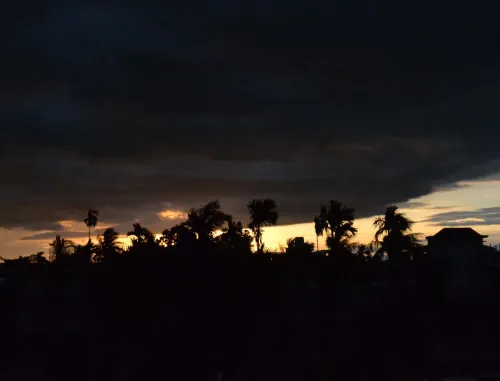
The monsoon's traditional arrival in Mumbai by 7 June was missed entirely this year. After advancing normally from Kerala to Karnataka in the first week of June, the monsoon's progress abruptly slowed after 6 June, leaving it marooned at the state's southern border. The editorial noted that even as the first half of the Mriga constellation draws to a close, there is no sign of rainfall across Maharashtra — a deeply inauspicious signal in the agricultural calendar.
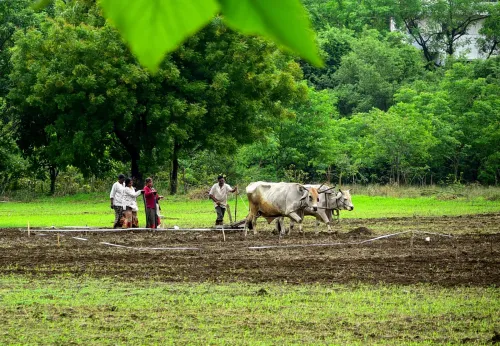
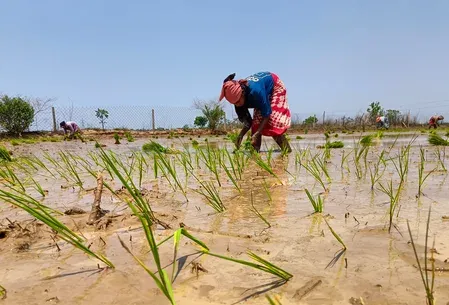
With no early monsoon rains, sowing activities have ground to a complete halt across the state. The editorial pointed out that even standard pre-monsoon agricultural preparations are absent from rural areas. The government has advised farmers not to begin sowing based on isolated or sporadic showers, urging them to wait until the soil retains consistent moisture across two to four heavy rain spells.
El Niño: Potentially the Strongest in 150 Years
The World Meteorological Organisation (WMO) had earlier warned of the activation of a hazardous El Niño weather pattern. According to the 'Saamana' editorial, experts now warn this could be the strongest El Niño effect witnessed in 150 years, driven by rising temperatures in the Pacific Ocean and the neutralisation of critical rainfall-triggering factors across the Arabian Sea, the Bay of Bengal, and the Indian Ocean. The WMO's forecast of prolonged delays and deficient seasonal rainfall is, the editorial argued, materialising with 'pinpoint accuracy.'
Dam Levels Hit Danger Zone
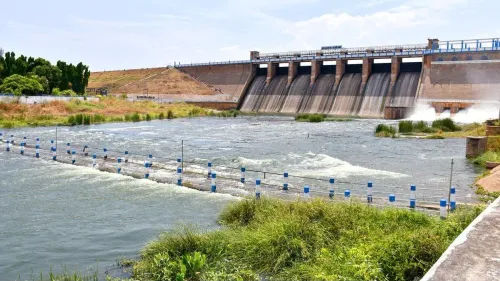
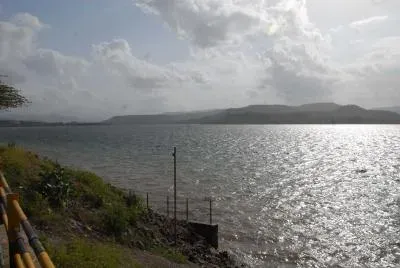
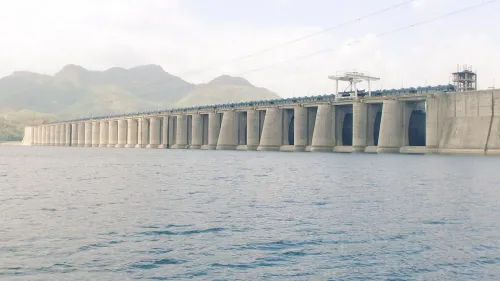
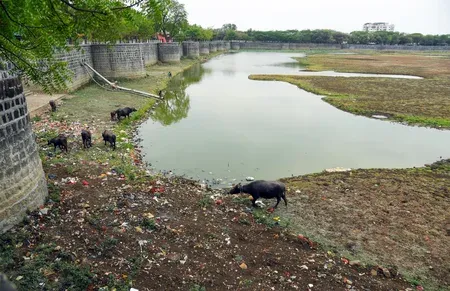
Water levels across Maharashtra's 3,028 small and large dams have plummeted to dangerous lows. Most critically, the seven major reservoirs supplying water to Mumbai are left with a mere 12.48 per cent of their total capacity. In response, the Water Resources Department of the Government of Maharashtra has suspended water supply for agricultural irrigation, reserving remaining stocks strictly for drinking purposes.
The state is also coming off one of its hottest summers in 40 to 50 years, according to the editorial. The prolonged heatwave has scorched agricultural land, dried up wells, and emptied countless lakes — compounding the stress on an already fragile water supply chain.
Political Warning and Call to Action
The Thackeray camp used the editorial to issue a direct call to action, urging farmers, citizens, and the government to prepare immediately for the impending crisis. Critics argue that the ruling dispensation has been slow to declare drought conditions despite mounting evidence on the ground. The editorial stopped short of directly blaming the government but underscored that early, coordinated intervention is essential to prevent the situation from spiralling further.
With the monsoon's progress uncertain and dam reserves at critically low levels, Maharashtra's agricultural communities face a race against time — and the next few weeks of weather data will determine whether this season tips into a full-scale drought declaration.
Point of View
But the data it cites is verifiable and alarming — 25% dam capacity statewide and 12.48% in Mumbai's key reservoirs are not numbers that allow for complacency. What the editorial does not address is the state government's own drought-preparedness infrastructure, which has historically been reactive rather than anticipatory. Maharashtra has declared drought conditions before, but the administrative machinery — from crop insurance disbursals to water-tanker logistics — has repeatedly lagged behind the declared emergency. If El Niño does deliver the deficient monsoon that the WMO projects, the real test will not be the weather forecast but the government's response time.
NationPress
19 Sept 2026
Frequently Asked Questions
Why is Maharashtra facing a drought threat in June 2024?
Maharashtra is facing a drought threat because the 2024 monsoon stalled at the Maharashtra-Goa border after 6 June, missing its traditional Mumbai arrival date of 7 June. This, combined with a potentially historic El Niño event and one of the hottest summers in 40–50 years, has left dam reserves at just 25% of capacity statewide.
How low are Maharashtra's dam and reservoir levels right now?
Water levels across Maharashtra's 3,028 small and large dams have fallen to 25% of total capacity. The seven major reservoirs supplying Mumbai are at a more critical 12.48% of their total capacity, prompting the state's Water Resources Department to suspend agricultural water supply.
What is El Niño and why does it matter for Maharashtra's rainfall?
El Niño is a periodic warming of Pacific Ocean surface temperatures that disrupts global weather patterns, typically causing deficient monsoon rainfall over India. Experts cited in the 'Saamana' editorial warn this year's El Niño could be the strongest in 150 years, with neutral conditions across the Arabian Sea, Bay of Bengal, and Indian Ocean further reducing Maharashtra's chances of timely or adequate rainfall.
What has the Maharashtra government advised farmers to do?
The Maharashtra government has advised farmers not to rush into sowing based on isolated or sporadic showers. Officials have urged farmers to wait until the soil retains sufficient and consistent moisture — typically after two to four heavy rain spells — to avoid the financial loss of double-sowing.
What did Shiv Sena (UBT) say about the drought situation in 'Saamana'?
The Shiv Sena (Uddhav Balasaheb Thackeray) editorial in 'Saamana' on 15 June warned that Maharashtra is on the brink of a severe drought, citing stalled monsoon progress, collapsed dam levels, and a historically powerful El Niño. The party called on farmers, citizens, and the government to mobilise immediately to combat the impending crisis.