Maharashtra Kharif sowing at 59% after July rains, trails last year's 82%
Synopsis
Maharashtra's Kharif sowing jumped from 28% to 59% in under two weeks after the July monsoon revival — but the state is still 23 percentage points behind last year's pace. With Konkan farmers forced to re-sow rice nurseries and dry-land credit drying up, the government is racing to deploy farm ponds, insurance payouts, and seed supplies before the window closes.
Key Takeaways
Maharashtra recorded Kharif sowing across 84.61 lakh hectares — 59% of average area — by 12 July .
Progress trails last year's 82% (approximately 1.18 crore hectares ) for the same period; the state agriculture department cites El Niño .
Amravati division leads at 81% sowing; Konkan , Pune , and Kolhapur are lagging.
Rice nurseries in Konkan had to be re-sown after June seedlings withered; transplantation expected to pick up only in the latter half of July .
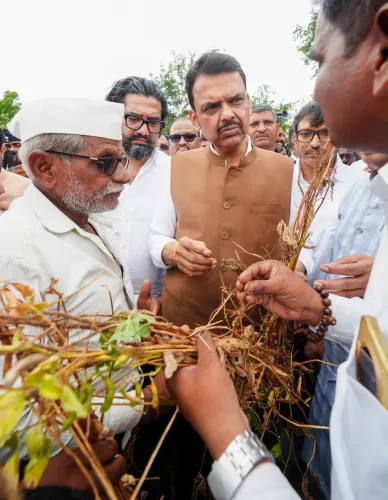
Agriculture Minister Dattatray Bharane has directed officials to prioritise farm pond materials, crop insurance evaluations ( panchnamas ), and seed and fertiliser supplies.
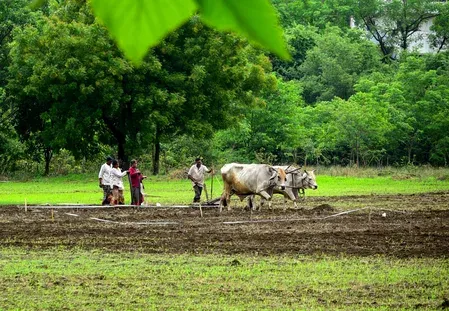
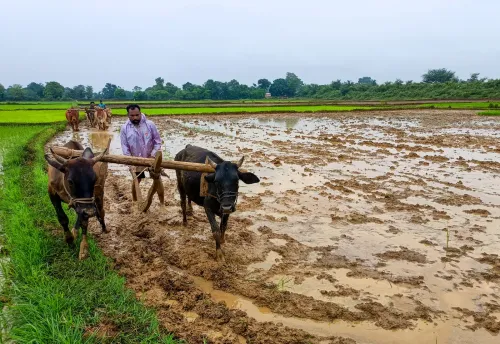
Maharashtra's Kharif sowing reached 84.61 lakh hectares — covering 59 per cent of the state's average Kharif area — by 12 July, following a monsoon revival in the first week of the month. The figure, while a sharp improvement over the 28 per cent recorded at the start of July, still lags significantly behind the same period last year, when 82 per cent (approximately 1.18 crore hectares) had been sown. The state agriculture department has attributed the gap to the lingering El Niño effect.
Regional Breakdown
Progress has been uneven across the state. The Amravati division in Vidarbha leads with sowing completed on 81 per cent of its average area. Chhatrapati Sambhaji Nagar follows at 65 per cent, with Latur at 63 per cent, Nashik at 56 per cent, and Nagpur at 53 per cent. In contrast, the Konkan, Pune, and Kolhapur divisions are trailing behind expected levels.
Konkan's Rice Transplantation Crisis
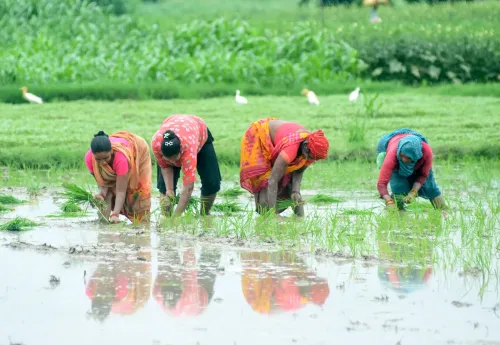
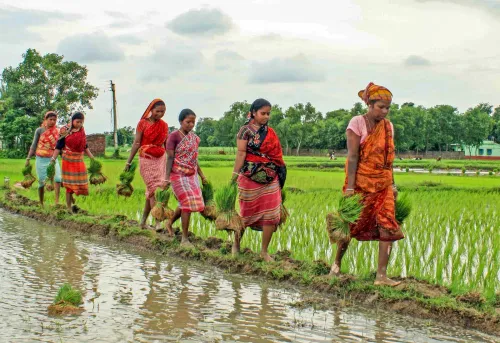
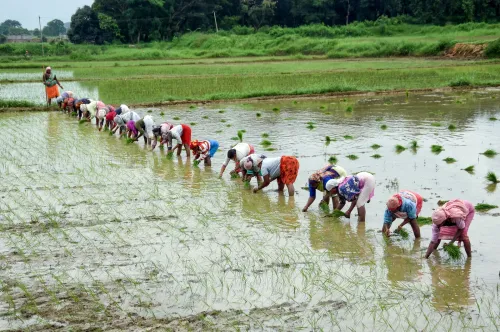
The coastal Konkan region has been particularly hard hit. Rice seedlings sown in the first week of June withered after the monsoon retreated prematurely, forcing farmers to re-sow nurseries once rains returned in July. Rafik Naikwadi, Director of the Agriculture Department, said the sowing percentage in Konkan will remain depressed until the new seedlings mature and become ready for transplantation — a process expected to gain momentum only in the latter half of July.
What the Government Said
Agriculture Minister Dattatray Bharane urged farmers in lagging divisions not to rush sowing operations. He cautioned that premature sowing during isolated early showers puts crops at severe risk if followed by extended dry spells. The department is advising farmers to pivot toward climate-resilient, low-water-consuming crops to cushion against erratic rainfall patterns.
Minister Bharane also directed officials to fast-track the availability of plastic lining sheets for farm ponds, emphasising rainwater storage as a critical buffer. 'The administration is operating under directives to plan resource distribution, fodder availability, and drinking water management, keeping the upcoming seasons in view, treating prolonged dry spells as an immediate challenge,' he said.
Relief and Support Measures
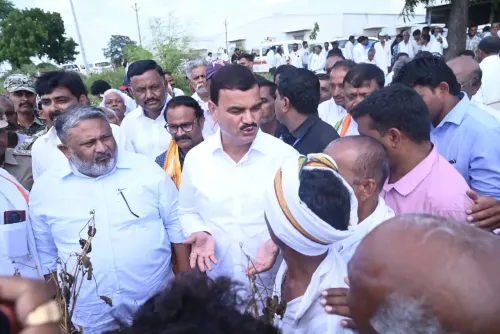
Responding to rural distress triggered by inadequate rainfall and crop damage, the minister confirmed that the government is accelerating crop insurance evaluations (panchnamas) and finalising logistics for major financial support initiatives to ease a severe credit crunch among dry-land farmers. District and municipal officials have been instructed to maintain adequate supplies of quality seeds and fertilisers, ensuring no shortages when sustained rainfall finally permits late-stage sowing.
With the monsoon now more active, the state's sowing trajectory is expected to improve through the rest of July, though closing the gap with last year's pace will depend heavily on sustained and well-distributed rainfall across deficit divisions.
Point of View
Where June nurseries were lost entirely, illustrates how a single dry break can erase weeks of farmer effort and capital. The government's pivot to farm ponds and climate-resilient crops is directionally correct, but accelerating panchnamas and seed supply chains will matter far more to dry-land farmers facing a credit crunch than any advisory on crop choice. The real risk is that if the monsoon falters again in late July, the 59% figure could stall — and the political and humanitarian fallout in Marathwada and Vidarbha would be severe.
NationPress
12 Oct 2026
Frequently Asked Questions
What is the current status of Kharif sowing in Maharashtra?
As of 12 July, Maharashtra has completed Kharif sowing across 84.61 lakh hectares, covering 59 per cent of the state's average Kharif area. This is a significant improvement from the 28 per cent recorded at the start of July, driven by a monsoon revival in the first week of the month.
Why is Maharashtra's Kharif sowing behind last year?
The state agriculture department has attributed the lag to the El Niño effect, which caused a prolonged dry spell through June. By the same date last year, 82 per cent of the Kharif area — approximately 1.18 crore hectares — had already been sown.
Which regions in Maharashtra are leading and which are lagging in sowing?
The Amravati division in Vidarbha leads with 81 per cent of its average area sown, followed by Chhatrapati Sambhaji Nagar at 65 per cent, Latur at 63 per cent, Nashik at 56 per cent, and Nagpur at 53 per cent. The Konkan, Pune, and Kolhapur divisions are currently below expected sowing levels.
Why is rice transplantation in Konkan delayed?
Rice seedlings sown in the first week of June withered after the monsoon retreated prematurely, forcing farmers to re-sow nurseries once rains returned in July. Agriculture Department Director Rafik Naikwadi said sowing percentages in Konkan will remain low until the new seedlings mature, with transplantation expected to pick up only in the latter half of July.
What relief measures is the Maharashtra government providing to affected farmers?
Agriculture Minister Dattatray Bharane has directed officials to fast-track crop insurance evaluations (panchnamas), ensure adequate seed and fertiliser supplies, and prioritise the distribution of plastic lining sheets for farm ponds to maximise rainwater storage. The government is also finalising financial support initiatives to address the credit crunch among dry-land farmers.