Maharashtra mandates 10% water cut from Oct 16 amid El Niño deficit
Synopsis
Maharashtra has imposed a state-wide 10% mandatory water cut from 16 October, with drought already declared in 265 talukas and reserves being rationed all the way through August 2027. The scale of the response — spanning urban cuts, industrial recycling mandates, farm irrigation sequencing, and a 12-point farmer relief package — signals that the El Niño impact on India's most industrialised state is deeper than headline rainfall figures suggest.
Key Takeaways
Maharashtra has mandated a 10% water cut for all Urban Local Bodies effective 16 October 2026 .
Drought has been declared in 265 talukas following activation of 'Trigger-1' during the kharif season.
Water allocation planning extends through 31 August 2027 , accounting for evaporation, siltation and unauthorised extraction.
Industrial clusters must recycle and reuse at least 30% of total water consumption.
A 12-point relief package has been extended to affected talukas, including loan restructuring, land revenue waiver, and MGNREGA norm relaxation.
Joint Revenue-Police-Water Resources squads will patrol dams, rivers, and canals with powers to seize illegal pumps.
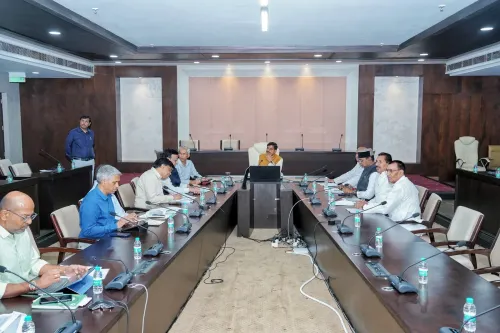
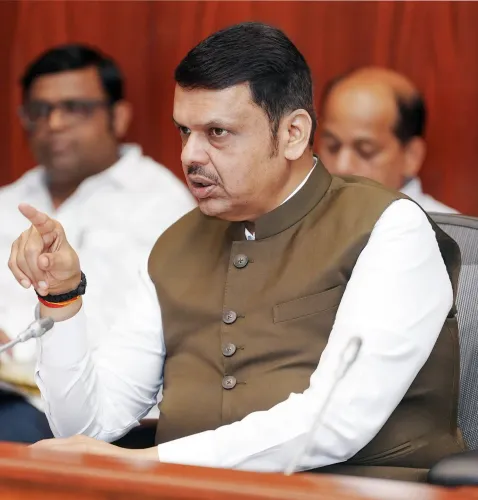
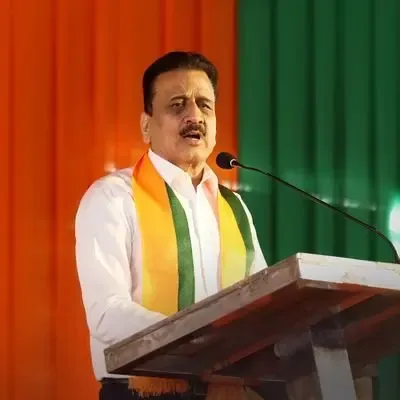
Maharashtra has ordered a mandatory 10 per cent water cut across all urban and rural local bodies, effective 16 October 2026, as the state grapples with a rainfall deficit linked to the ongoing El Niño phenomenon. Water Resources Minister Girish Mahajan announced the directive on Monday, 5 October, framing it as a proactive measure to stretch available reserves through 31 August 2027.
Why the Cut Was Ordered
The decision follows micro-level reservoir and consumption planning by the Water Resources Department, which flagged the risk of acute shortages ahead of the summer season. Drought conditions have already been declared in 265 talukas following the activation of 'Trigger-1' during the kharif season — a formal threshold that triggers emergency protocols under Maharashtra's water scarcity framework. This is the second consecutive year in which El Niño-linked deficits have forced the state to activate pre-monsoon conservation orders.
Key Directives from the Minister
All Municipal Corporations, Municipal Councils, and Gram Panchayats have been directed to enforce the reduction from 16 October. A mandatory 10 per cent emergency buffer reserve will be maintained in every dam, with dead storage to undergo technical evaluation and be tapped only under extreme conditions. Minister Mahajan stated: 'Drinking water remains the highest priority. Water allocation calculations account for evaporation losses, siltation and unauthorised extraction through August 31, 2027.'
Local bodies have additionally been instructed to plug leakages and run Sewage Treatment Plants (STPs) at maximum capacity. Treated wastewater must be reused exclusively for gardening, construction, and washing purposes.
Agriculture and Industry: What Changes
Agricultural irrigation will receive remaining water only after meeting human, livestock, and fodder needs. Irrigation supply will prioritise rabi cereal and fodder crops; approval for perennial crops will be granted only if surplus reserves are available. Micro-irrigation and water-saving methods will be strongly promoted across the farm sector.
Industrial clusters have been directed to recycle and reuse a minimum of 30 per cent of their total water consumption — a mandate that affects manufacturing hubs across the state's water-stressed districts.
Enforcement and Monitoring
Joint monitoring squads comprising officials from the Revenue, Police, and Water Resources Department will conduct regular patrols along dams, rivers, and canals. Strict legal action, including the immediate seizure of illegal pumps and equipment, will be taken against offenders. Notably, the government has also issued strict directions against disconnecting power supply to agricultural pumps in scarcity-hit villages.
Relief Package for Drought-Hit Farmers
In a parallel measure, the state government has extended a 12-point relief and concessions package for the 265 affected talukas. Key elements include a full waiver of land revenue for affected farmers, restructuring of existing agricultural loans, and an immediate stay on recovery of agriculture-related bank loans. Exemptions on electricity bills have been announced for agricultural pumps above 7.5 HP capacity, while pumps up to 7.5 HP are already exempt.
Additional relief measures cover waiver of examination fees for school and college students in affected areas, relaxation of work norms under the Mahatma Gandhi National Rural Employment Guarantee Act (MGNREGA) to maximise employment generation, deployment of water tankers wherever drinking water shortages occur, and steps to ensure adequate availability of cattle fodder. Comprehensive planning for drinking water and livestock needs is also underway.
With the summer peak still months away, how strictly local bodies enforce the mandatory cut — and whether industrial compliance holds — will determine whether Maharashtra averts a severe water crisis by mid-2027.
Point of View
Which most Maharashtra ULBs lack. The bigger accountability question is whether the 12-point farmer relief package — politically generous — is matched by equally rigorous demand-side discipline on irrigation, where agricultural use remains the state's largest water draw.
NationPress
5 Oct 2026
Frequently Asked Questions
Why has Maharashtra ordered a 10% water cut from October 2026?
Maharashtra has imposed the mandatory cut due to a rainfall deficit caused by the persistent El Niño phenomenon, which has left reservoirs below safe levels. The government is managing water reserves to last through 31 August 2027, ahead of the next monsoon season.
Which areas and bodies must comply with the water cut?
All Municipal Corporations, Municipal Councils, and Gram Panchayats across Maharashtra must enforce the 10% reduction from 16 October 2026. Drought conditions have already been formally declared in 265 talukas statewide.
What relief has Maharashtra offered to drought-affected farmers?
The state has announced a 12-point relief and concessions package for the 265 affected talukas. It includes a full waiver of land revenue, restructuring of agricultural loans, a stay on bank loan recovery, electricity bill exemptions for pumps above 7.5 HP, MGNREGA norm relaxation, and deployment of water tankers.
What are the rules for industrial water use under the new order?
Industrial clusters across Maharashtra have been directed to recycle and reuse a minimum of 30% of their total water consumption. Joint monitoring squads will patrol water sources, and illegal pumps will be seized.
How will agricultural irrigation be prioritised during the shortage?
Irrigation water will be released only after human, livestock, and fodder needs are met. Priority will go to rabi cereal and fodder crops, followed by other rabi crops, with perennial crop approvals granted only if surplus reserves remain. Micro-irrigation methods will be strongly promoted.