Maharashtra orders 100 water pits per village in 304 drought-hit talukas
Synopsis
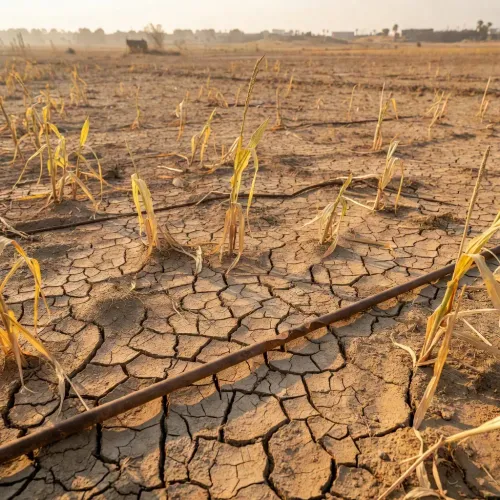
Maharashtra has ordered at least 100 water absorption pits in every village across 304 drought-hit talukas — a sweeping directive that goes beyond immediate relief to rebuild the state's water infrastructure from the ground up, even as a state-level task force braces for a possible El Niño compounding the crisis.
Key Takeaways
The Maharashtra government issued a GR on 26 October 2026 ordering soil and water conservation works across 304 drought-hit talukas .
At least 100 water absorption pits must be constructed in every village in the affected areas.
Works include desilting water bodies, repairing Kolhapur-type weirs , installing check dam gates, and building rainwater harvesting systems.
Funding will draw from Jal Yukta Shivar Abhiyan 2.0 , PMKSY watershed funds, MGNREGS, and MP/MLA/MLC local area funds, among others.
District collectors can clear repair works under ₹25 lakh independently, subject to a 20% ceiling on financial norms.
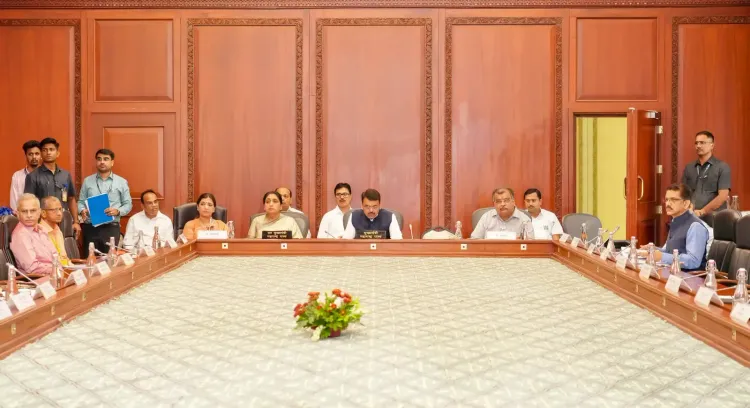
A state-level task force under the Chief Secretary has been formed to coordinate efforts amid potential El Niño impact.
The Maharashtra government on Monday, 26 October 2026, directed district authorities to undertake comprehensive soil and water conservation works across 304 talukas where drought triggers were activated during the 2026 kharif season. The directive mandates construction of at least 100 water absorption pits in every village, alongside desilting of water bodies and repair of check dams, as the state moves to shore up crumbling water infrastructure in its most drought-vulnerable regions.
What the Government Resolution Mandates
A Government Resolution (GR) issued by the Soil and Water Conservation Department outlines a multi-pronged approach to address water scarcity caused by inadequate rainfall during the kharif season. Field officials have been directed to complete ongoing and incomplete works under existing departmental schemes, and to repair damaged soil and water conservation structures across the affected tehsils.
The GR specifically mandates the installation of gates or planks on weirs and check dams to retain water, with periodic inspections to ensure compliance. Authorities must also repair damaged Kolhapur-type weirs by installing needles, remove silt from water storage structures, and deepen and widen streams in villages across the affected areas. Construction of sandbag check dams, temporary earthen check dams, and recharge shafts at stream-deepening sites, dams, and ponds has also been ordered.
Key Interventions and Infrastructure Measures
Beyond structural repairs, the government has asked officials to install rainwater harvesting systems in both government and private buildings across the drought-affected zones. The GR also calls for the effective implementation of conservation works undertaken through voluntary organisations, including Paani Foundation, Naam Foundation, Tata Trusts, and Chandra Foundation.
Field officials have been directed to prioritise repair works based on updated information available on the JalDarpan app, a digital platform that records structures requiring maintenance. District collectors have been granted authority to approve eligible repair works costing less than ₹25 lakh, subject to prescribed financial norms and a ceiling of 20 per cent of applicable financial standards.
Funding Sources Identified
The government has identified multiple funding streams to finance the conservation drive. These include the Jal Yukta Shivar Abhiyan 2.0, the watershed development component of the Pradhan Mantri Krishi Sinchayee Yojana 2.0, district planning committee funds, special component schemes, Scheduled Caste and Scheduled Tribe sub-plans, Tanda development schemes, and the Mineral Development Fund. Funds from MPs', MLAs', and MLCs' local area development budgets, corporate social responsibility contributions, and allocations under the Mahatma Gandhi National Rural Employment Guarantee scheme have also been earmarked.
Background and State-Level Response
The GR follows the state government's earlier decisions to formally declare drought and extend relief measures across the 304 tehsils where both Trigger-1 and Trigger-2 thresholds were breached during the 2026 kharif season. These measures are in addition to 12 mitigation steps already initiated by the state to tackle the drought. Notably, the government has also constituted a state-level task force under the Chief Secretary to coordinate water conservation efforts, given the possibility of an El Niño impact compounding the situation in the months ahead.
This coordinated push signals that Maharashtra is bracing for a prolonged dry spell, with the administration's immediate focus shifting from relief distribution to building long-term water resilience at the village level.
Point of View
Recharge shafts, desilted streams — rather than defaulting to cash relief alone, which has historically provided temporary respite without addressing chronic water scarcity. However, mandating 100 pits per village across 304 talukas is an enormous logistical undertaking, and the state's track record on completing rural infrastructure within declared timelines is mixed. The reliance on a patchwork of funding sources, from CSR to MLA funds, also raises questions about coordination and accountability. The formation of a Chief Secretary-level task force is a positive signal, but the real test will be field-level execution before the next kharif cycle begins.
NationPress
26 Oct 2026
Frequently Asked Questions
Why has Maharashtra issued the water conservation directive for 304 talukas?
The Maharashtra government issued the directive because drought triggers — Trigger-1 and Trigger-2 — were activated in 304 talukas during the 2026 kharif season due to inadequate rainfall. The GR aims to address immediate water scarcity and strengthen long-term conservation infrastructure across the affected areas.
What is the 100 water absorption pits order in Maharashtra?
The government has mandated that at least 100 water absorption pits be constructed in every village across the 304 drought-affected talukas. These pits are designed to capture rainwater and improve groundwater recharge, and are part of a broader soil and water conservation package that also includes check dam repairs and desilting of water bodies.
How will Maharashtra fund the drought water conservation works?
Multiple funding sources have been identified, including Jal Yukta Shivar Abhiyan 2.0, the PMKSY watershed development component 2.0, district planning committee funds, MGNREGS, and contributions from MPs', MLAs', and MLCs' funds as well as corporate social responsibility budgets. District collectors can approve works costing less than ₹25 lakh independently.
What role does the JalDarpan app play in Maharashtra's drought response?
The JalDarpan app is a digital platform used by field officials to identify and prioritise water conservation structures that need repair. The GR directs authorities to base their repair plans on data available on the app, ensuring maintenance efforts are guided by verified, updated information rather than ad hoc assessments.
What is the El Niño concern linked to Maharashtra's drought task force?
The Maharashtra government has constituted a state-level task force under the Chief Secretary to coordinate water conservation efforts, partly in anticipation of a possible El Niño impact. El Niño weather patterns are associated with below-normal monsoon rainfall in India, which could exacerbate the existing drought conditions in the affected talukas.