How Did India's Forex Reserves Surge by $392 Million to $687 Billion?
Synopsis
India's foreign exchange reserves have seen a significant increase recently, showcasing the nation's economic resilience. This rise is attributed to various factors including a surge in gold prices. Understanding the implications of these reserves is essential for the economic landscape.
Key Takeaways
India's foreign exchange reserves increased by $392 million.
Current reserves stand at $687 billion.
Gold reserves rose by $1.56 billion.
Foreign Currency Assets decreased by $1.12 billion.
RBI plays a crucial role in managing these reserves.
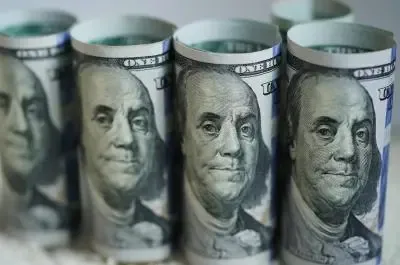
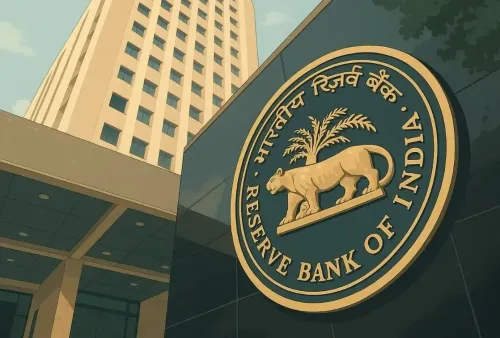
New Delhi, Jan 16 (NationPress) India's foreign exchange reserves experienced an uptick of $392 million, reaching $687 billion for the week ending January 9, as reported by the Reserve Bank of India (RBI) on Friday.
The central bank highlighted that the value of gold reserves, a significant element of the foreign exchange reserves, rose by $1.56 billion to $112.83 billion during the same week.
A contributing factor to this increase in gold reserves is the notable rise in gold prices. International gold prices surged by approximately 2.5 percent over the past week and have increased by about 5.5 percent in the last month.
Meanwhile, the value of Foreign Currency Assets (FCA), which is the largest segment of the foreign exchange reserves, saw a decline of $1.12 billion, settling at $550.86 billion. FCA includes not just the dollar but also other significant global currencies such as the yen, euro, and pound, all valued in dollars.
As per the RBI, the value of Special Drawing Rights (SDRs) dipped by $39 million to $18.73 billion in the week that ended January 9. Additionally, the reserve position in the IMF decreased by $13 million to $4.758 billion.
Foreign exchange reserves are crucial for any nation as they reflect the overall economic health and play a vital role in stabilizing the exchange rate.
For instance, if the rupee faces downward pressure against the dollar, the central bank can utilize its foreign exchange reserves to mitigate further depreciation and uphold exchange rate stability.
A rise in foreign exchange reserves signals a robust inflow of dollars into the nation, thereby bolstering the economy. Additionally, increased reserves facilitate international trade.
Point of View
The increase in India's foreign exchange reserves is a positive indicator of economic stability and growth. It reflects the country's ability to manage international trade effectively and maintain exchange rate stability, which is crucial for overall economic health.
NationPress
19 Sept 2026
Frequently Asked Questions
What caused the increase in India's foreign exchange reserves?
The rise is mainly due to an increase in gold reserves, which saw a value increase resulting from a surge in international gold prices.
How do foreign exchange reserves impact the economy?
Foreign exchange reserves are essential for stabilizing the exchange rate and facilitating international trade, reflecting the economic condition of a country.
What are Foreign Currency Assets?
Foreign Currency Assets are the largest component of foreign exchange reserves and include currencies such as the dollar, yen, euro, and pound.