Is Putin’s Arrogance Jeopardizing Russia’s Interests and Strengthening Ties with China a Strategic Gamble?
Synopsis
Poland's Deputy PM Radosław Sikorski sharply criticizes Putin's arrogance, highlighting its detrimental impact on Russia's position in the global arena and the risks associated with deepening ties with China. The ongoing conflict in Ukraine poses significant challenges for Europe and questions international security commitments, making this a crucial moment for global geopolitics.
Key Takeaways
Putin's arrogance is reshaping global geopolitics.
Poland is heavily impacted by the Ukrainian refugee crisis .
Russia's ties with China could weaken its strategic position .
Questions arise about international security commitments.
European nations must bolster their own defense capabilities .
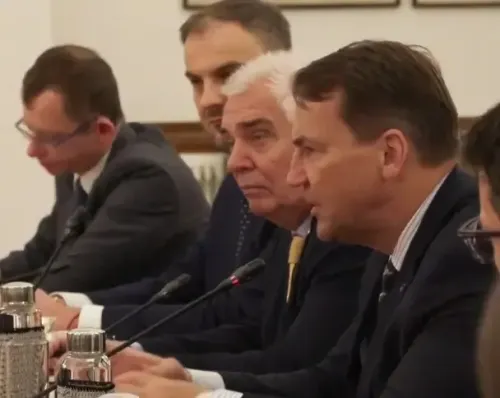
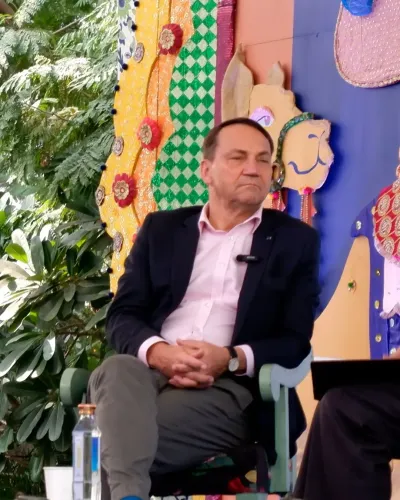
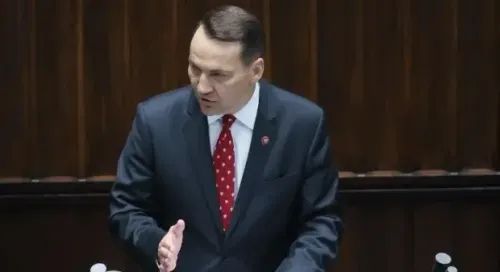
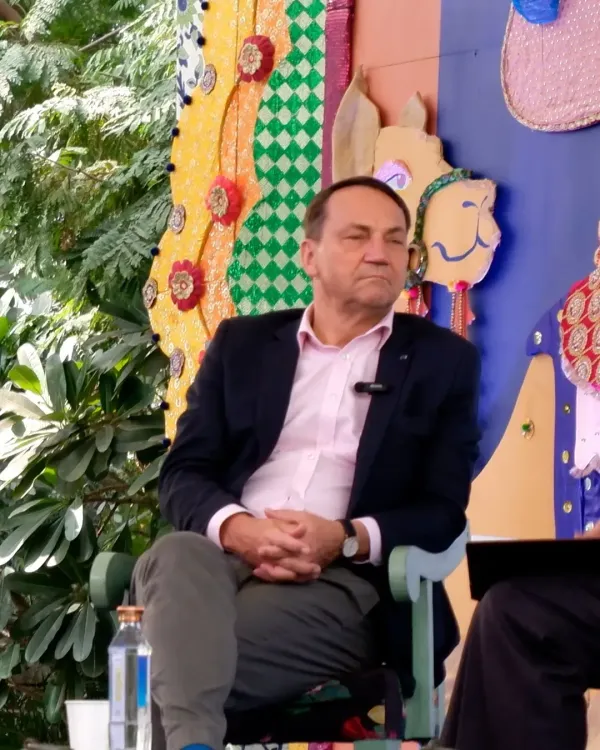
Jaipur, Jan 18 (NationPress) Poland’s Deputy Prime Minister and Foreign Minister Radosław Sikorski issued a pointed critique of Russian President Vladimir Putin on Sunday, asserting that his arrogance and ego-centric policies have thrust Russia into a protracted conflict that is altering global geopolitics and causing instability in Europe.
At the Jaipur Literature Festival (JLF), during the session titled ‘A Continent in Crisis: Russia, Ukraine and the European Story,’ Sikorski emphasized that Putin’s attack on Ukraine has had widespread repercussions, affecting not only the region but the entire globe.
“Arrogance is a fleeting trait,” he commented, adding that such policies generally undermine nations instead of bolstering them. As a direct neighbor to Ukraine, Poland has been tangibly impacted by the ongoing war, Sikorski noted.
Millions of Ukrainian refugees have sought refuge in Poland, significantly burdening its economy and social systems. “We have invested substantially in housing, food, healthcare, and education for refugees, yet Poland maintains its support for Ukraine on humanitarian grounds,” he stated.
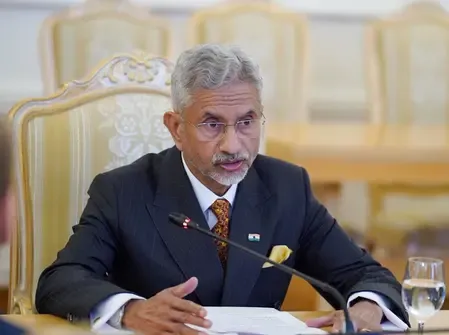
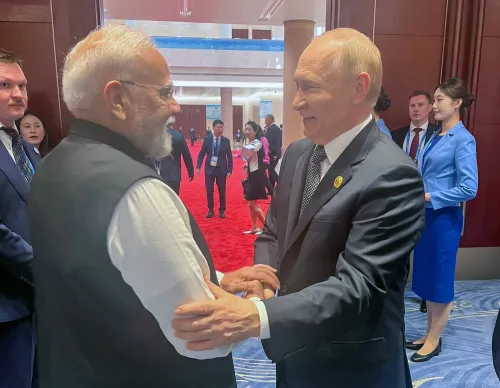
Sikorski cautioned that Russia's increasing ties with China could jeopardize Moscow's long-term interests. He warned that Russia is becoming more economically reliant on China, spending its national wealth on Chinese products and granting Beijing potential political leverage.
“This dependency could strategically weaken Russia,” he cautioned. He highlighted concerns regarding global security guarantees, recalling that Ukraine relinquished the world’s third-largest nuclear arsenal under the 1994 Budapest Memorandum in exchange for promises of territorial integrity.
“Today, those borders have been breached. This raises grave questions about international trust and security commitments,” he remarked.
On the matter of European security, the Polish Deputy Prime Minister asserted that Europe can no longer depend solely on the United States. He pointed out that US-Europe relations have historically been inconsistent and emphasized the necessity for European nations to enhance their own defense capabilities. He mentioned that Poland was among the first countries to supply Ukraine with fighter jets and military aid.
Critiquing Putin’s military approach, Sikorski noted that the Russian President anticipated the invasion would be a “three-day special operation,” yet the conflict has dragged on for years, costing Russia billions of dollars and countless lives.
“Ukraine has endured tremendous human and economic losses, yet continues to defend its freedom and culture,” he urged, encouraging Ukrainians to stay resolute.
The session drew a large audience, showcasing significant global interest in the evolving European crisis and its broader geopolitical consequences.
Point of View
I recognize the significance of Radosław Sikorski's insights regarding the ongoing conflict in Ukraine and Russia's strategic decisions. The implications of Putin's policies extend beyond regional boundaries, affecting global stability and security. It is imperative that we continue to monitor these developments closely, as they shape the future of international relations.
NationPress
30 Sept 2026
Frequently Asked Questions
What did Radosław Sikorski say about Putin's policies?
Sikorski criticized Putin's arrogance, stating it has led Russia into a prolonged conflict that destabilizes Europe and alters global geopolitics.
How has the war in Ukraine affected Poland?
Poland has taken in millions of Ukrainian refugees, which has put significant pressure on its economy and social infrastructure.
What are the implications of Russia's ties with China?
Sikorski warned that Russia's growing dependence on China could weaken its strategic position and grant China political leverage.
What historical event did Sikorski reference regarding Ukraine's nuclear arsenal?
He referred to the 1994 Budapest Memorandum, under which Ukraine gave up its nuclear arsenal in return for assurances of territorial integrity.
What did Sikorski suggest about European security?
He emphasized that Europe should not fully rely on the United States and must enhance its own defense capabilities.