India's gold imports crash 57.7% to $2.3 bn in August as exports surge 26.1%
Synopsis
India's gold imports collapsed 57.7% to $2.3 billion in August — less than half of July's $4.16 billion — as elevated global prices and PM Modi's public appeals to curb purchases took hold. Meanwhile, a 26.1% export surge trimmed the trade deficit to $26.9 billion, its lowest in months, offering the beleaguered rupee a measure of relief.
Key Takeaways
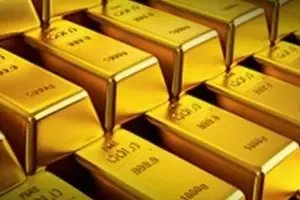
India's gold imports fell 57.7 per cent year on year to $2.3 billion in August 2026 , down from $4.16 billion in July.
Overall merchandise imports rose 14.1 per cent to $70.67 billion , driven by manufacturing inputs and higher energy prices.
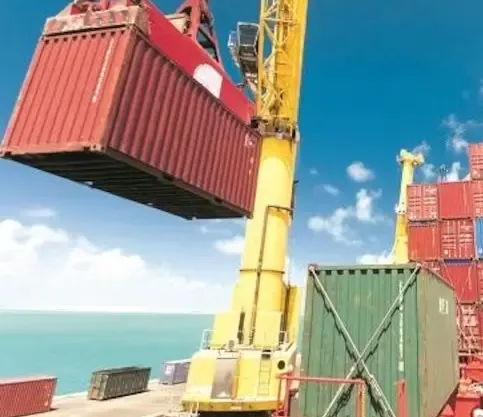
Merchandise exports surged 26.1 per cent to $43.81 billion , supported by engineering goods , petroleum products , chemicals , and textiles .
India's trade deficit narrowed to $26.9 billion in August, down from $31.98 billion in July.
PM Modi called the trade performance a 'herculean feat' and urged citizens to curb gold purchases and foreign travel to conserve foreign exchange.
Commerce Secretary Rajesh Agrawal cited strong demand from the US , EU , and emerging markets as key export drivers.
India's gold imports plunged 57.7 per cent year on year to $2.3 billion in August 2026, even as overall merchandise imports climbed 14.1 per cent to $70.67 billion, according to government data released on Tuesday, 15 September 2026. The sharp decline in inbound gold shipments helped narrow India's trade deficit to its lowest level in recent months.
Trade Deficit Narrows Sharply
India's trade deficit contracted to $26.9 billion in August, down from $31.98 billion in July, as merchandise exports surged 26.1 per cent on an annual basis to $43.81 billion. The narrowing deficit could provide some relief to the rupee, which has been under pressure for much of this year. Gold imports alone had stood at $4.16 billion in July, making the August decline all the more stark.
What Drove the Export Surge
The export performance was described as broad-based, with engineering goods, petroleum products, chemicals, and textiles among the key growth drivers. Strong demand from the United States, the European Union, and emerging markets underpinned the surge, Commerce Secretary Rajesh Agrawal said. Prime Minister Narendra Modi characterised the trade performance as a 'herculean feat' achieved despite oil shocks, supply-chain disruptions, and broader global uncertainty.
Why Gold Imports Fell
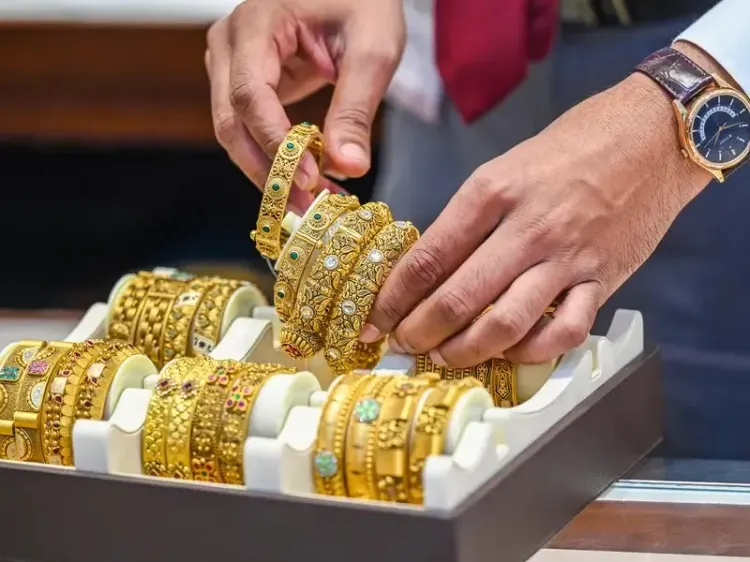
The steep drop in gold imports has been attributed to two converging factors: elevated global gold prices, which have made large-scale purchases costlier, and repeated public appeals by Prime Minister Modi urging citizens to curb gold purchases in order to contain India's import bill. Modi has also called on Indians to moderate foreign travel and wedding expenditure — discretionary categories that consume foreign exchange — as the country navigates a rapid growth phase that demands hard currency for energy and technology imports, including precision machines, CPUs, GPUs, and advanced software.
Imports Rise on Manufacturing and Energy Demand
The uptick in overall merchandise imports was supported by robust domestic economic activity and rising demand for manufacturing inputs, with higher energy prices also adding to the import bill. This comes amid a broader pattern in which India's faster economic growth increases its dependence on both energy and advanced technology inputs — a structural dynamic that makes foreign exchange management a priority for policymakers.
What to Watch Next
With the trade deficit narrowing and exports showing broad-based momentum, analysts will track whether the gold import restraint is sustained in coming months or whether pent-up demand reasserts itself as wedding and festive seasons approach. The rupee's trajectory and global commodity prices will remain key variables in shaping India's external account in the months ahead.
Point of View
But the more significant question is whether it is structural or cyclical. High global prices and PM Modi's public appeals may have temporarily suppressed demand, yet India's festive and wedding seasons historically trigger demand rebounds regardless of price signals. If pent-up buying returns in October and November, the trade deficit relief could prove short-lived. More broadly, the 26.1% export surge is genuinely impressive — but sustaining it will require more than favourable base effects; it demands that India diversify its export basket beyond petroleum and engineering goods into higher-value sectors where margins and demand are more resilient.
NationPress
15 Sept 2026
Frequently Asked Questions
Why did India's gold imports fall so sharply in August 2026?
India's gold imports fell 57.7% year on year to $2.3 billion in August 2026, driven by elevated global gold prices that made large-scale purchases costlier and by PM Modi's repeated public appeals urging citizens to curb gold buying to preserve foreign exchange. Inbound shipments had stood at $4.16 billion in July.
What happened to India's trade deficit in August 2026?
India's trade deficit narrowed to $26.9 billion in August 2026, down from $31.98 billion in July. The improvement was driven by a 26.1% annual surge in merchandise exports alongside the sharp fall in gold imports.
Which sectors drove India's export surge in August?
The export growth was broad-based, with engineering goods, petroleum products, chemicals, and textiles among the leading contributors. Commerce Secretary Rajesh Agrawal attributed the surge to strong demand from the United States, the European Union, and emerging markets.
What did PM Modi say about India's August trade performance?
PM Modi described the trade performance as a 'herculean feat' achieved despite oil price shocks, supply-chain disruptions, and global uncertainty. He also appealed to citizens to reduce gold purchases, foreign travel, and lavish wedding spending to help conserve the foreign exchange India needs during its rapid growth phase.
How could the narrowing trade deficit affect the rupee?
A smaller trade deficit reduces the demand for foreign currency to pay for imports, which can ease downward pressure on the rupee. The currency has been relatively weak this year, and the August improvement in the trade account could offer modest relief, though sustained benefit would require the trend to hold over coming months.