NHRC issues notice to Rajasthan CS over woman beaten, paraded semi-nude in Banswara
Synopsis
India's apex human rights body has stepped in after a video showed a woman in Rajasthan's Banswara being beaten and paraded semi-nude — allegedly by her own husband and relatives. The NHRC's suo motu notice to the Rajasthan Chief Secretary and Banswara SP puts the state on a two-week clock to explain its investigation and any victim compensation.
Key Takeaways
The NHRC has taken suo motu cognisance of reports of a woman allegedly beaten and paraded semi-nude in Banswara, Rajasthan on 1 September 2026 .
Notices have been sent to the Rajasthan Chief Secretary and Superintendent of Police, Banswara , seeking a response within two weeks .
The woman's hair was reportedly forcibly cut and she was humiliated in public by her husband and other relatives over allegations she had left home with another man.
The incident came to light after a video surfaced on social media ; media coverage of the event appeared on 4 September 2026 .
The NHRC has the power to act suo motu without a formal complaint under the Protection of Human Rights Act, 1993 .
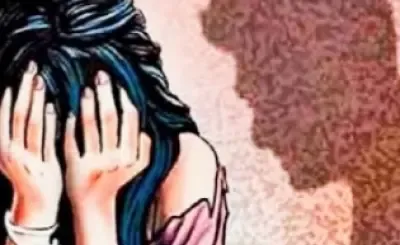
The National Human Rights Commission (NHRC) has taken suo motu cognisance of media reports describing the alleged assault and public humiliation of a woman in Banswara district, Rajasthan, where she was reportedly beaten with sticks and paraded semi-nude after her hair was forcibly cut by her husband and other relatives. The rights body has issued notices to the Chief Secretary of Rajasthan and the Superintendent of Police, Banswara, demanding a detailed report within two weeks.
What the Incident Involved
According to reports, the incident allegedly took place on 1 September 2026, in Banswara, and came to public attention after a video circulated on social media. The woman was reportedly subjected to this treatment amid allegations by her husband and relatives that she had left home with another man.
The NHRC noted that the woman was subjected to cruelty and inhuman treatment in full public view — acts that, if confirmed, amount to a grave violation of her rights to life and dignity under the Constitution of India and international human rights covenants.
NHRC's Response and Demands
Acting on media coverage dated 4 September 2026, the apex human rights body invoked its power to take suo motu action without a formal complaint. The notices sent to the Rajasthan Chief Secretary and the SP, Banswara require the authorities to furnish the current status of the investigation and details of any compensation paid or offered to the victim, within a fortnight.
The NHRC observed that the reported conduct raises serious issues of violation of the victim's rights to life and dignity — language that signals the commission may consider further intervention if the state's response is found inadequate.
What the NHRC Is and Its Powers
Established under the Protection of Human Rights Act, 1993, the NHRC is an autonomous statutory body mandated to protect and promote rights relating to the life, liberty, equality, and dignity of individuals. Crucially, it has the authority to take suo motu cognisance based on media reports or public knowledge, bypassing the requirement of a formal complaint — a power it has invoked in this case.
Why This Case Matters
The Banswara incident is part of a broader pattern of gender-based violence in public spaces that continues to draw scrutiny from human rights bodies across India. Notably, the involvement of both intimate-partner violence and community-sanctioned humiliation — captured on video and widely circulated — underlines the intersection of domestic abuse, social policing of women, and mob behaviour that courts and rights commissions have repeatedly flagged as a systemic concern.
The outcome of the NHRC's intervention and the Rajasthan government's response will be closely watched by civil society groups working on women's rights in the region.
Point of View
Signalling how social media has become an accountability trigger for institutions that might otherwise wait on bureaucratic process. What the notice does not guarantee, however, is meaningful relief: NHRC orders are recommendatory, and state compliance has historically been uneven. Rajasthan has faced prior scrutiny over caste and gender-linked violence, making the government's two-week response a bellwether for whether institutional pressure translates into investigative rigour or merely a formal reply. The deeper issue — mob-sanctioned domestic violence captured on video without apparent immediate intervention — is one India's legal framework addresses in theory but struggles to deter in practice.
NationPress
15 Sept 2026
Frequently Asked Questions
What happened to the woman in Banswara, Rajasthan?
A woman in Banswara district was allegedly beaten with sticks and paraded semi-nude after her hair was forcibly cut by her husband and other relatives on 1 September 2026. The relatives allegedly acted on accusations that she had left home with another man. The incident came to light after a video of the assault circulated on social media.
What action has the NHRC taken in the Banswara case?
The National Human Rights Commission has issued notices to the Rajasthan Chief Secretary and the Superintendent of Police, Banswara, demanding a detailed report within two weeks. The NHRC took suo motu cognisance of media reports dated 4 September 2026, without waiting for a formal complaint.
What must the Rajasthan government report to the NHRC?
The state authorities are required to furnish the current status of the investigation into the incident and details of any compensation paid or offered to the victim. The report must be submitted within two weeks of the NHRC's notice.
What powers does the NHRC have in such cases?
Established under the Protection of Human Rights Act, 1993, the NHRC can take suo motu cognisance of human rights violations based on media reports or public knowledge, without a formal complaint. It can issue notices to state governments and recommend remedial action, though its orders are recommendatory in nature.
Why did the NHRC describe the incident as serious?
The NHRC noted that the reported conduct — public beating and humiliation in full view of others — raises serious issues of violation of the victim's constitutional rights to life and dignity. The commission indicated it would assess the state's response before deciding on further action.