India's jaggery exports surge 106% in value over 10 years, eyes global lead
Synopsis
India's jaggery exports have more than doubled in value over a decade, with the country controlling over 70% of global production and clocking $384.4 million in exports in just the first ten months of 2025–26. Backed by GI tagging and central schemes, a traditional rural commodity is quietly becoming a significant foreign exchange earner.
Key Takeaways
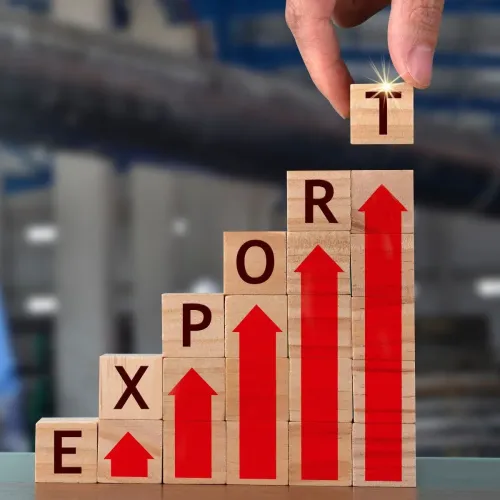
India's jaggery exports rose 106.5 per cent in value between 2015–16 and 2024–25 .
Exports during April–January 2025–26 stood at 450.1 metric tonnes , valued at $384.4 million — up 15.9 per cent year-on-year in value.
India accounts for more than 70 per cent of global jaggery production, supported by 444.9 million tonnes of sugarcane output in 2024–25.
Uttar Pradesh leads domestic production with a 48.5 per cent share; Maharashtra and Karnataka follow.
The sector supports approximately 2.5 million rural livelihoods , with jaggery and honey recording a 15–20 per cent CAGR during 2021–24.
Key export markets include Indonesia , the United States , the UAE , Nigeria , and Nepal .
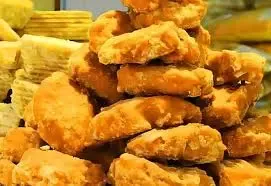
India's jaggery exports have grown 106.5 per cent in value between 2015–16 and 2024–25, the government announced on Saturday, 16 May 2025, underscoring the country's dominant position in global jaggery trade. India currently accounts for more than 70 per cent of total global jaggery production, making it the world's largest producer and exporter of the traditional sweetener.
Export Performance in 2025–26
During April–January 2025–26, India exported 450.1 metric tonnes of jaggery valued at $384.4 million, reflecting a year-on-year rise of approximately 16.5 per cent in volume and 15.9 per cent in value, according to an official statement. Major export destinations included Indonesia, the United States, the United Arab Emirates, Nigeria, and Nepal.
Government Schemes Driving Growth
Several central government initiatives have played a catalytic role in scaling the sector. The Pradhan Mantri Kisan SAMPADA Yojana, the PM Formalisation of Micro Food Processing Enterprises Scheme, and the One District One Product programme have collectively promoted value addition, strengthened rural enterprises, and enhanced export potential. Geographical Indication (GI) tagging of regional jaggery varieties has further bolstered brand value in international markets.
Domestic Demand and Rural Livelihoods
Demand for natural sweeteners within India has also accelerated sharply. Jaggery and honey together recorded a compound annual growth rate of 15–20 per cent during 2021–24, according to the government. Domestic jaggery sales had reached approximately 5,000 metric tonnes annually by August 2024, signalling a clear consumer shift toward traditional and minimally processed sweetening products.
The sector directly supports around 2.5 million rural livelihoods, with 20–30 per cent of India's sugarcane output diverted to jaggery production. Total sugarcane output was estimated at 444.9 million tonnes in 2024–25. Uttar Pradesh contributed the largest share at 48.5 per cent, followed by Maharashtra at 24.1 per cent and Karnataka at 10.5 per cent. Other producing states include Gujarat, Tamil Nadu, Bihar, Uttarakhand, Punjab, Madhya Pradesh, and Haryana.
Nutritional Edge Over Refined Sugar
A key driver of growing consumer and export interest is jaggery's nutritional profile. Unlike white sugar, which loses most minerals during intense refining, jaggery retains calcium, magnesium, potassium, phosphorus, sodium, iron, zinc, copper, and manganese from the original sugarcane juice. Variants such as cane jaggery, palmyra jaggery, and raw jaggery are progressively gaining market presence both domestically and abroad. With global demand for natural sweeteners rising, India's jaggery sector appears well-positioned for further expansion in the years ahead.
Point of View
But the more telling number is the 15–20 per cent CAGR in domestic demand — it suggests jaggery's resurgence is structural, not just a trade story. India's dominance at 70 per cent of global production gives it pricing influence, yet value realisation per tonne remains modest compared to processed health-food derivatives that command premium margins in Western markets. The GI tagging push is the right instinct, but without aggressive branding in high-value markets like the US and EU, India risks remaining a bulk supplier rather than a premium exporter. The real opportunity — palmyra and raw jaggery variants in health-conscious markets — is still largely untapped.
NationPress
20 Sept 2026
Frequently Asked Questions
By how much have India's jaggery exports grown in the last 10 years?
India's jaggery exports grew 106.5 per cent in value between 2015–16 and 2024–25, according to a government statement released on 16 May 2025. In volume terms, exports during April–January 2025–26 alone reached 450.1 metric tonnes, valued at $384.4 million.
Which countries are the biggest buyers of Indian jaggery?
The major export destinations for Indian jaggery are Indonesia, the United States, the United Arab Emirates, Nigeria, and Nepal. These markets have driven consistent demand growth, particularly for traditional and natural sweetener variants.
Which Indian states produce the most jaggery?
Uttar Pradesh is the largest contributor, accounting for 48.5 per cent of total sugarcane production, followed by Maharashtra at 24.1 per cent and Karnataka at 10.5 per cent. Other producing states include Gujarat, Tamil Nadu, Bihar, Uttarakhand, Punjab, Madhya Pradesh, and Haryana.
Why is jaggery considered healthier than white sugar?
Jaggery retains minerals such as calcium, magnesium, potassium, iron, zinc, and manganese that are stripped away during the intensive refining process used to produce white sugar. This nutritional profile has driven growing consumer preference for jaggery as a natural sweetener.
How many rural jobs does India's jaggery sector support?
The jaggery sector supports approximately 2.5 million rural livelihoods across India. Around 20–30 per cent of the country's total sugarcane output is diverted to jaggery production, making it a critical pillar of the rural agrarian economy.