India's Power Generation Capacity Set to Exceed 1,121 GW by 2036, CEA Reports
Synopsis
India is on the verge of a remarkable power generation expansion, aiming to exceed 1,121 GW by 2036. This ambitious plan emphasizes renewable energy sources, particularly solar and wind, to meet the rising electricity demand.
Key Takeaways
India's power capacity expected to exceed 1,121 GW by 2036.
70% of growth from renewable sources.
Solar energy to reach 509 GW.
Energy storage to grow by 174 GW.
Coal capacity projected at 315 GW for stability.
New Delhi, March 19 (NationPress) India is poised to dramatically enhance its power generation capabilities in the coming decade, driven by a robust commitment to clean energy, as per a recent government forecast released on Thursday.
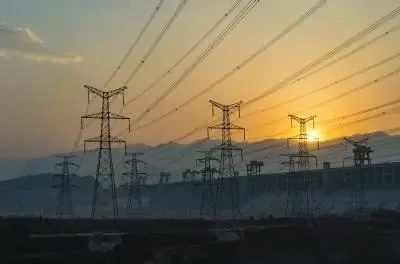
The Central Electricity Authority (CEA) anticipates that the nation's installed power capacity will soar from the existing 520 gigawatts (GW) to an impressive 1,121 GW by 2035-36.
A substantial portion of this growth is expected to stem from non-fossil fuel sources, which are projected to account for approximately 70% of the total capacity.
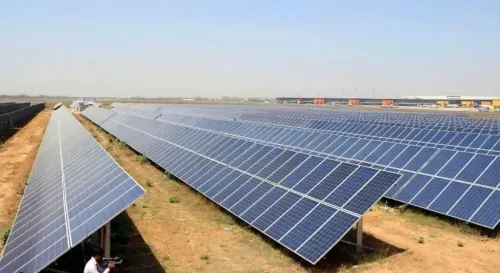
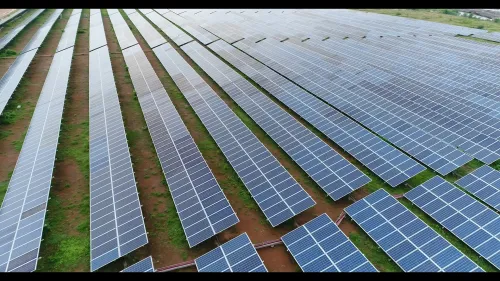
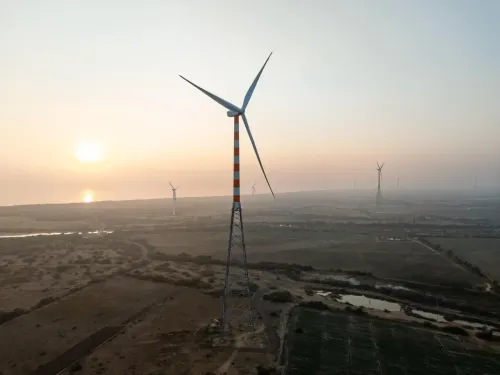
This forecast indicates a significant escalation in renewable energy, predominantly through solar and wind power. Solar energy alone is anticipated to reach 509 GW, while wind power could contribute around 155 GW.
Additionally, other clean energy sources such as large hydro, nuclear, biomass, and small hydropower will also enrich the energy portfolio.
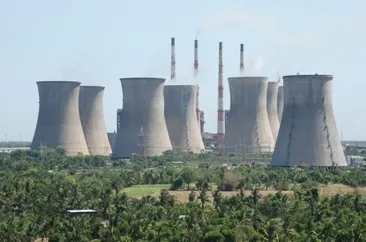
Simultaneously, coal-based power generation is expected to maintain a notable presence at 315 GW, thereby ensuring reliability in the power system.
The CEA, in its Generation Adequacy Plan, has outlined a cost-efficient approach to fulfill future electricity demands.
The report indicates there is significant clarity regarding capacity expansion plans leading up to 2035-36, with numerous projects already in progress or at advanced planning stages.
Alongside generation capabilities, energy storage is anticipated to be crucial. The nation plans to incorporate 174 GW of storage capacity, which includes battery energy storage systems and pumped storage initiatives.
These innovations will assist in managing the fluctuations of renewable energy and guarantee a consistent power supply.
The report emphasized that numerous projects are currently underway. Over 40 GW of coal-based power is under construction, with additional initiatives in the pipeline.
In the renewable sector, around 155 GW of capacity is presently being developed, with further projects in tendering and planning.
India is also enhancing its nuclear and hydroelectric capacity, with several nuclear projects either under construction or awaiting approval, while hydro and pumped storage projects are being advanced to bolster long-term energy stability.
This drive for capacity enhancement is in response to the steadily increasing electricity demands across the country.
The CEA projects that peak power demand will rise at an annual rate of 5.58%, potentially reaching 459 GW by 2035-36.
The total electricity requirement is expected to grow even more rapidly, at an annual increase of 6.41%.
Point of View
It's clear that India's commitment to expanding its power generation capacity is not just a response to rising demand but a strategic move towards a sustainable energy future. The emphasis on renewable sources aligns with global trends, positioning India as a leader in clean energy. This initiative is crucial for long-term energy security and environmental stewardship.
NationPress
25 Sept 2026
Frequently Asked Questions
What is the projected power capacity for India by 2036?
India's power generation capacity is projected to exceed 1,121 GW by 2036.
What percentage of the new capacity will come from renewable sources?
Approximately 70% of the new capacity will be sourced from non-fossil fuel sources.
How much solar power is expected to be generated?
Solar power is expected to reach 509 GW by 2036.
What role will coal play in the energy mix?
Coal-based capacity is projected to remain significant at 315 GW.
How much energy storage capacity is India planning to add?
India plans to add 174 GW of energy storage capacity.