Has India’s Installed Power Capacity Increased by 36% in Five Years with Record Renewable Growth?
Synopsis
India’s power capacity has risen significantly, with renewables leading the charge. Discover how solar and wind energy are reshaping India's energy landscape and attracting global investments.
Key Takeaways
India's installed power capacity grew 36% in five years.
Record renewable energy additions noted in 2025.
Solar energy led the growth in renewable installations.
Fossil fuel capacity growth remains limited.
SHANTI Bill aims for 100 GW nuclear capacity by 2047 .
New Delhi, Jan 23 (NationPress) India's installed power capacity has experienced a remarkable increase of nearly 36 percent over the past five years, with a significant contribution from the renewable energy sector, as reported by the Reserve Bank of India.
The central bank noted that India achieved its highest annual increase in renewable capacity ever recorded in calendar year 2025.
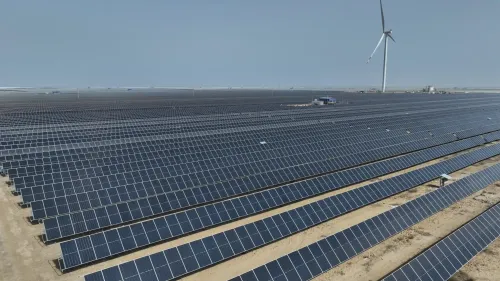
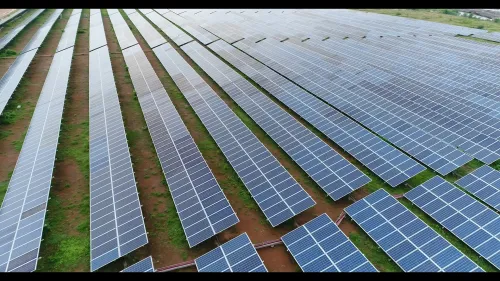
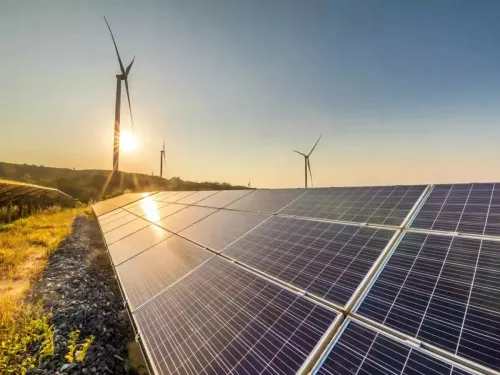
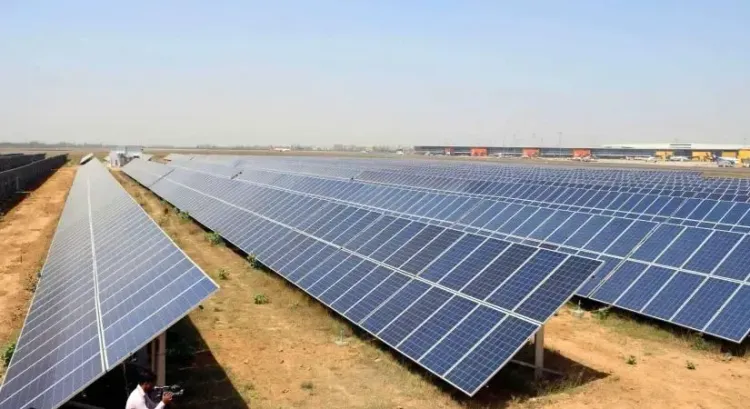
According to the Central Electricity Authority (CEA), renewable energy additions escalated from 5.6 GW in 2020 to 14.4 GW in 2021, and 16.4 GW in 2022, followed by a slight moderation to 13 GW in 2023, before accelerating to 28.6 GW in 2024 and a historic 48.6 GW in 2025. Solar power installations were the primary drivers of this growth.
In contrast, the growth of fossil-fuel energy capacities remained relatively modest, ranging from 1-4 GW annually, while nuclear energy additions have shown steady but small increments since 2023. This data indicates a gradual transition in India's energy landscape towards cleaner sources.
The report also mentioned the potential impact of the Sustainable Harnessing and Advancement of Nuclear Energy for Transforming India (SHANTI) Bill 2025, along with the Nuclear Energy Mission, which aims to elevate nuclear power capacity to 100 GW by 2047, allowing limited private involvement under regulatory supervision.
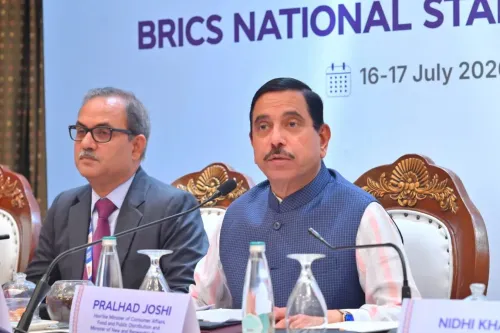
Union Minister of New and Renewable Energy, Pralhad Joshi, actively promoted India's clean energy sector to global investors during the World Economic Forum (WEF) in Davos.
Joshi emphasized India's capability to expand solar, wind, green hydrogen, and energy storage solutions, engaging in focused discussions with global industry leaders to foster long-term climate and clean energy investments.
The minister urged investments in India through renewable-powered hydrogen hubs, integrated energy projects, and port-based export infrastructure.
aar/na
Point of View
It is clear that India's commitment to enhancing its renewable energy capacity is not just a strategic move towards sustainability, but also an essential step in securing energy independence and drawing global investment. The steady rise in renewable sources highlights the government's focus on cleaner energy alternatives, which is crucial for the nation's long-term ecological and economic health.
NationPress
22 Sept 2026
Frequently Asked Questions
What is the current state of India's renewable energy capacity?
India's renewable energy capacity has increased significantly, reaching a record high in 2025 with 48.6 GW added that year.
How does India's fossil fuel capacity compare to its renewable capacity?
Fossil fuel capacity additions have remained modest, between 1-4 GW annually, while renewables have seen substantial growth.
What initiatives are being taken to boost nuclear energy in India?
The SHANTI Bill is expected to enhance nuclear capacity to 100 GW by 2047 , allowing for limited private participation in the sector.