India's renewable energy capacity to hit 530 GW by 2030, IEA report finds
Synopsis
The IEA's India Renewable Energy Market Report 2026 reveals a country that has already overshot one major clean energy milestone — hitting the 50% non-fossil capacity target five years early — and is now on track for 530 GW by 2030. With over $100 billion in import savings since 2011 and a spot as the world's second-largest solar PV manufacturer, India's energy story is no longer just about targets — it is about delivery.
Key Takeaways
India's renewable energy capacity crossed 300 GW in 2026 , nearly quadrupling over the past decade, per the IEA .
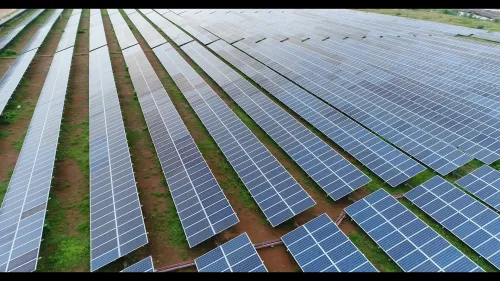
Capacity is projected to reach 530 GW by 2030 , with solar PV comprising more than 80% of new installations.
India achieved its 50% non-fossil fuel power capacity target in 2025 , five years ahead of schedule.
Renewable power saved India more than $100 billion in coal and gas import costs between 2011 and 2025 ; savings expected to more than double by 2030 .
Without clean energy additions since 2010 , India's coal imports in 2025 would have been 110 million tonnes higher.
India is now the world's second-largest solar PV module manufacturer and second-fastest-growing renewable energy market.
India's renewable energy capacity is projected to reach 530 GW by 2030, with solar photovoltaic (PV) accounting for more than 80 per cent of all new installations, according to the India Renewable Energy Market Report 2026 released by the International Energy Agency (IEA). The report, launched at the Bharat Renewable Energy Summit in New Delhi on 4 November 2026, underscores India's accelerating clean energy transition and its growing strategic importance in global energy markets.
Capacity Growth and Milestone Achievement
India's renewable power capacity has nearly quadrupled over the past decade, crossing 300 GW in 2026. The country is now ranked as the world's second-fastest-growing renewable energy market and the second-largest manufacturer of solar PV modules globally. Notably, India achieved its target of sourcing 50 per cent of installed power capacity from non-fossil fuel sources in 2025 — a full five years ahead of schedule — signalling the exceptional pace of the clean energy transition.
Energy Security and Economic Benefits
The IEA report highlights that the rapid deployment of renewable electricity has already yielded substantial economic and energy security dividends. Renewable power generation helped India save more than $100 billion in coal and natural gas import costs between 2011 and 2025. These cumulative savings are expected to more than double by the end of the decade. According to the agency, without the solar, wind, and bioenergy capacity added since 2010, India's coal imports in 2025 would have been approximately 110 million tonnes higher.
What Global and National Leaders Said
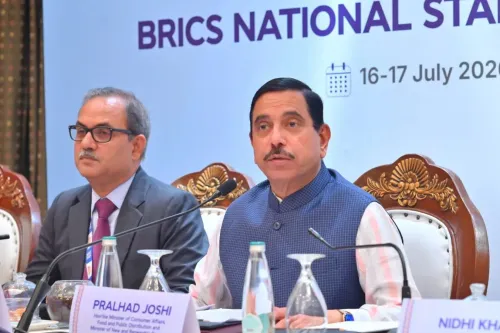
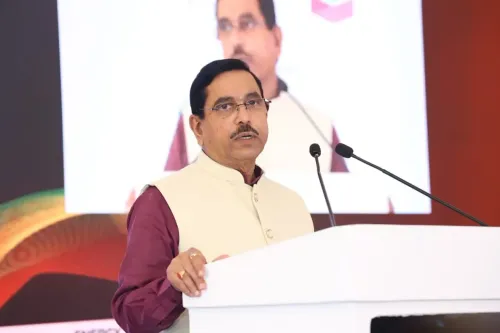
IEA Executive Director Fatih Birol said India's renewable energy expansion is delivering major energy security benefits at a time of heightened uncertainty in global energy markets. He noted that India's experience demonstrates how stable and consistent policy measures can help lower renewable energy costs, attract investments, and provide lessons for other emerging economies. Union Minister for New and Renewable Energy Pralhad Joshi said India's rise as a major renewable energy player reflects the significant progress made in recent years.
Manufacturing and Import Substitution
Beyond power generation, the clean energy push is creating new domestic manufacturing opportunities. India's emergence as the second-largest solar PV module manufacturer represents a structural shift from being a consumer of imported clean energy technology to becoming a producer and exporter. This comes amid broader global efforts to diversify solar supply chains away from a single dominant manufacturer, giving India a strategic opening.
Outlook and What Comes Next
The growth trajectory, anchored by the 530 GW target for 2030, is expected to keep India on course to meet its broader non-fossil power capacity goals. With solar PV driving the bulk of new capacity, grid integration, storage infrastructure, and domestic manufacturing scale-up will be critical execution priorities in the years ahead. The IEA report positions India's policy consistency as a replicable model for other emerging markets navigating their own energy transitions.
Point of View
But the harder question is whether the 530 GW target by 2030 will translate into reliable, affordable power for all consumers — not just headline capacity additions. Grid integration and storage remain underfunded relative to generation ambitions, and the $100 billion import-cost savings figure, while real, obscures the ongoing subsidy and cross-subsidy distortions that cloud the sector's true economics. India's emergence as the second-largest solar PV manufacturer is strategically important, but module manufacturing is a low-margin commodity business; the value-add test is whether India can move up the clean-tech value chain into cells, wafers, and polysilicon. The IEA's praise for 'stable and consistent policy' also glosses over the tariff and regulatory unpredictability that continues to unsettle renewable project developers in several states.
NationPress
4 Nov 2026
Frequently Asked Questions
What does the IEA's India Renewable Energy Market Report 2026 say?
The report, released at the Bharat Renewable Energy Summit in New Delhi on 4 November 2026, projects India's renewable energy capacity to reach 530 GW by 2030, with solar PV accounting for over 80% of new installations. It also notes that India's capacity has nearly quadrupled over the past decade, crossing 300 GW in 2026.
How much has India saved by expanding renewable energy?
According to the IEA, renewable power generation helped India save more than $100 billion in coal and natural gas import costs between 2011 and 2025. These cumulative savings are expected to more than double by the end of the decade.
Did India meet its non-fossil fuel power capacity target?
Yes. India achieved its target of sourcing 50% of installed power capacity from non-fossil fuel sources in 2025, five years ahead of the original schedule, according to the IEA report.
What is India's standing in global renewable energy markets?
India is currently the world's second-fastest-growing renewable energy market and the second-largest manufacturer of solar PV modules globally, according to the IEA's 2026 report.
What would India's coal imports have looked like without renewable energy growth?
The IEA estimates that without the solar, wind, and bioenergy capacity added since 2010, India's coal imports in 2025 would have been approximately 110 million tonnes higher than they were.