JANANI platform launched: India's digital push for maternal, child health
Synopsis
India's JANANI platform isn't just a tech upgrade — it's a structural overhaul of how maternal and child health data is tracked across the country. With 1.34 crore registrations already logged and integration with U-WIN and POSHAN, the government is betting that a unified digital record can close the gaps that fragmented systems have left open for decades.
Key Takeaways
The government launched JANANI (Journey of Antenatal, Natal and Neonatal Integrated Care) on 7 May 2025 as a QR-enabled digital maternal and child health platform.
JANANI replaces and upgrades the existing RCH portal , creating longitudinal health records across the full continuum of maternal and child care.
The platform integrates with national programmes U-WIN and POSHAN for seamless data exchange and cross-sector monitoring.
Key features include QR-enabled MCH cards , automated high-risk pregnancy alerts, real-time dashboards, and self-registration via web and mobile.
Early figures show 1.34 crore beneficiary registrations , over 30 lakh pregnant women registered, and more than 1 lakh biometric verifications completed.
The platform specifically addresses continuity of care for migratory populations and prevents duplication of health records.
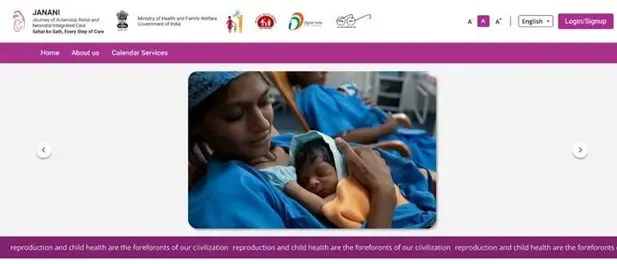
The Indian government on 7 May 2025 launched JANANI (Journey of Antenatal, Natal and Neonatal Integrated Care), a QR-enabled digital healthcare platform designed to comprehensively track and manage maternal and child health services across the country. The platform, announced via an official government statement, aims to create longitudinal digital health records for women throughout their reproductive years — from antenatal care to family planning.
What JANANI Covers
The platform is built as an upgraded version of the existing Reproductive and Child Health (RCH) portal and captures key service delivery events across the full continuum of care. This includes antenatal care, delivery preparedness, postnatal care, newborn care, home-based newborn and young child care, and family planning services.
A standout feature is the QR-enabled digital Mother and Child Health (MCH) card, which makes health records portable and easily accessible for beneficiaries regardless of location. The system also incorporates automated alerts for high-risk pregnancies, real-time dashboards for supervisory review, and due-list generation to enable timely tracking and targeted interventions.
Integration With National Health Platforms
JANANI is designed to integrate seamlessly with existing national platforms, including U-WIN (the universal immunisation monitoring system) and POSHAN (the government's flagship nutrition programme). This integration facilitates smooth data exchange and improved coordination across health and nutrition programmes, enabling comprehensive monitoring of beneficiaries across sectors.
Beneficiary registration is supported through unique identifiers such as ABHA (Ayushman Bharat Health Account), Aadhaar (via OTP and biometric verification), and mobile number, with a pan-India search functionality built in. Notably, the platform also offers self-registration through web and mobile platforms, empowering beneficiaries to manage their own healthcare journey.
Addressing Migrant Populations and Record Duplication
One of the more significant structural improvements in JANANI is its provision for migratory populations. The new portal ensures continuity of care for individuals who move across states or districts — a longstanding gap in India's maternal health infrastructure — while also preventing duplication of records, a common issue in earlier systems.
Citizens are supported through timely scheduling and monitoring of antenatal care visits and immunisations, with alerts and reminders to ensure no critical health milestone is missed. The platform additionally provides access to information on nearby healthcare facilities, expected place of delivery, and health education and nutritional guidance.
Early Numbers and Rollout
According to the government, JANANI has already recorded 1.34 crore beneficiary registrations, over 30 lakh pregnant women registrations, more than 30 lakh MCH cards generated, and over 1 lakh biometric verifications to date. These figures suggest a significant early uptake, though independent verification of outcomes remains pending.
As India continues to work toward reducing maternal and infant mortality rates, JANANI's real-world impact will be closely watched — particularly its effectiveness in reaching underserved and mobile populations in the months ahead.
Point of View
But the harder question is whether digital record creation translates into better health outcomes on the ground. India's maternal and infant mortality challenges are not primarily a data problem — they are a last-mile delivery problem. Integration with U-WIN and POSHAN is a sound design choice, but the history of inter-ministry data sharing in India counsels caution. The real test will come in high-burden, low-connectivity districts where the women who need this platform most may be the least able to access it.
NationPress
24 Sept 2026
Frequently Asked Questions
What is the JANANI platform launched by the Indian government?
JANANI (Journey of Antenatal, Natal and Neonatal Integrated Care) is a QR-enabled digital healthcare platform launched on 7 May 2025 to track and manage maternal and child health services. It creates longitudinal digital health records covering antenatal care, delivery, postnatal care, newborn care, and family planning.
How does the JANANI platform work for beneficiaries?
Beneficiaries can register using ABHA, Aadhaar, or mobile number, and receive a QR-enabled digital Mother and Child Health (MCH) card that makes their records portable and accessible. The platform also sends automated alerts and reminders for antenatal visits, immunisations, and other critical health milestones.
How many people have registered on JANANI so far?
According to the government, JANANI has recorded 1.34 crore beneficiary registrations, over 30 lakh pregnant women registrations, more than 30 lakh MCH cards generated, and over 1 lakh biometric verifications to date.
How does JANANI help migrant populations?
JANANI includes a pan-India search functionality and unique identifier-based registration that ensures continuity of care for women who move across states or districts. It also prevents duplication of health records, a common issue in earlier systems.
Which national platforms does JANANI integrate with?
JANANI integrates with U-WIN, the universal immunisation monitoring system, and POSHAN, the government's flagship nutrition programme. This enables seamless data exchange and coordinated monitoring of beneficiaries across health and nutrition sectors.