Why Do 86% of Indians View Jewellery as a Key Wealth Asset?
Synopsis
A recent report reveals that 86% of Indian consumers now consider jewellery a vital asset for wealth creation. As younger generations drive this shift, the market is evolving from traditional views of jewellery to embrace everyday use, personal expression, and investment potential. With changing trends, retailers must adapt to meet new consumer demands.
Key Takeaways
86% of Indian consumers consider jewellery a key wealth asset.
The jewellery market is shifting towards everyday use and self-expression.
56% view jewellery as both an investment and a fashion accessory.
Gen Z shows a strong preference for silver and minimalist designs.
Operational excellence is crucial for future growth in the jewellery sector.
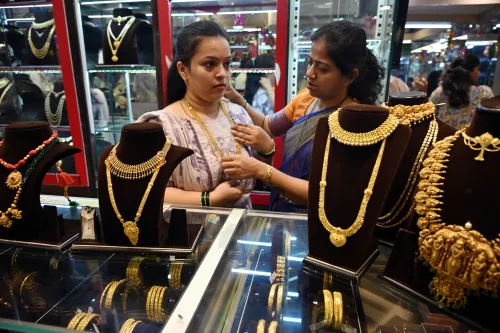
New Delhi, Jan 7 (NationPress) Approximately 86% of Indian consumers now regard gold and jewellery as a favored tool for wealth accumulation, highlighting the enduring role of this category as an “asset”, closely rivaling market-linked investments like mutual funds and stocks (87%), according to a report released on Wednesday.
The jewellery market in India is experiencing a significant transformation, as consumers increasingly perceive jewellery as an everyday representation of identity, lifestyle, and value, in addition to its ceremonial significance, as noted in a Deloitte India report.
The report reveals that the role of jewellery in consumer investment portfolios is extending beyond mere wealth preservation.
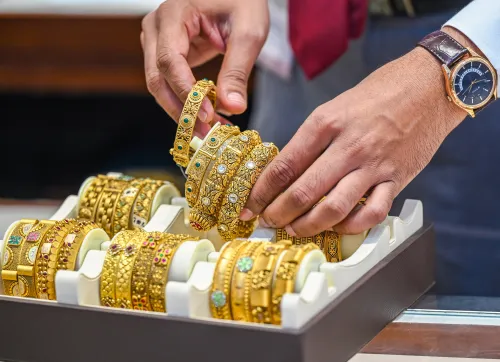
About 56% of consumers now consider jewellery as both an investment and a fashion statement, while 28% acquire jewellery solely for investment purposes.
The findings also highlight that men and individuals aged 45 and above tend to favor investment-driven purchases, whereas younger consumers increasingly emphasize style, personalization, and versatility.
Gen Z and millennials are driving this shift by diversifying their jewellery collections and opting for pieces that can be worn daily.
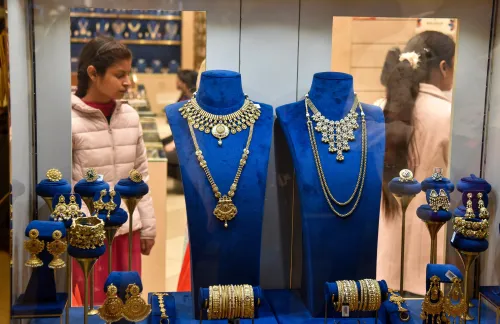
The report indicates that 51% of Gen Z prefer silver, while 34% lean towards platinum. Nearly 49% of respondents favor lightweight, minimalist jewellery over heavier, ornate designs (15%), reflecting a trend towards accessible luxury.
Notably, 45% of Gen Z and millennials prefer investing in silver jewellery, attracted by its design potential, affordability, and accessibility, thus establishing silver as a complementary, everyday alternative to gold.
“India’s jewellery market is at a pivotal moment where consumption is shaped not just by tradition or price, but by a blend of wealth creation, self-expression, and everyday relevance. As consumers gravitate towards lighter designs, alternative metals, and non-ceremonial purchases, the future growth of the industry will hinge on how well retailers integrate trust, design flexibility, and data-driven strategies,” said Praveen Govindu, Partner at Deloitte India.
Retailers that can modernize their offerings without sacrificing heritage, enhance omnichannel experiences while maintaining in-store trust, and boost operational efficiency will be best poised to dominate the Indian jewellery market in the coming decade, he added.
Historically, around 70% of jewellery purchases in India were motivated by weddings, but this trend is shifting.
Millennials are increasingly buying jewellery for birthdays and anniversaries (38%), daily and office wear (32%), and career milestones like promotions and graduations, according to the report.
Purchases for personal, non-ceremonial occasions now surpass traditional purchases, with 49% opting for rings, chains, and earrings for these events, the report noted.
Despite the rising prominence of digital platforms, jewellery remains a high-trust sector where physical retail continues to play a crucial role.
Looking to the future, operational excellence will become a significant growth driver for the industry.
Point of View
I believe that the evolving perceptions of jewellery among Indian consumers underscore a significant shift in cultural values and economic priorities. The growing focus on self-expression and everyday relevance in jewellery reflects broader trends in consumer behavior, indicating that the industry must adapt to remain relevant and competitive.
NationPress
29 Sept 2026
Frequently Asked Questions
What percentage of Indians view jewellery as an investment?
Approximately 86% of Indian consumers consider jewellery a preferred instrument for wealth creation.
How are Gen Z and millennials influencing the jewellery market?
Gen Z and millennials are driving a shift towards everyday jewellery use, prioritizing style, personalization, and minimalism in their choices.
What are the preferred materials for jewellery among younger consumers?
The report indicates that 51% of Gen Z prefer silver, while 34% prefer platinum, with a notable preference for lightweight designs.
How does the perception of jewellery as a wealth asset compare to other investments?
Jewellery is seen as a core asset nearly on par with market-linked products like mutual funds and stocks, which are viewed as essential for wealth creation.
What trends are emerging in jewellery purchases?
There is a notable increase in purchases for personal milestones, with 49% of consumers opting for rings, chains, and earrings for non-ceremonial occasions.