What Are the Key Changes Effective from January 1, 2026?

Synopsis
As we enter 2026, significant changes are being enacted that will affect the financial landscape for many. From salary hikes under the 8th Pay Commission to fluctuations in LPG prices, learn about the key changes that are set to impact your finances.
Key Takeaways
8th Pay Commission implemented, affecting government salaries.
LPG cylinder prices increased by ₹ 111 for commercial uses.
CNG prices decreased by ₹ 3 and PNG by ₹ 0.70 .
Credit scores will now be updated weekly .
Inactive PAN issues beginning January 1.
New Delhi, January 1 (NationPress) The year 2026 has commenced, bringing with it a series of new regulations that will have a direct impact on the financial well-being of ordinary citizens.
One of the most pivotal modifications is the initiation of the 8th Pay Commission starting January 1, 2026.
The Union government had already sanctioned this initiative earlier, which is anticipated to benefit approximately 5 million central government employees and about 6.9 million pensioners.
With the advent of this pay commission, government employees can expect their salaries to rise by 20 to 35 percent.
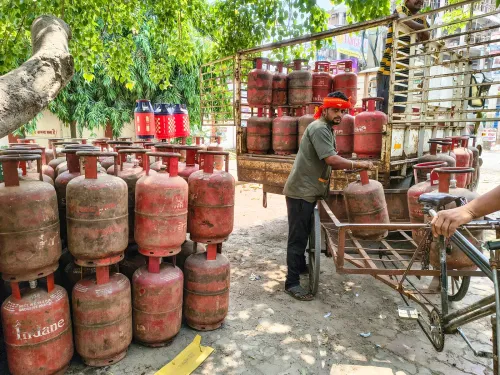
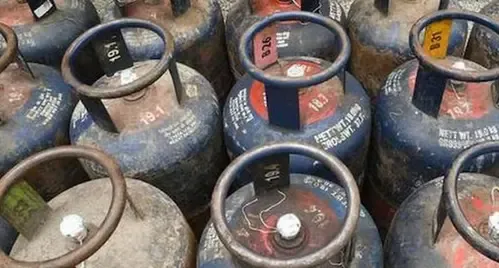
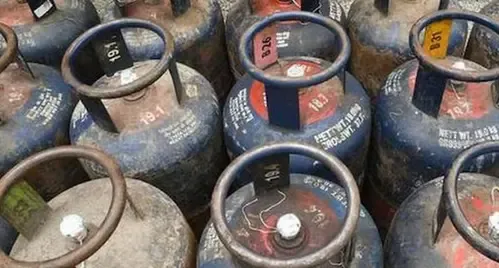
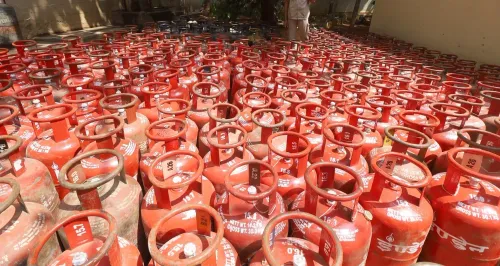
Simultaneously, the government has announced an increase in the cost of LPG cylinders by ₹111 effective January 1, 2026.
This price hike pertains only to 19-kg commercial LPG cylinders, while the cost for 14.2 kg domestic LPG cylinders remains unchanged, offering some relief to households.
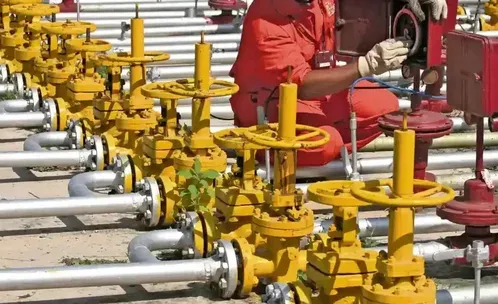
On a positive note, there have been adjustments in fuel prices. Indraprastha Gas Limited (IGL) has lowered the rates for CNG and PNG starting this year.
CNG prices have seen a decrease of ₹3, and PNG has become cheaper by ₹0.70. However, these revised prices will differ from city to city.
Another significant update effective January 1 involves credit scores. Previously, credit scores were refreshed monthly.
From 2026 onwards, these scores will be updated weekly, meaning that individuals who consistently pay their EMIs on time will notice improvements in their credit profiles more promptly.
The deadline for linking PAN with Aadhaar expired on December 31, 2025. If individuals failed to link their PAN with Aadhaar by this date, their PAN cards will become inactive as of January 1.
An inactive PAN can lead to difficulties when filing income tax returns and executing high-value banking transactions.
The central government has also launched a new initiative for beneficiaries of the PM Kisan scheme, introducing a Farmer ID.
This system will be implemented starting January 1, 2026, in various states including Uttar Pradesh, Bihar, and Madhya Pradesh.
Point of View
It’s crucial to understand their implications on the financial fabric of our nation. The adjustments in pay scales and fuel prices demonstrate the government's ongoing efforts to balance economic growth with the welfare of its citizens. Our commitment remains to inform and guide the public through these transitions.
NationPress
29 Sept 2026
Frequently Asked Questions
What is the 8th Pay Commission?
The 8th Pay Commission is a government initiative set to revise the pay scales for central government employees and pensioners, effective January 1, 2026.
How much will salaries increase under the new pay commission?
Salaries for government employees may rise between 20 to 35 percent under the 8th Pay Commission.
Will domestic LPG cylinder prices increase?
No, the price for 14.2 kg domestic LPG cylinders remains unchanged, although commercial LPG cylinder prices have risen by ₹111.
How will credit scores change in 2026?
Starting from 2026, credit scores will be updated weekly instead of monthly, allowing for quicker reflection of timely payments.
What happens if my PAN is inactive?
An inactive PAN can hinder your ability to file income tax returns and perform high-value banking transactions.