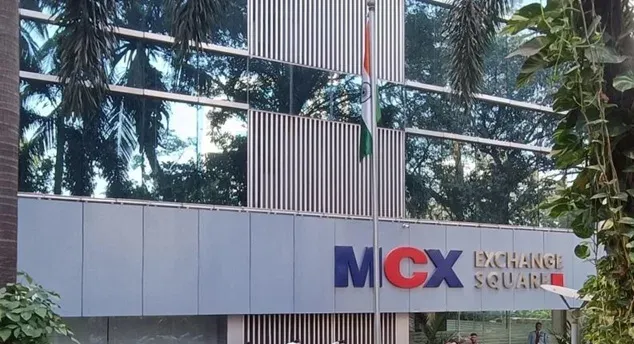
MCX warns investors against fraud on social media, illegal trading platforms
Synopsis
MCX has sounded the alarm on fraudsters — many traced to Jaipur — who are impersonating the exchange on WhatsApp, Telegram, and Instagram to push illegal trading platforms promising guaranteed returns. Investors who fall for these schemes get no SEBI protection and no recourse through MCX's dispute mechanisms.
Key Takeaways
MCX issued a public advisory on 13 July warning investors about entities misusing its brand name on social media and illegal trading platforms.
Fraudsters, reportedly operating in and around Jaipur, Rajasthan , are active on WhatsApp , Telegram , Facebook , and Instagram .
Scammers falsely promise assured or guaranteed returns and impersonate MCX employees or claim exchange collaborations.
Trading on these platforms is prohibited by law and falls outside SEBI's regulatory framework — investors have no recourse.
MCX confirmed none of these entities are registered members or authorised persons of the exchange.
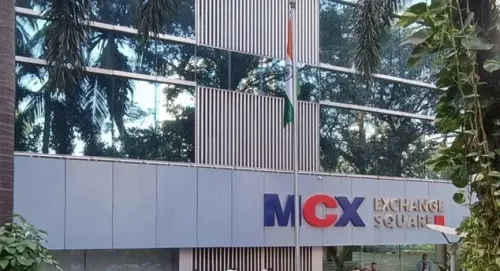
The Multi Commodity Exchange of India Limited (MCX) on Monday, 13 July issued a public advisory cautioning investors against fraudulent entities misusing its brand name to lure people into illegal commodity trading platforms through social media channels, websites, mobile applications, and messaging services. The exchange, India's leading commodity derivatives marketplace, confirmed it has no connection with these entities.
Where the Fraud Originates
According to MCX, certain unscrupulous individuals and entities operating in and around Jaipur, Rajasthan, are impersonating the exchange using both Indian and international mobile numbers. These fraudsters are active across platforms including WhatsApp, Telegram, Facebook, and Instagram, as well as unauthorised websites and mobile applications.
In several instances, fraudsters have gone further — impersonating MCX employees or falsely claiming formal collaborations with the exchange to lend credibility to their schemes.
How the Scam Works
The fraudulent entities reportedly follow a familiar playbook. They falsely claim associations with reputed organisations or individuals, offer unregulated trading platforms and unauthorised applications, and promise assured or guaranteed returns on investments — a red flag that regulators consistently warn against.
Investors are being invited to social media groups with claims of quick profits, and are subsequently asked to transfer money through unverified links or third-party payment applications. This pattern mirrors a broader national trend of investment scams exploiting the credibility of established financial institutions.
What MCX Has Clarified
MCX stated categorically in its advisory: 'MCX is in no way connected with such entities. Further, the said entity is neither registered as a Member of the Exchange nor associated as an Authorised Person of any of the Members of the Exchange.'
The exchange also emphasised that investors who participate on these unauthorised platforms will have no access to investor protection mechanisms available under its jurisdiction — including dispute resolution and grievance redressal systems.
Regulatory and Legal Risk for Investors
Trading on such platforms is prohibited under Indian law and falls entirely outside the regulatory framework of the Securities and Exchange Board of India (SEBI). MCX warned: 'Participation on such illegal platforms is at the investor's own risk, cost and consequences as such illegal platforms are not regulated by SEBI, the regulatory authority.'
This is not an isolated advisory. Regulated exchanges and SEBI have repeatedly flagged the proliferation of fraudulent investment groups on messaging apps, particularly those promising fixed or guaranteed returns in commodity and equity derivatives markets.
What Investors Should Do
MCX has urged investors to verify the credentials of any trading platform before committing funds, avoid clicking on unverified links, and report suspicious entities to the exchange or SEBI directly. As digital financial fraud grows more sophisticated, regulatory bodies continue to stress that no legitimate exchange or broker will ever promise guaranteed returns.
Point of View
Technically sophisticated, and exploiting the very credibility that regulated exchanges have spent decades building. The real gap is enforcement: MCX can warn, but it cannot shut down a Telegram group. SEBI's investor protection framework has no reach over unregistered platforms, which means the burden falls entirely on retail investors who are, by definition, the least equipped to assess the risk. Until platform accountability is legislated — requiring WhatsApp and Telegram to act on verified financial fraud reports — these advisories will remain necessary but insufficient.
NationPress
12 Oct 2026
Frequently Asked Questions
What is the MCX fraud warning about?
MCX has cautioned investors against fraudulent entities misusing its name on social media platforms such as WhatsApp, Telegram, Facebook, and Instagram to promote illegal commodity trading platforms and promise guaranteed returns. The exchange confirmed it has no connection with these entities.
Where are these fraudsters reportedly operating from?
According to MCX, the entities are reportedly operating in and around Jaipur, Rajasthan, using both Indian and international mobile numbers, unauthorised websites, and messaging applications to target investors across the country.
Are investments made on these platforms protected by SEBI?
No. MCX has explicitly stated that these platforms operate outside SEBI's regulatory framework. Investors who participate do so at their own risk and have no access to dispute resolution or grievance redressal mechanisms available under MCX's jurisdiction.
How can investors identify these fraudulent platforms?
Key red flags include promises of assured or guaranteed returns, invitations to WhatsApp or Telegram groups claiming quick profits, requests to transfer money via unverified links or third-party apps, and claims of affiliation with MCX or its employees. No legitimate regulated exchange promises guaranteed returns.
What should investors do if they encounter such fraud?
Investors should avoid engaging with or transferring funds to such platforms, refrain from clicking unverified links, and report suspicious entities directly to MCX or SEBI. Verifying whether a broker or platform is registered with SEBI before investing is strongly advised.