CM Sai: 5 New Govt Medical Colleges Approved for Chhattisgarh
Synopsis
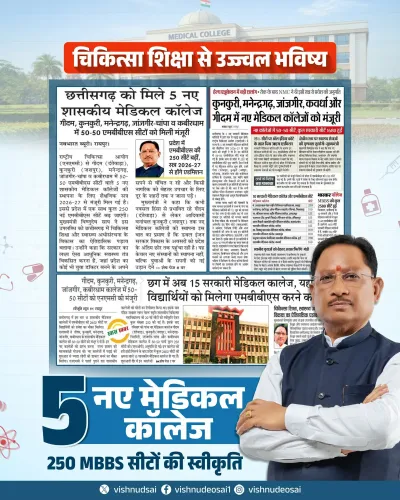
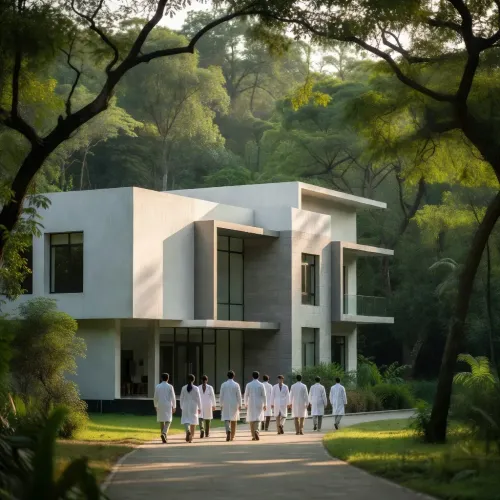
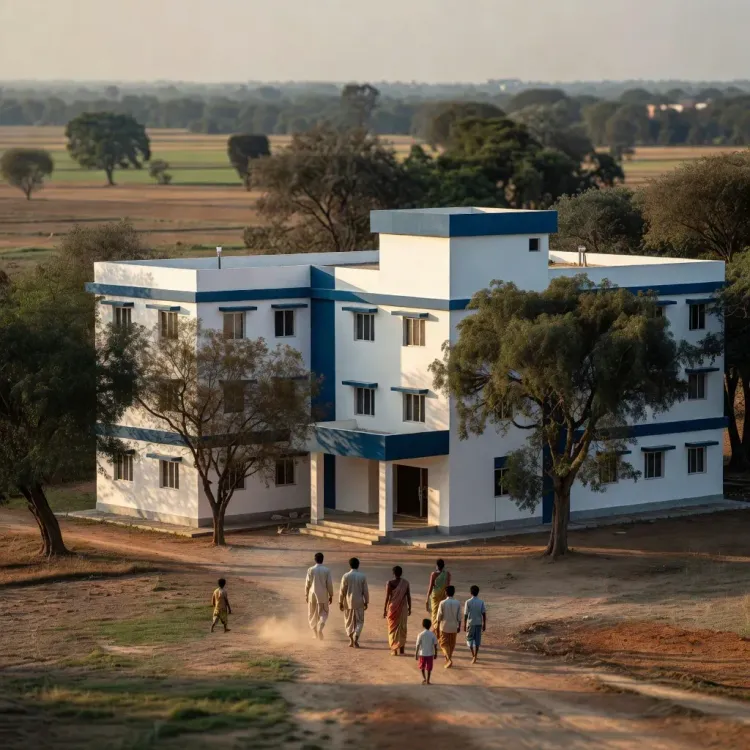
Chhattisgarh CM Vishnu Deo Sai announced NMC approval for five new government medical colleges — in Geedam, Kunkuri, Manendragarh, Janjgir-Champa and Kabirdham — each with 50 MBBS seats, adding 250 seats to the state's medical education capacity and extending healthcare infrastructure to tribal and former Naxal-affected districts.
Key Takeaways
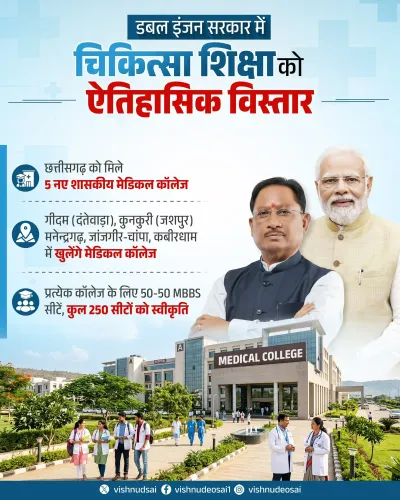
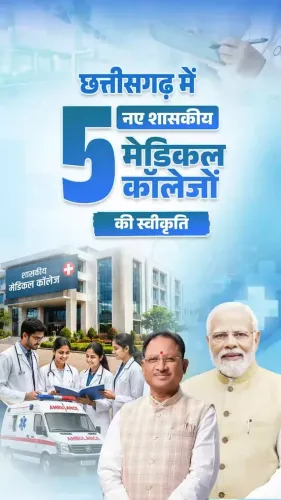
The National Medical Commission (NMC) has approved five new government medical colleges in Chhattisgarh, each with 50 MBBS seats .
The colleges are located in Geedam (Dantewada) , Kunkuri (Jashpur) , Manendragarh , Janjgir-Champa , and Kabirdham .
The approvals add a total of 250 new MBBS seats to Chhattisgarh's government medical education capacity.
Geedam in Dantewada was historically affected by Naxal violence; its inclusion marks a deliberate push to integrate conflict-affected zones into health infrastructure.
CM Vishnu Deo Sai credited PM Narendra Modi and Union Health Minister J.P.
Nadda for facilitating the approvals under the 'double engine' governance model.
Next steps include construction, faculty recruitment, and NMC compliance inspections before first student admissions can begin.
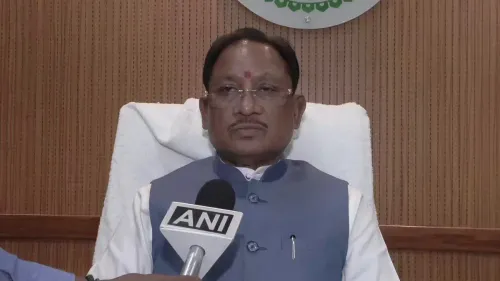
Chhattisgarh Chief Minister Vishnu Deo Sai announced on Monday, 13 July 2026 that the National Medical Commission (NMC) has approved five new government medical colleges across the state, each with 50 MBBS seats, marking what he called a historic expansion of medical education under the BJP's 'double engine' government.
Context
In a post on X, CM Sai announced NMC approval for new government medical colleges in Geedam (Dantewada), Kunkuri (Jashpur), Manendragarh, Janjgir-Champa, and Kabirdham. Translating his Hindi post, he wrote that the approval represents a 'aitihasik uplabdhi' (historic achievement) of good governance and visionary leadership, delivering quality healthcare and medical education to the last corner of the state. He extended gratitude on behalf of all Chhattisgarh residents to Prime Minister Narendra Modi and Union Health Minister J.P. Nadda for facilitating the approvals.
The five colleges together add 250 new MBBS seats to the state's medical education capacity. The announcement is notable for its geographic spread — from the former Naxal-affected south to the forested tribal belt of northern Chhattisgarh.
Policy Backdrop
The approvals come under the framework of the National Medical Commission Act, 2019, which replaced the Medical Council of India and created a streamlined regulatory pathway for new college permissions and seat additions. Central schemes, including the Pradhan Mantri Swasthya Suraksha Yojana, have supported medical college establishment in underserved states since the mid-2000s, with accelerated additions after 2014.
Chhattisgarh has historically faced a severe shortage of doctors, particularly in its southern and tribal districts. The inclusion of Geedam in Dantewada — a district long affected by left-wing extremism — signals a deliberate policy push to integrate conflict-affected zones into mainstream health infrastructure. Kunkuri in Jashpur, a forested district bordering Jharkhand and Odisha, similarly represents outreach into areas with limited access to tertiary healthcare.
The BJP-led centre-state coordination pattern mirrors similar NMC approvals granted to states such as Uttar Pradesh, Madhya Pradesh, and Rajasthan in recent years, aimed at correcting regional imbalances in doctor availability across India.
Stakeholders and Impact
The primary beneficiaries are aspiring MBBS students from Chhattisgarh's rural and tribal communities, who currently face intense competition for limited government seats and often lack the financial means to pursue private medical education. Each of the five new colleges will admit 50 students per year, creating a direct pipeline of locally trained doctors for underserved districts.
Residents of districts such as Dantewada and Jashpur stand to gain improved access to healthcare as locally trained doctors are more likely to serve in their home regions. State health officials and district administrations will now be responsible for overseeing construction, faculty recruitment, and infrastructure readiness ahead of first admissions.
What's Next
The immediate focus shifts to construction timelines and faculty appointments for all five colleges, as NMC norms require physical infrastructure and staffing to be in place before students are admitted. Subsequent NMC inspections will determine whether the institutions meet regulatory standards, and future academic years could see seat enhancements if compliance benchmarks are satisfied.
For CM Sai and the BJP government in Chhattisgarh, the approvals provide a concrete deliverable ahead of future electoral cycles, reinforcing the 'double engine' narrative of coordinated centre-state governance translating into tangible public benefits in one of India's more challenging administrative terrains.
Point of View
The announcement reinforces the BJP's 'double engine' branding ahead of future electoral cycles, positioning federal coordination as a concrete deliverable rather than a slogan. The pattern of approvals mirroring those in other BJP-ruled states suggests a coordinated national rollout rather than an isolated state achievement. The real test will be whether construction and faculty recruitment timelines hold, as several previously sanctioned medical colleges across India have faced years-long delays between approval and first admissions.
NationPress
12 Oct 2026
Frequently Asked Questions
Which five districts in Chhattisgarh are getting new government medical colleges?
The five new government medical colleges have been approved for Geedam (Dantewada) , Kunkuri (Jashpur) , Manendragarh , Janjgir-Champa , and Kabirdham , each with 50 MBBS seats.
How many new MBBS seats will Chhattisgarh get from these new medical colleges?
The five new colleges will collectively add 250 MBBS seats per year to Chhattisgarh's government medical education capacity, with each college offering 50 seats.
Who approved the new medical colleges in Chhattisgarh?
The approvals were granted by the National Medical Commission (NMC) , the statutory body that regulates medical education in India. CM Vishnu Deo Sai credited PM Narendra Modi and Union Health Minister J.P. Nadda for facilitating the decision.
Why is a medical college being set up in Dantewada?
Dantewada has historically been one of the most Naxal-affected and underserved districts in Chhattisgarh. The approval of a medical college at Geedam in the district is part of a broader push to extend quality healthcare and medical education to conflict-affected and remote areas.
What is the 'double engine government' CM Sai referred to?
The 'double engine government' is a BJP political term referring to the alignment of both the state government and the central government under the same party, which the BJP argues enables faster approvals and coordinated policy delivery, as seen with the NMC sanctions for Chhattisgarh's new colleges.