NSE CEO Ashishkumar Chauhan's pay rises 41% to ₹15.88 crore in FY26: DRHP
Synopsis
NSE's IPO filing lays bare a 41% pay rise for CEO Ashishkumar Chauhan — to ₹15.88 crore in FY26 — even as the exchange's revenue slipped over 3% and cash market trading volumes fell nearly 7%. The contrast between rising executive pay and softening financials is the sharpest disclosure to emerge from India's most-awaited stock exchange listing.
Key Takeaways
NSE CEO Ashishkumar Chauhan 's remuneration rose 41% over two years to ₹15.88 crore in FY26 , up from ₹11.26 crore in FY24.
The figures exclude deferred or contingent compensation earned in FY26 payable in later years, per the DRHP .
NSE 's revenue from operations fell more than 3% to ₹16,601.3 crore in FY26 from ₹17,140.67 crore in FY25.
Cash market ADTV declined 6.59% to ₹1,05,516.66 crore ; equity futures ADTV dropped more than 14% year-on-year.
Public Interest Director Sundararajarao Sudarshan 's sitting fees rose 22% to ₹42.5 lakh ; Non-Independent Director Veneet Nayar 's nearly doubled to ₹20.8 lakh in FY26.
NSE flagged sustained volume declines as a material risk to its business in its IPO prospectus.
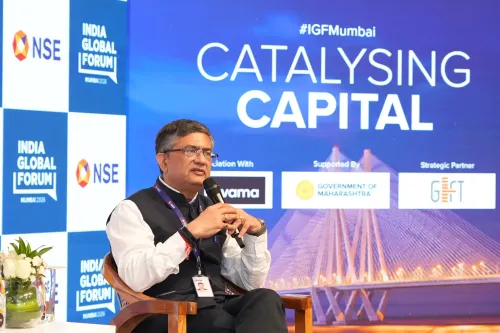
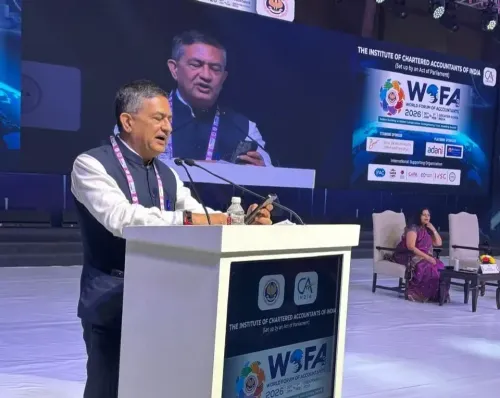
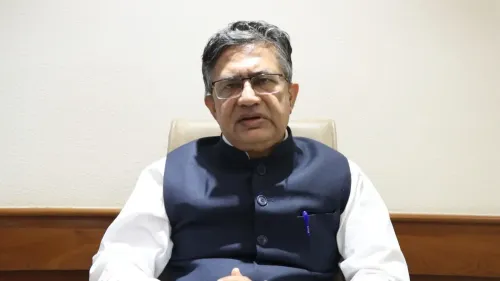
The National Stock Exchange (NSE) Managing Director and CEO Ashishkumar Chauhan saw his total remuneration rise approximately 41 per cent over two financial years to ₹15.88 crore in FY26, according to the exchange's draft red herring prospectus (DRHP) filed with the Securities and Exchange Board of India (SEBI) ahead of its long-awaited initial public offering (IPO). The disclosure offers the first detailed look at executive compensation at India's largest stock exchange as it prepares to go public.
CEO Remuneration Over Three Years
The DRHP reveals a steady upward trajectory in Chauhan's pay package. His remuneration stood at ₹11.26 crore in FY24, rose to ₹13.99 crore in FY25, and climbed further to ₹15.88 crore in FY26 — a cumulative increase of roughly 41 per cent across the two-year period. Notably, the DRHP clarified that these figures exclude any contingent or deferred compensation earned during FY26 that is payable in subsequent years, meaning the effective total could be higher.
Director Sitting Fees Also Rise
Beyond the CEO's package, the DRHP disclosed increases in sitting fees paid to board members. Public Interest Director Sundararajarao Sudarshan received sitting fees of ₹42.5 lakh in FY26, up 22 per cent from ₹34.8 lakh in FY24. Non-Independent Director Veneet Nayar's sitting fees nearly doubled to ₹20.8 lakh in FY26 from ₹10.5 lakh in FY24, reflecting greater board-level engagement as the exchange navigated its IPO preparation.
Revenue and Trading Volumes Moderate in FY26
The compensation disclosures come against a backdrop of softer operating performance. NSE's revenue from operations declined more than 3 per cent year-on-year to ₹16,601.3 crore in FY26, down from ₹17,140.67 crore in FY25. Revenue from transaction charges — the exchange's single largest income stream — fell 4 per cent to ₹13,057.01 crore from ₹13,635.76 crore in FY25. Income from clearing and settlement services also declined during the year.
Trading activity softened across both cash and derivatives segments. Average daily trading volume (ADTV) in the cash market fell 6.59 per cent to ₹1,05,516.66 crore in FY26, while equity futures ADTV dropped more than 14 per cent year-on-year. Equity options trading, measured in premium value terms, also witnessed a decline during the period.
NSE's IPO: Context and Risk Factors
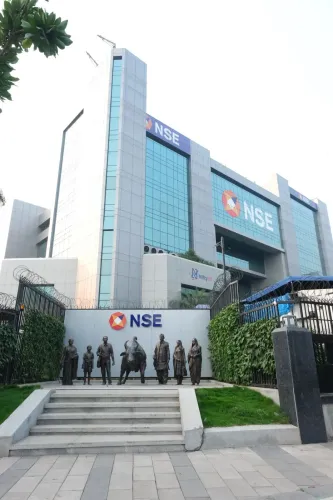
The DRHP filing marks a significant milestone for the NSE, which has received regulatory approval to proceed with its IPO — a listing that market observers have anticipated for years. This comes amid a broader slowdown in market activity that the exchange itself flagged as a material risk. In its risk disclosures, NSE cautioned that any sustained decline in trading volumes or transaction values could adversely affect demand for its products and services, potentially impacting its financial condition, growth prospects, and cash flows.
The IPO, if completed, would mark one of the most consequential listings in India's capital markets history, given NSE's dominant position across equity, derivatives, and currency trading segments.
Point of View
Durable earnings. The timing is awkward: revenue slipped, cash market volumes fell nearly 7%, and derivatives ADTV dropped over 14% in the same period the pay climbed. The DRHP's own risk language — flagging volume declines as a threat to financial condition — sits in uncomfortable proximity to the compensation disclosures. Prospective retail investors will need to weigh whether executive incentives are aligned with the volume growth the IPO story depends on, or whether they are insulated from it.
NationPress
12 Oct 2026
Frequently Asked Questions
How much did NSE CEO Ashishkumar Chauhan earn in FY26?
NSE CEO Ashishkumar Chauhan received total remuneration of ₹15.88 crore in FY26, according to the exchange's DRHP filed with SEBI. This excludes any deferred or contingent compensation earned in FY26 that is payable in subsequent years.
By how much did the NSE CEO's salary increase over two years?
Chauhan's remuneration rose approximately 41% over two financial years — from ₹11.26 crore in FY24 to ₹13.99 crore in FY25 and further to ₹15.88 crore in FY26, as disclosed in the NSE's DRHP.
What is the NSE DRHP and why was it filed?
The Draft Red Herring Prospectus (DRHP) is a preliminary IPO document filed with SEBI containing financial disclosures, risk factors, and operational details. NSE filed it ahead of its proposed public listing, which would be one of the largest in India's capital markets history.
How did NSE's financial performance fare in FY26?
NSE's revenue from operations declined more than 3% year-on-year to ₹16,601.3 crore in FY26. Transaction charge revenue fell 4%, cash market ADTV dropped 6.59%, and equity futures ADTV declined more than 14% over the same period.
Who are the other NSE executives whose pay was disclosed in the DRHP?
The DRHP disclosed sitting fees for Public Interest Director Sundararajarao Sudarshan, whose fees rose 22% to ₹42.5 lakh in FY26, and Non-Independent Director Veneet Nayar, whose fees nearly doubled to ₹20.8 lakh in FY26 from ₹10.5 lakh in FY24.