CM Sai Hails NMC Nod for 5 New Govt Medical Colleges in CG
Synopsis
The National Medical Commission has approved five new government medical colleges in Chhattisgarh, each with 50 MBBS seats, covering districts from Naxal-affected Dantewada to tribal Jashpur. CM Vishnu Deo Sai credited the 'Double Engine' government and thanked PM Modi and Union Health Minister J.P. Nadda for the landmark approvals.
Key Takeaways
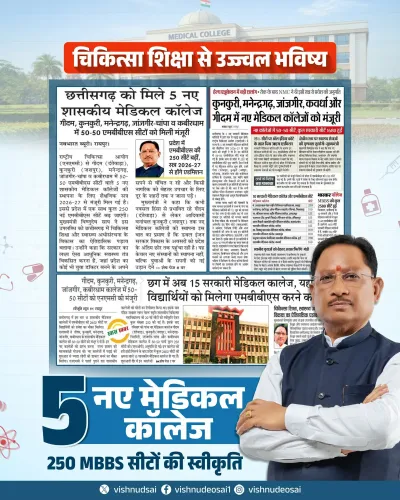
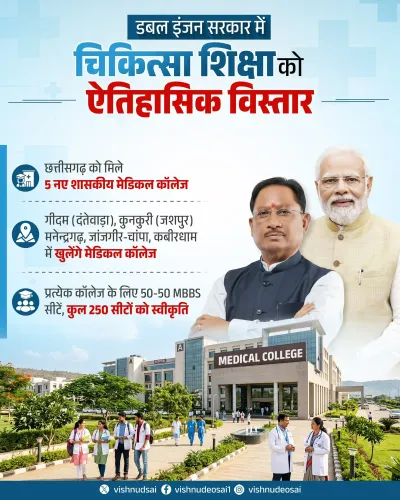
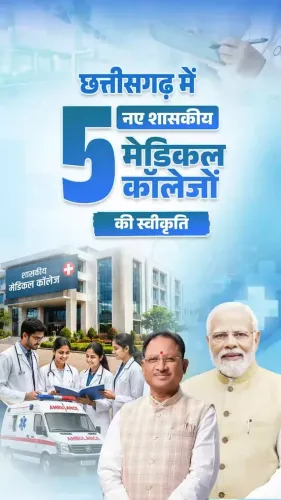
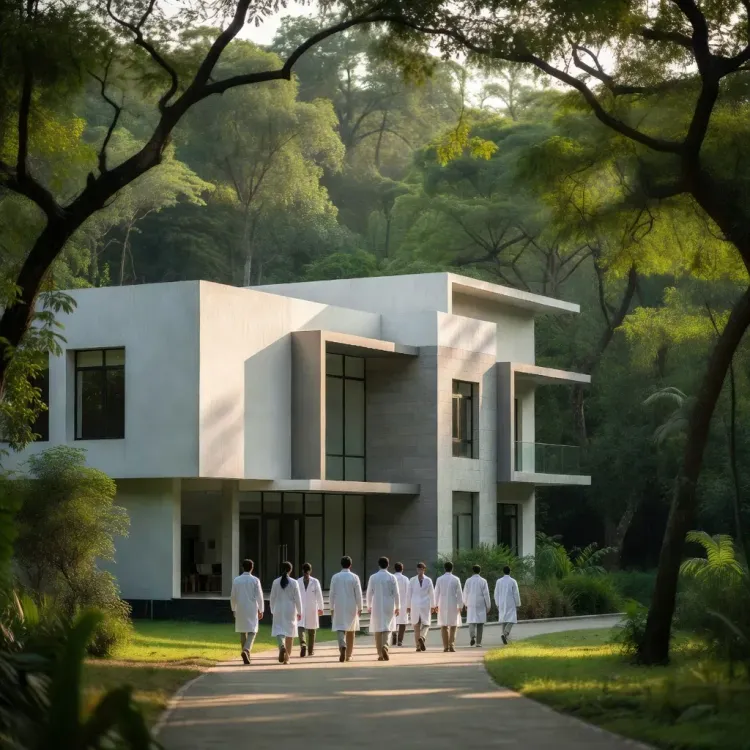
The National Medical Commission (NMC) has approved 5 new government medical colleges in Chhattisgarh, each with 50 MBBS seats , adding 250 seats in total.
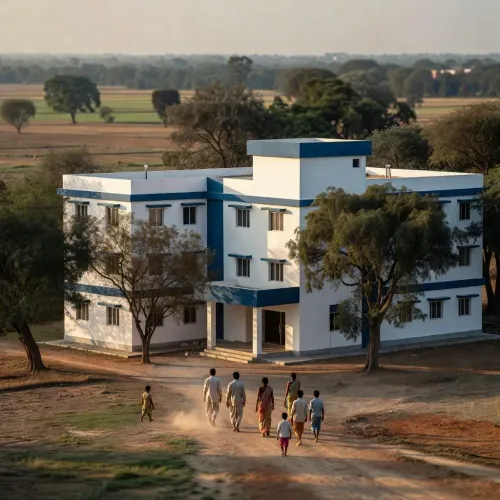
The colleges will be located in Geedam (Dantewada) , Kunkuri (Jashpur) , Manendragarh , Janjgir-Champa , and Kabirdham .
Geedam in Dantewada was previously one of the most Naxal-affected areas in the state, making the college approval a significant development milestone.
CM Vishnu Deo Sai credited the 'Double Engine' model of BJP governance at both state and central levels for the approvals.
The expansion aligns with the central government's push under PMSSY and the NMC Act, 2019 to increase MBBS seats in underserved and tribal regions.
Land acquisition, construction, and faculty recruitment remain pending before the colleges can admit their first batch of students.
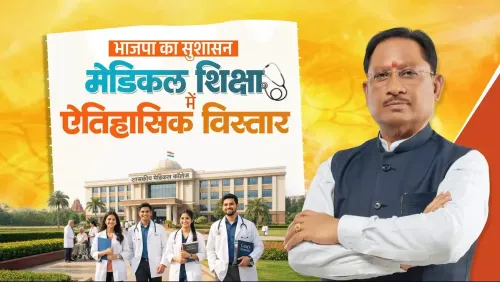
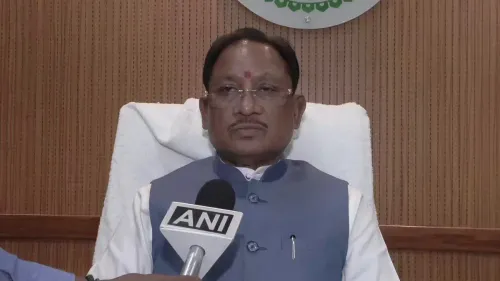
Chhattisgarh Chief Minister Vishnu Deo Sai on Monday, 13 July 2026, announced that the National Medical Commission (NMC) has approved five new government medical colleges across the state, each with 50 MBBS seats, marking what he called a historic expansion of medical education under the 'Double Engine' government.
What Was Announced
The five colleges have been approved for Geedam (Dantewada), Kunkuri (Jashpur), Manendragarh, Janjgir-Champa, and Kabirdham — together adding 250 MBBS seats to the state's medical education capacity. CM Sai described the development as an 'ऐतिहासिक उपलब्धि' ('historic achievement'), crediting coordinated action between the state and central governments.
Expressing gratitude on behalf of the people of Chhattisgarh, the Chief Minister thanked Prime Minister Narendra Modi and Union Health Minister J.P. Nadda for facilitating the NMC clearances.
Context
Geedam in Dantewada district was, until recent years, among the most severely Naxal-affected areas of southern Chhattisgarh. Establishing a government medical college there signals a deliberate policy to extend institutional infrastructure into conflict-affected zones. Similarly, Kunkuri in Jashpur lies in the forested northern belt of the state, where access to quality healthcare and higher education has historically been limited for tribal communities.
CM Sai noted that the approvals would give 'नई उड़ान' ('new wings') to the aspirations of the state's youth while building a stronger health system from the remotest corners of Chhattisgarh to its heartland.
Policy Backdrop
The National Medical Commission Act, 2019, which replaced the Medical Council of India, streamlined the process for approving new government medical colleges, enabling faster expansion across underserved states. Since 2014, the central government's Pradhan Mantri Swasthya Suraksha Yojana (PMSSY) has channelled funds toward new medical institutions in states like Chhattisgarh, Jharkhand, and Madhya Pradesh — regions with historically low doctor-to-population ratios.
The BJP's 'Double Engine' model — which emphasises coordinated governance when the same party holds power at both the state and central levels — has been a recurring framework for announcing such infrastructure milestones. Chhattisgarh had already received central approvals for additional medical colleges between 2020 and 2023, and this latest round deepens that trajectory.
Stakeholders and Impact
The primary beneficiaries are tribal and rural youth in some of Chhattisgarh's most geographically and socially marginalised districts, who previously had to travel to larger cities for MBBS admissions. With 50 seats per college, the five institutions will collectively create 250 new MBBS openings each academic year once operational.
Residents of Naxal-affected districts such as Dantewada stand to gain not just in educational access but also in long-term healthcare delivery, as locally trained doctors are more likely to serve in familiar terrain. Tribal communities across Jashpur, Kabirdham, and Manendragarh are among the key stakeholders who could see improved healthcare infrastructure over the next decade.
What's Next
The NMC approval is the first formal step; the colleges will require land acquisition, construction, faculty recruitment, and follow-up NMC inspections before the first batch of students can be admitted. Timelines for these stages are yet to be announced by the state government.
If the five colleges become fully operational, Chhattisgarh's total government MBBS seat count will rise substantially, potentially improving the state's standing in national health workforce indices. The broader national push to increase India's doctor-to-population ratio makes these approvals part of a larger, ongoing structural shift in how medical education is distributed across the country.
Point of View
Particularly in tribal and insurgency-affected belts. Placing a college in Geedam — long synonymous with Naxal violence — carries clear political symbolism alongside genuine developmental intent, framing security gains as a platform for social investment. For CM Vishnu Deo Sai, who took office in December 2023, the announcement provides a tangible governance milestone heading into a period when the state government will seek to demonstrate delivery on development promises. The broader significance lies in whether these colleges move swiftly from NMC approval to actual operation, a step where several previously approved institutions across India have faced prolonged delays.
NationPress
12 Oct 2026
Frequently Asked Questions
Which new medical colleges have been approved in Chhattisgarh?
The NMC has approved five new government medical colleges in Chhattisgarh at Geedam (Dantewada), Kunkuri (Jashpur), Manendragarh, Janjgir-Champa, and Kabirdham, each with 50 MBBS seats.
How many MBBS seats will the new Chhattisgarh medical colleges add?
Each of the five newly approved colleges will have 50 MBBS seats, collectively adding 250 MBBS seats per academic year to Chhattisgarh's medical education capacity once operational.
What is the NMC and why does its approval matter for medical colleges?
The National Medical Commission is the statutory body established under the NMC Act, 2019, that regulates medical education in India. Its approval is a mandatory prerequisite before any new medical college can admit MBBS students.
Why is a medical college being set up in Dantewada's Geedam area?
Geedam in Dantewada was one of the most Naxal-affected areas in Chhattisgarh. Establishing a government medical college there is aimed at improving healthcare access and educational opportunities for tribal communities in a historically underserved conflict zone.
When will the new medical colleges in Chhattisgarh start admitting students?
No specific timeline has been announced yet. The NMC approval is the first step; land acquisition, construction, and faculty recruitment must be completed before the colleges can admit their first batch of MBBS students.