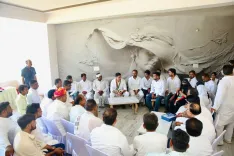
CM Sai lays foundation for medical college hostels in Chhattisgarh
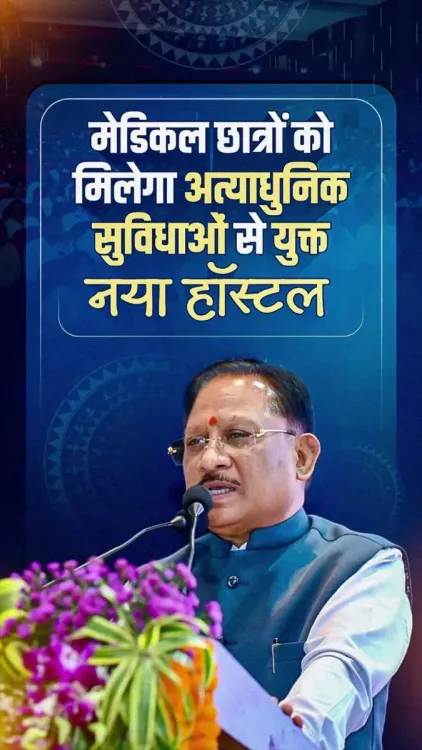
Synopsis
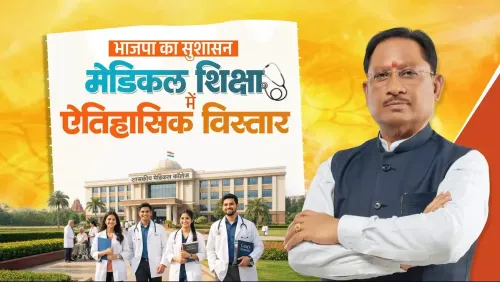
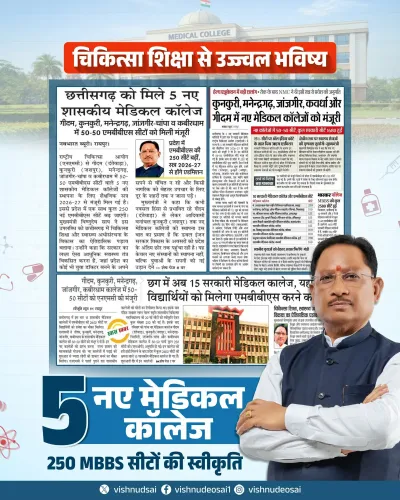
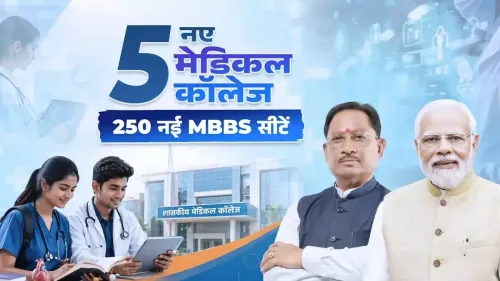
Chief Minister Vishnu Deo Sai laid the foundation for a hostel and other development works at a medical institution in Chhattisgarh on 6 July 2026, fulfilling a long-standing demand of medical students and reinforcing the BJP government's commitment to strengthening medical education in the state.
Key Takeaways
Chief Minister Vishnu Deo Sai performed the bhoomi pujan for a hostel and multiple development works at a medical college in Chhattisgarh on 6 July 2026 .
The ceremony fulfils a 'long-awaited demand' of medical students, according to the official CMO post on X.
The BJP government, in power since December 2023 , framed the event as evidence of its commitment to delivering on electoral promises.
Hostel shortages have historically been a barrier for students — especially women and those from distant districts — at medical colleges across the state.
The initiative aligns with the post- 2019 NMC framework and central schemes like PM-ABHIM that encourage states to upgrade medical education infrastructure.
Future budget allocations and legislative proposals for additional MBBS seats will indicate the scale of the government's longer-term ambitions.
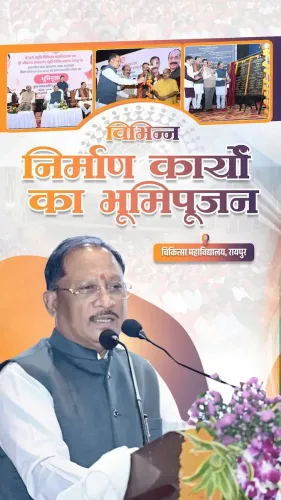
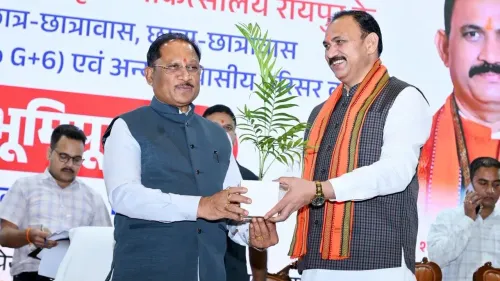
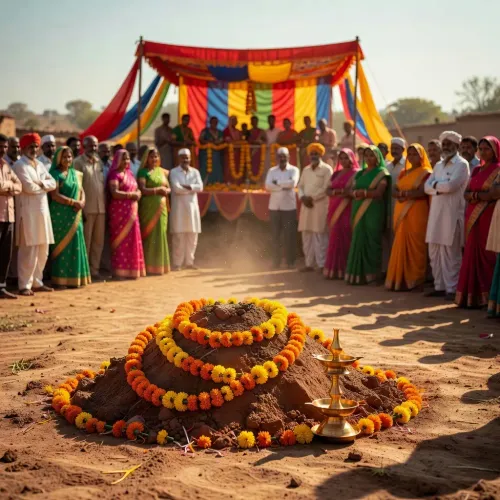
The Chief Minister's Office of Chhattisgarh announced on Monday, 6 July 2026 that Chief Minister Vishnu Deo Sai performed the bhoomi pujan (foundation-laying ceremony) for a hostel and several other development works at a medical institution in the state, fulfilling a long-standing demand of medical students.
Posting on X, the CMO quoted Chief Minister Sai as saying: 'Hamari sarkar har waade ko dharatal par utaarne ke liye pratibaddh hai' ('Our government is committed to delivering on every promise on the ground'). The post added that the foundation-laying for the hostel and various development works addressed a 'long-awaited demand' of medical students and would 'give new strength to medical education.'
Context
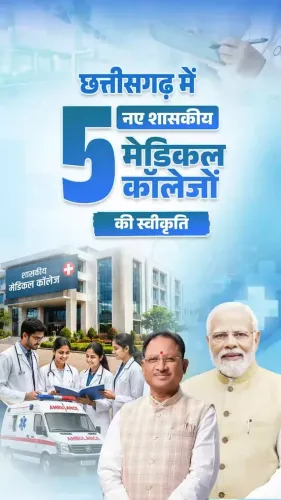
Vishnu Deo Sai took charge as Chief Minister of Chhattisgarh in December 2023 after the Bharatiya Janata Party won the state assembly elections. Upgrading medical education infrastructure was among the governance commitments outlined by the BJP administration following its victory. The bhoomi pujan on 6 July 2026 represents a visible step toward honouring those pledges.
Student housing has been a persistent bottleneck at medical colleges across Chhattisgarh, a state that spans large tribal and forested belts where attracting and retaining medical talent requires adequate campus amenities. The absence of sufficient hostel accommodation has historically deterred students, particularly women and those from distant districts, from enrolling in or completing medical programmes.
Policy Backdrop
India's National Medical Commission (NMC), established after 2019, eased norms for setting up new medical colleges and upgrading existing ones, creating an opening for states to expand MBBS seats and improve facilities. Central schemes such as PM-ABHIM (Pradhan Mantri Ayushman Bharat Health Infrastructure Mission) have provided funding avenues that states including Chhattisgarh have sought to leverage.
Across central and eastern India — regions that historically record lower doctor-to-population ratios — state governments have pursued incremental expansion of medical college infrastructure. Foundation-laying events for student amenities are a standard instrument in this effort, simultaneously advancing physical infrastructure and signalling political accountability on electoral promises.
Stakeholders and Impact
Medical students enrolled at the college stand to be the most direct beneficiaries, gaining access to on-campus hostel accommodation that reduces commute burden and improves study conditions. Medical college administrations are expected to find it easier to attract faculty and students once residential infrastructure meets regulatory standards.
For Chhattisgarh's broader healthcare ecosystem, expanding functional medical college capacity feeds into the state's longer-term goal of producing more doctors for its rural and tribal districts, where healthcare access remains uneven. Better-equipped colleges are also better positioned to increase annual MBBS intake under NMC norms.
What's Next
The state's upcoming budget presentations for health and medical education will be watched for allocations tied to completing the works whose foundation was laid on 6 July 2026. Any proposals for additional MBBS seats or new medical colleges in forthcoming legislative sessions would signal whether this event marks the beginning of a broader infrastructure push.
The Sai government's ability to deliver completed, functional facilities — not merely ceremonial groundbreakings — will be the metric by which medical students and civil society assess whether the administration's stated commitment to 'delivering on every promise on the ground' translates into lasting improvement in Chhattisgarh's medical education landscape.
Point of View
Photographable milestones that can be communicated directly to voters. For the Sai government, which inherited a state with significant rural healthcare gaps, investing in medical college infrastructure serves a dual purpose — addressing a genuine supply-side bottleneck in doctor production while reinforcing the BJP's 'good governance' brand ahead of future electoral cycles. The alignment with central schemes like PM-ABHIM also signals an intent to draw Union funding rather than rely solely on state resources. The real test, however, lies in whether groundbreaking ceremonies are followed by timely project completion and measurable increases in medical seats and qualified doctors serving Chhattisgarh's tribal and rural belts.
NationPress
5 Oct 2026
Frequently Asked Questions
What did CM Vishnu Deo Sai inaugurate on 6 July 2026?
Chief Minister Vishnu Deo Sai performed the bhoomi pujan (foundation-laying) for a hostel and various development works at a medical college in Chhattisgarh, fulfilling a long-standing demand of medical students.
Why is a hostel important for medical colleges in Chhattisgarh?
Hostel accommodation is critical in Chhattisgarh because the state covers large tribal and remote areas. Without on-campus housing, students — particularly women and those from distant districts — face significant barriers to enrolling in or completing medical programmes.
Which party governs Chhattisgarh and since when?
The Bharatiya Janata Party (BJP) has governed Chhattisgarh since December 2023 , when Vishnu Deo Sai was sworn in as Chief Minister after the party's assembly election victory.
How does this relate to national medical education policy?
The initiative aligns with the National Medical Commission (NMC) framework introduced after 2019, which eased norms for upgrading medical colleges, and with central funding available under schemes like PM-ABHIM that support health infrastructure expansion.
What should we watch for next regarding Chhattisgarh medical education?
Key indicators will include state budget allocations for health and medical education, proposals for new MBBS seats, and the pace of construction and completion of the facilities whose foundation was laid on 6 July 2026 .