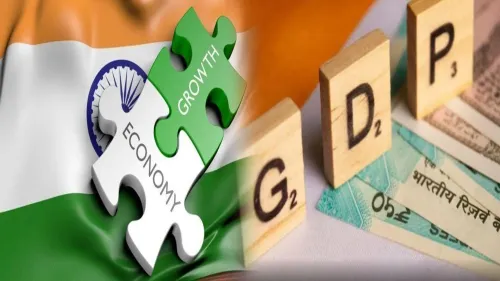
Morgan Stanley projects India GDP growth at 6.8% in 2026 amid energy risks
Synopsis
Morgan Stanley's 6.8% India GDP call for 2026 isn't just a number — it's a bet on Asia's biggest industrial upcycle since the mid-2000s. With AI, defence, and energy transition driving a $16 trillion investment wave by 2030, and India boosting LPG output by 40%, the brokerage sees domestic resilience holding even as geopolitical energy shocks loom.
Key Takeaways
Morgan Stanley projects India's GDP growth at 6.8% for 2026 , driven by domestic demand and government capex.
Asia is entering its most powerful industrial super-cycle since the mid-2000s , fuelled by AI , energy transition, and defence investment.
Asia's gross fixed investment is projected to reach $16 trillion by 2030 , up from $11 trillion currently, at a 7% CAGR .
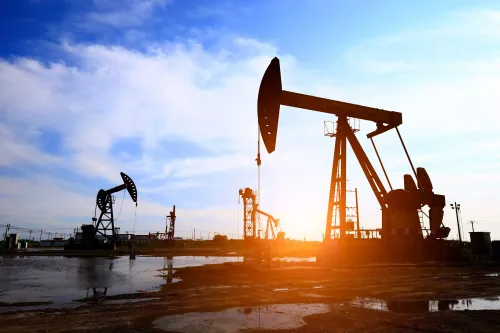
India has raised LPG production by 40% to bolster energy security amid regional supply disruptions.
Geopolitical tensions and higher energy prices remain the key near-term risks to the outlook.
Morgan Stanley has projected India's GDP growth at a healthy 6.8% for 2026, underpinned by strong domestic demand, government-led capital expenditure, and improving industrial activity across Asia. The leading global brokerage, in its latest outlook, noted that India stands to benefit from Asia's emerging industrial and capital expenditure super-cycle, even as geopolitical tensions and energy price pressures pose near-term risks.
Asia's Industrial Super-Cycle and India's Role
According to the brokerage's report, Asia is entering its 'most powerful industrial super-cycle since the mid-2000s', driven by rising investments in artificial intelligence (AI) infrastructure, energy transition, defence spending, and broader industrial capacity expansion. India is positioned to benefit from this regional cycle pickup alongside a domestic capital expenditure boost, supported by relatively easy fiscal and monetary policies.
The brokerage projected Asia's gross fixed investment to rise to $16 trillion by 2030, up from $11 trillion currently — reflecting a 7% compound annual growth rate (CAGR) over the next five years. Investments in AI infrastructure, energy transition, and defence are expected to grow at a 16% CAGR during 2026–2030, generating positive spillovers for exports, employment, and consumption growth across the region.
Key Growth Drivers for India
The report identified urban consumption and government capital expenditure as the primary growth drivers for India in 2026.
Point of View
And a prolonged spike in energy costs would squeeze both rural consumption and the fiscal space that is currently supporting capex. The 40% LPG production increase is a meaningful hedge, but India remains a net energy importer. The more durable question is whether the Asia industrial super-cycle actually transmits into Indian manufacturing jobs and exports, or whether India captures only the demand-side spillovers while China and Vietnam absorb the supply-side wins.
NationPress
23 Sept 2026
Frequently Asked Questions
What is Morgan Stanley's GDP growth forecast for India in 2026?
Morgan Stanley projects India's GDP growth at 6.8% for 2026, supported by strong domestic demand, government capital expenditure, and the tailwinds of Asia's industrial super-cycle. The brokerage describes the outlook as healthy despite near-term geopolitical and energy risks.
What is Asia's industrial super-cycle and how does India benefit?
Morgan Stanley describes Asia as entering its most powerful industrial super-cycle since the mid-2000s, driven by investments in AI infrastructure, energy transition, and defence. India benefits through a domestic capex boost and relatively easy fiscal and monetary conditions that align with the regional investment upturn.
Why has India increased LPG production by 40%?
India has raised LPG production by 40% as part of broader regional efforts to manage fuel supply disruptions and strengthen energy security. The move is aimed at cushioning the economy against energy price shocks linked to ongoing geopolitical tensions.
What are the key risks to India's growth outlook in 2026?
Morgan Stanley flagged geopolitical tensions driving higher energy prices as the primary near-term risk. Rural demand also faces temporary pressure from weather-related disruptions and fertiliser supply constraints.
How large is Asia's projected investment boom by 2030?
Morgan Stanley projects Asia's gross fixed investment to rise to $16 trillion by 2030, from $11 trillion currently, at a 7% CAGR. AI infrastructure, energy transition, and defence investments are expected to grow at a faster 16% CAGR between 2026 and 2030.