South Korea consumer sentiment rises to 106.6 in September on market stability
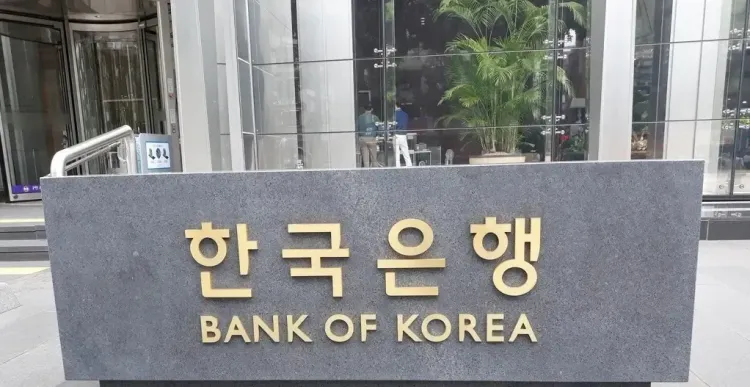
Synopsis
South Korean consumer confidence bounced back in September, with the CCSI hitting 106.6 — its highest reading in months — as stock market volatility eased and households grew more optimistic about income prospects. The KOSPI held a three-session winning streak even as profit-taking trimmed early gains, with Samsung Electronics and SK Hynix leading tech heavyweights higher.
Key Takeaways
South Korea's CCSI rose to 106.6 in September 2026 , up 2.1 points from August, according to the Bank of Korea .
The subindex for current economic conditions climbed 4 points to 83 ; the future outlook subindex rose 1 point to 90 — both still below 100.
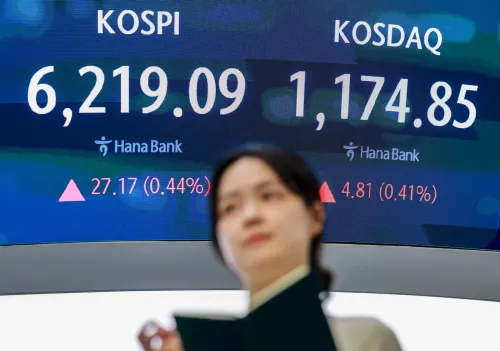
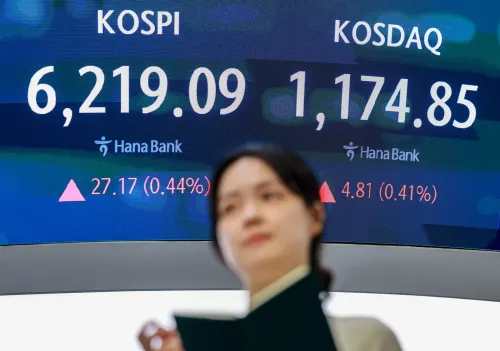
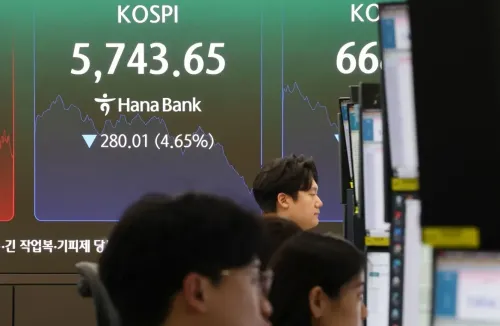
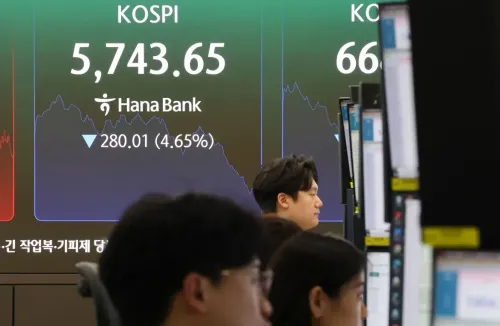
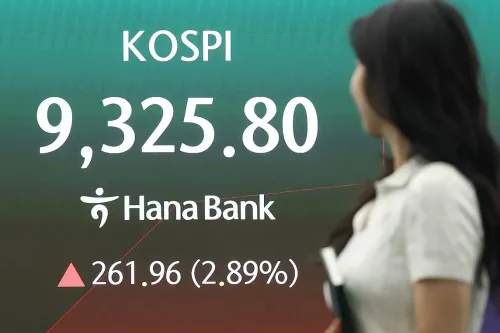
The KOSPI gained 0.08 percent to 7,023.87 on Wednesday after opening 1.94 percent higher, trimmed by profit-taking after three consecutive sessions of gains.
Samsung Electronics rose 1.9 percent and SK Hynix added 0.11 percent , while Samsung Electro-Mechanics slipped 0.74 percent .
The Korean won strengthened to 1,352.6 per US dollar, up 3.9 won from the previous close.
South Korea's composite consumer sentiment index (CCSI) climbed to 106.6 in September 2026, up 2.1 points from August, as a stabilising local stock market and encouraging economic data lifted household confidence, the Bank of Korea (BOK) said on Wednesday. A CCSI reading above 100 indicates that optimists outnumber pessimists.
What Drove the Rebound
The BOK attributed the recovery directly to reduced volatility in domestic equities. 'As the stock market reduced its volatile movement, expectations run high that sound economic conditions would improve income,' the central bank said. The subindex tracking people's assessment of current economic conditions rose 4 points to 83 in September, while the subindex for future economic outlook edged up 1 point to 90.
KOSPI Holds Gains Amid Profit-Taking
South Korean equities broadly reflected the cautious optimism. The benchmark Korea Composite Stock Price Index (KOSPI) opened 1.94 percent higher on Wednesday, buoyed by gains in technology heavyweights following back-to-back record closes on the Nasdaq Composite. By 11:20 am local time, the index had pared most of those gains to close at 7,023.87, up just 5.96 points or 0.08 percent, as investors moved to book profits after three consecutive sessions of gains.
Key Movers on the KOSPI
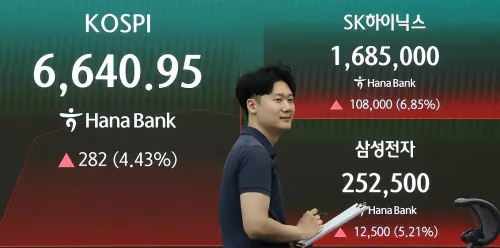
Samsung Electronics, the index's top market capitalisation stock, rose 1.9 percent, while chip giant SK Hynix added 0.11 percent. SK Square, the parent company of SK Hynix, gained 2.84 percent. In contrast, Samsung Electro-Mechanics, an electronics components affiliate of Samsung Electronics, slipped 0.74 percent, underlining the mixed performance across the tech supply chain.
Currency and Broader Market Context
The South Korean won strengthened modestly, trading at 1,352.6 won against the US dollar as of 11:20 am, up 3.9 won from the previous session's close. The currency's firmness aligns with the broader risk-on tone, although analysts note that sustained won appreciation could weigh on export competitiveness for large-cap technology companies. Notably, the KOSPI's three-session winning streak comes amid growing global optimism around semiconductor demand, providing a tailwind for South Korea's export-heavy economy.
Outlook
While the September CCSI reading signals recovering consumer confidence, both the current conditions and future outlook subindices remain below the 100 threshold, suggesting households are still more pessimistic than optimistic about immediate economic realities. Sustained market stability and continued strong technology sector earnings will be key to whether sentiment crosses into decisively positive territory in the months ahead.
Point of View
But the subindices tell a more guarded story — both current conditions (83) and future outlook (90) remain in pessimistic territory, meaning the headline optimism is fragile. South Korea's consumer recovery is still largely sentiment-driven rather than income-driven, and the KOSPI's quick retreat from its opening surge on Wednesday underscores that investor conviction is thin. The real test will come when global semiconductor demand translates into visible wage and employment gains for ordinary households, not just market cap gains for Samsung and SK Hynix.
NationPress
23 Sept 2026
Frequently Asked Questions
What is the composite consumer sentiment index (CCSI) in South Korea?
The CCSI is a monthly survey-based indicator published by the Bank of Korea that measures household confidence about current and future economic conditions. A reading above 100 means optimists outnumber pessimists; a reading below 100 indicates the reverse.
Why did South Korea's consumer sentiment rebound in September 2026?
The Bank of Korea attributed the rebound primarily to reduced volatility in the local stock market and sound economic data, which raised household expectations that improving economic conditions would boost income. The CCSI rose 2.1 points to 106.6 from August's reading.
How did the KOSPI perform on 23 September 2026?
The KOSPI opened 1.94 percent higher, lifted by gains in tech stocks following back-to-back Nasdaq record closes, but pared most gains by mid-morning as investors booked profits, closing at 7,023.87 — up just 0.08 percent on the day.
Which South Korean stocks led the market on Wednesday?
Samsung Electronics rose 1.9 percent and SK Square gained 2.84 percent, while SK Hynix added 0.11 percent. Samsung Electro-Mechanics bucked the trend, declining 0.74 percent.
What does it mean that the CCSI subindices are still below 100?
Although the headline CCSI of 106.6 suggests overall optimism, the subindices for current economic conditions (83) and future economic outlook (90) remain below 100, indicating that households are still more pessimistic than optimistic about both present and near-term economic realities.