Nepal travel warning: Heavy rain forecast Sep 25–27 after floods killed 1,451
Synopsis
Nepal's Tourism Board has raised a fresh travel alarm just weeks after the country's deadliest recent floods killed 1,451 and left 5,705 missing. With extremely heavy rainfall forecast across multiple provinces from 25–27 September — including the very river basins where foreign tourists perished in August — the advisory is as much a warning about the scale of what already happened as it is about what may come next.
Key Takeaways
The Nepal Tourism Board (NTB) issued a safety advisory warning of heavy to extremely heavy rainfall from 25 to 27 September .
The advisory follows the devastating floods of 26 August , which have killed 1,451 people and left 5,705 missing , including 636 foreigners .
The Department of Hydrology and Meteorology (DHM) flagged Koshi, Madhesh, Bagmati, Sudurpashchim, Karnali, Gandaki and Lumbini provinces as at risk.
Tourists are advised to avoid trekking, mountaineering, and travel near rivers, steep slopes, and landslide-prone zones during the forecast window.
Several visitors in the Bhote Koshi and Trishuli river basins were among the victims of the August floods.
The Nepal Tourism Board (NTB) has issued a formal safety advisory for tourists, warning of heavy to extremely heavy rainfall expected across several parts of the country from 25 to 27 September. The alert comes just weeks after the catastrophic floods of 26 August that have killed 1,451 people and left 5,705 missing — including 636 foreigners — according to Nepal's National Disaster Risk Reduction and Management Authority.
What the Weather Forecast Says
The Department of Hydrology and Meteorology (DHM) has forecast extremely heavy rainfall across large parts of eastern Koshi, southern Madhesh, central Bagmati, and western Sudurpashchim provinces during the three-day window. Parts of western Karnali Province may also receive heavy rainfall, while Gandaki and Lumbini provinces in western Nepal face accompanying thunderstorms, lightning, and strong winds.
Key Safety Directions for Visitors
The NTB's advisory urged travellers heading to mountainous and high-altitude areas near river basins to 'take extra precautions, as weather conditions can change rapidly and snowfall may occur at higher elevations.' The board explicitly advised against trekking, mountaineering, and other outdoor activities during unsafe weather conditions.
Visitors were also told to avoid areas affected by severe weather or flagged as high-risk, and to 'exercise particular caution near rivers, streams, steep slopes and areas prone to landslides,' the advisory states. Travellers are asked to keep track of the latest road, flight, and trekking-route conditions before proceeding.
August Floods: The Devastating Backdrop
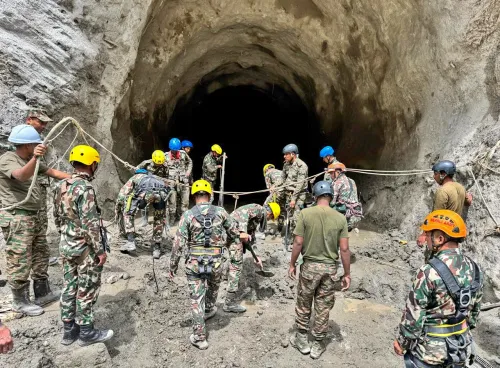
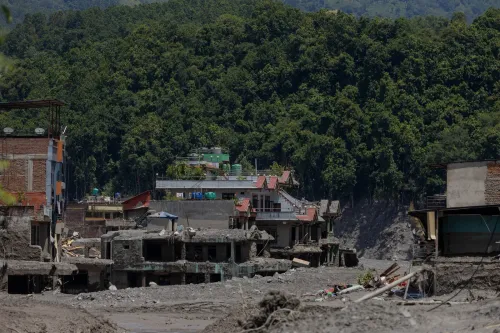
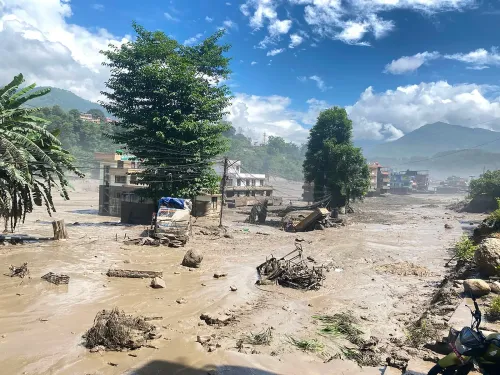
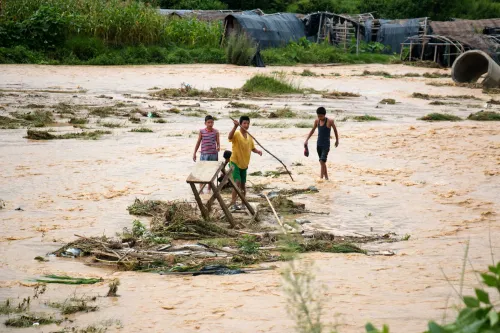
The NTB's heightened caution is rooted directly in the scale of destruction from the 26 August floods — among the deadliest in recent Nepali history. Several visitors in the Bhote Koshi and Trishuli river basins were among those who perished during that disaster, underlining the particular vulnerability of tourists unfamiliar with rapidly shifting mountain weather. The 5,705 missing figure, still unresolved as of Tuesday evening, reflects the ongoing humanitarian toll.
Notably, this is not an isolated weather event. Nepal's monsoon season, which typically runs from June through September, has grown more intense in recent years, with climate researchers linking increasingly extreme precipitation events to long-term atmospheric shifts across the Himalayan region.
What Travellers Should Do Now
The NTB asked visitors to follow safety instructions from local authorities, security agencies, and tourism professionals, and to 'pre-emptively stay or move to safe places based on weather conditions and the advice of tour operators.' Checking official advisories before and during travel is strongly recommended, particularly for those with planned treks or river-basin excursions between 25 and 27 September.
With the next heavy rainfall window just days away, the NTB's advisory signals that Nepal's disaster-response agencies are treating the coming weather cycle as a serious secondary risk event.
Point of View
But the sheer scale of the August disaster — over 1,451 dead and 5,705 still missing — raises questions about whether Nepal's tourism infrastructure and early-warning systems are adequately calibrated for the new climate reality. The inclusion of 636 missing foreigners is a particularly striking figure that points to gaps in tourist-specific risk communication. Issuing an advisory days before the next extreme weather window is necessary; building a system where tourists receive real-time alerts in their own languages, especially in remote trekking zones, is the harder and more urgent work.
NationPress
23 Sept 2026
Frequently Asked Questions
Why has Nepal issued a travel warning in September 2026?
The Nepal Tourism Board issued a safety advisory because the Department of Hydrology and Meteorology forecast heavy to extremely heavy rainfall across several provinces from 25 to 27 September. The warning follows the catastrophic floods of 26 August that killed 1,451 people and left 5,705 missing, including 636 foreigners.
Which areas of Nepal are most at risk from the forecast rainfall?
Eastern Koshi, southern Madhesh, central Bagmati, and western Sudurpashchim provinces face the highest risk of extremely heavy rainfall. Parts of Karnali, Gandaki, and Lumbini provinces are also expected to see heavy rain, thunderstorms, lightning, and strong winds.
What should tourists currently in Nepal do?
Tourists should check the latest weather forecasts and official advisories before travelling, avoid high-risk zones near rivers, steep slopes, and landslide-prone areas, and refrain from trekking or mountaineering during unsafe conditions. Travellers should follow instructions from local authorities and tour operators.
How deadly were the Nepal floods of August 2026?
The floods of 26 August 2026 are among the deadliest in recent Nepali history, claiming 1,451 lives and leaving 5,705 people missing as of Tuesday evening, according to the National Disaster Risk Reduction and Management Authority. The missing figure includes 636 foreign nationals.
Are the Bhote Koshi and Trishuli river areas safe to visit?
These areas should be approached with extreme caution. Several tourists in the Bhote Koshi and Trishuli river basins were victims of the August floods, and the NTB has specifically warned visitors near river basins to take extra precautions ahead of the 25–27 September rainfall forecast.