South Korea consumer sentiment hits 1-year high in May on chip export surge
Synopsis
South Korea's household confidence snapped a two-month slide in May, posting its sharpest monthly jump in nearly a year. The trigger: a 173.5% spike in chip exports and a KOSPI that vaulted from 6,900 to above 7,900 in weeks. With Q1 GDP at a five-year high of 1.7%, the numbers suggest Asia's fourth-largest economy is riding a semiconductor supercycle — for now.
Key Takeaways
The CCSI rose 6.9 points to 106.1 in May 2025 — the sharpest on-month gain since June 2024 .
The index crossed the 100-point mark for the first time in two months, ending back-to-back declines in March and April.
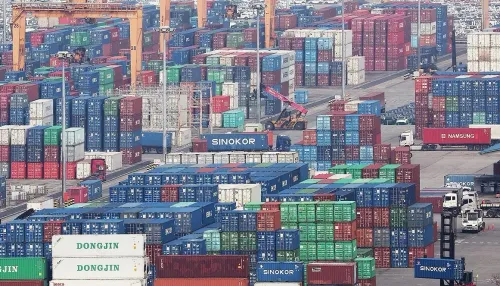
Chip exports surged 173.5% ; total exports hit US$85.9 billion , the second-highest monthly figure on record.
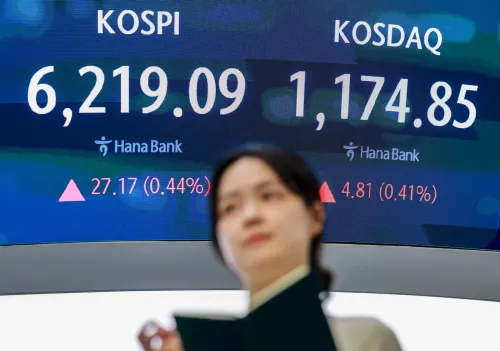
The KOSPI climbed from the 6,900 range to above 7,900 between early and mid-May.
South Korea's Q1 GDP grew 1.7% — the fastest quarterly expansion in more than five years.
The survey was based on 2,253 households polled from 8–15 May .
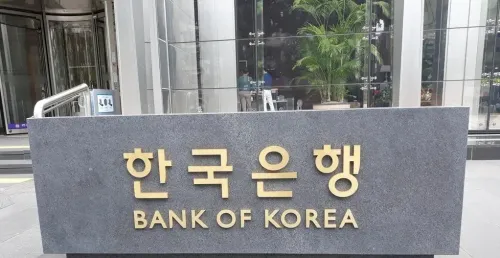
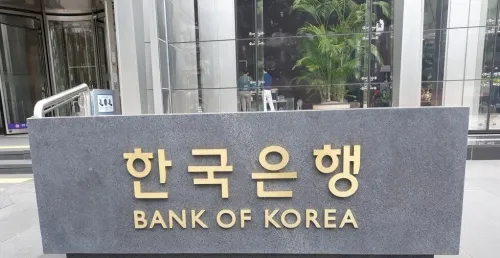
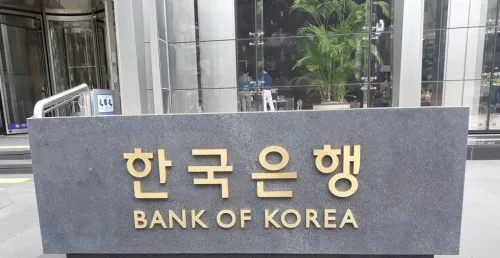
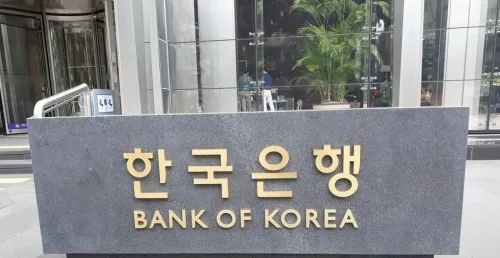
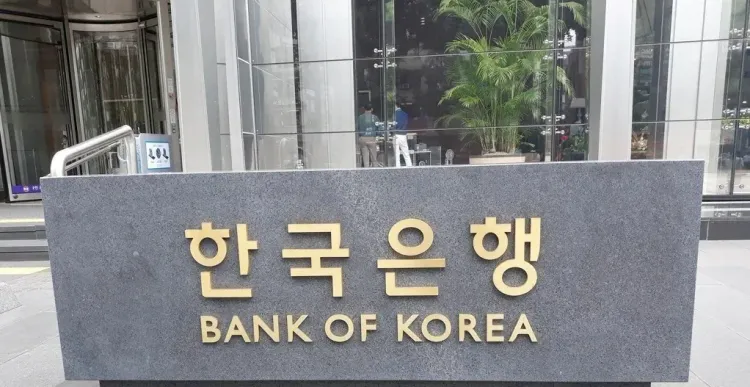
South Korea's composite consumer sentiment index (CCSI) surged to 106.1 in May 2025, climbing 6.9 points from April — the sharpest monthly gain in nearly a year — as booming semiconductor exports and a rallying stock market lifted household confidence, the Bank of Korea (BOK) said on Friday, 22 May. The reading crossed the 100-point threshold for the first time in two months, reversing back-to-back declines in March and April.
Key Developments
The 6.9-point on-month jump matches the largest single-month gain since June 2024. A CCSI reading above 100 signals that optimists outnumber pessimists among surveyed households; a reading below 100 indicates the reverse. The survey covered 2,253 households across the country between 8 and 15 May.
What Drove the Turnaround
'Optimism was supported by strong semiconductor shipments, better-than-expected first-quarter GDP growth and upward revisions to economic projections by major institutions, while the stock market rally also boosted sentiment,' a BOK official said.
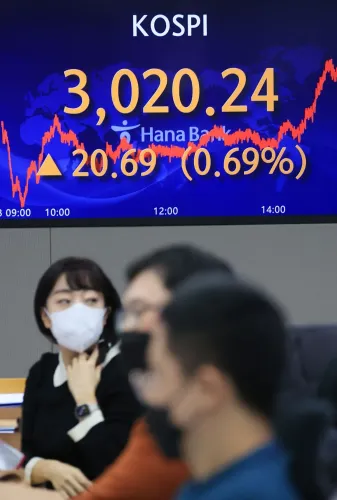
South Korea's exports expanded 48 percent year-on-year to US$85.9 billion in April, the second-highest monthly figure on record after March's US$86.6 billion. Chip exports alone spiked 173.5 percent, powering the broader export surge. The semiconductor boom simultaneously lifted the benchmark Korea Composite Stock Price Index (KOSPI), which climbed from the 6,900-point range at the start of May to above 7,900 by mid-month.
Sub-Index Readings
The subindex tracking households' assessment of current economic conditions rose 15 points to 83 in May — the largest on-month gain since October 2020. The future economic outlook subindex advanced 14 points to 93, supported by South Korea's first-quarter GDP growth of 1.7 percent, the strongest quarterly expansion in more than five years.
Context and What It Means
This comes amid a sustained global appetite for advanced semiconductors, with South Korea positioned as a primary supplier. The consecutive monthly declines in March and April had raised concerns about domestic demand, making the May rebound particularly significant for policymakers at the BOK. Notably, the scale of the CCSI recovery — driven largely by export-side tailwinds rather than domestic consumption — raises questions about how durable the sentiment improvement will be if global chip demand moderates.
Upward revisions to South Korea's growth forecasts by major international institutions have added to the optimism, signalling that the external environment remains broadly supportive heading into the second half of the year.
Point of View
But its foundation is narrower than the headline suggests. The jump is overwhelmingly driven by export-sector momentum — specifically a semiconductor supercycle that few economies can replicate — rather than a broad-based revival in domestic demand. The current-conditions subindex at 83 remains well below the optimism threshold of 100, even after its sharpest gain since October 2020. If global chip demand softens or US trade policy shifts, the sentiment tailwind could reverse quickly. The BOK will need to distinguish between export-led confidence and genuine domestic recovery before reading this as a green light for policy normalisation.
NationPress
20 Sept 2026
Frequently Asked Questions
What is the composite consumer sentiment index (CCSI) in South Korea?
The CCSI is a monthly survey-based index published by the Bank of Korea that measures household optimism about economic conditions. A reading above 100 means optimists outnumber pessimists; below 100 means the reverse.
Why did South Korea's consumer sentiment rise so sharply in May 2025?
The CCSI jumped 6.9 points to 106.1 in May 2025, driven by a 173.5% surge in semiconductor exports, a KOSPI stock market rally from 6,900 to above 7,900, stronger-than-expected Q1 GDP growth of 1.7%, and upward revisions to growth forecasts by major institutions.
How does May's CCSI reading compare to recent months?
The May reading of 106.1 reversed two consecutive monthly declines in March and April. The 6.9-point on-month gain is the largest since June 2024, when the index rose by the same margin.
What were the sub-index readings for current and future economic conditions?
The current economic conditions subindex rose 15 points to 83 in May — its biggest monthly gain since October 2020. The future economic outlook subindex climbed 14 points to 93, supported by South Korea's Q1 GDP growth of 1.7%.
How strong were South Korea's semiconductor exports in April 2025?
Chip exports spiked 173.5% year-on-year in April 2025, helping push total exports to US$85.9 billion — the second-highest monthly figure on record after March's US$86.6 billion.