CM Sai's Anjor Vision 2047: Chhattisgarh's Urban Roadmap
Synopsis
The Chhattisgarh CMO has positioned 'Anjor Vision 2047' as the state's official roadmap for urban growth, spotlighting a special real estate feature in the September 2026 'Chhattisgarh Janman' publication aligned with India's Viksit Bharat 2047 national framework.
Key Takeaways
Chhattisgarh Anjor Vision 2047 is the state government's declared roadmap for building a 'modern, well-organised and prosperous' Chhattisgarh.
The September 2026 edition of state publication 'Chhattisgarh Janman' carries a special article on real estate's role in a developed Chhattisgarh.
The vision prioritises urban development and real estate sector incentives as core pillars of state economic growth.
Anjor Vision 2047 is aligned with the national Viksit Bharat 2047 framework announced by the central government around 2023.
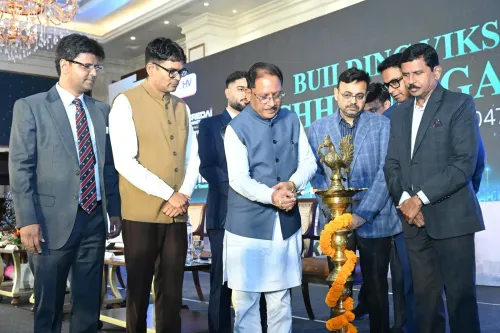
Chief Minister Vishnu Deo Sai , in office since December 2023 , is the face of Chhattisgarh's BJP-led development push.
Specific policy reforms and budget allocations under the vision are yet to be publicly detailed.
A state with vast mineral wealth and forest cover is now charting a blueprint for its cities. The Chief Minister's Office of Chhattisgarh on Wednesday, November 4, 2026, spotlighted 'Chhattisgarh Anjor Vision 2047' as the definitive roadmap for building a developed Chhattisgarh — with urban development and the real estate sector placed at the centre of that ambition.
The post, shared in Hindi, reads: 'Chhattisgarh Anjor Vision 2047 viksit Chhattisgarh ke nirmaan ka roadmap hai' — ('Chhattisgarh Anjor Vision 2047 is the roadmap for building a developed Chhattisgarh'). It calls out the government's continuous efforts to make the state 'modern, well-organised and prosperous' by incentivising urban development and the real estate sector.
September 2026 'Chhattisgarh Janman' issue on real estate's role
The CMO specifically directed citizens to the September 2026 edition of the state publication 'Chhattisgarh Janman', which carries a special article titled 'Viksit Chhattisgarh mein real estate ki badi bhumika' — ('Real estate's big role in a developed Chhattisgarh'). The magazine is accessible at cgjanman.in. It signals an intent to bring public-facing communication around the vision into mainstream policy discourse, not just bureaucratic circulars.
Anjor Vision 2047 within India's Viksit Bharat framework
Chhattisgarh is not operating in isolation. The state's Anjor Vision 2047 fits squarely within the national Viksit Bharat 2047 framework, which the central government articulated around 2023 as a roadmap for India to achieve developed-nation status by its centenary of independence. Several states have since released their own aligned long-term vision documents.
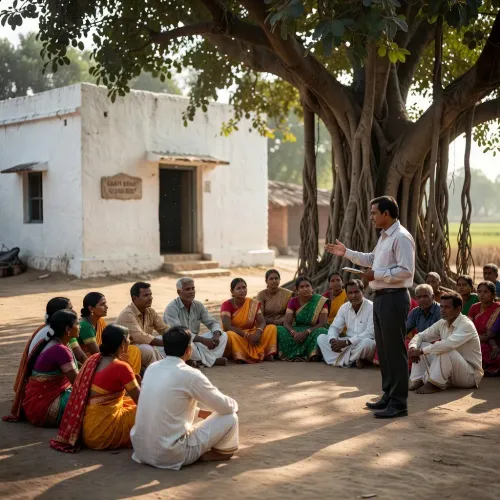
Chief Minister Vishnu Deo Sai, who assumed office in December 2023 leading the BJP government in the state, has anchored his administration's development narrative around this framework. Chhattisgarh — rich in minerals and forests but carrying significant urbanisation challenges alongside a large tribal population — presents a complex canvas for such ambitions. Bridging that gap between resource wealth and urban modernity is precisely what the vision document claims to address.
Real estate as an engine, not just a sector
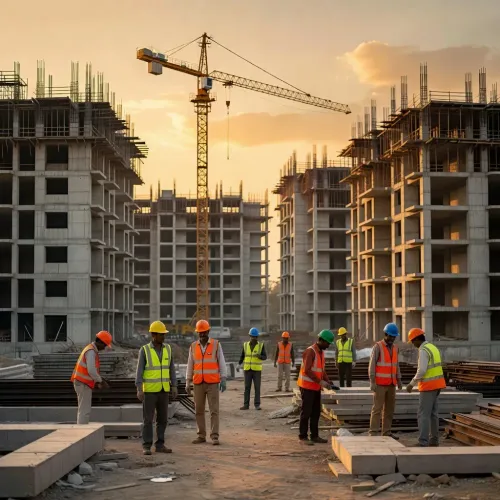
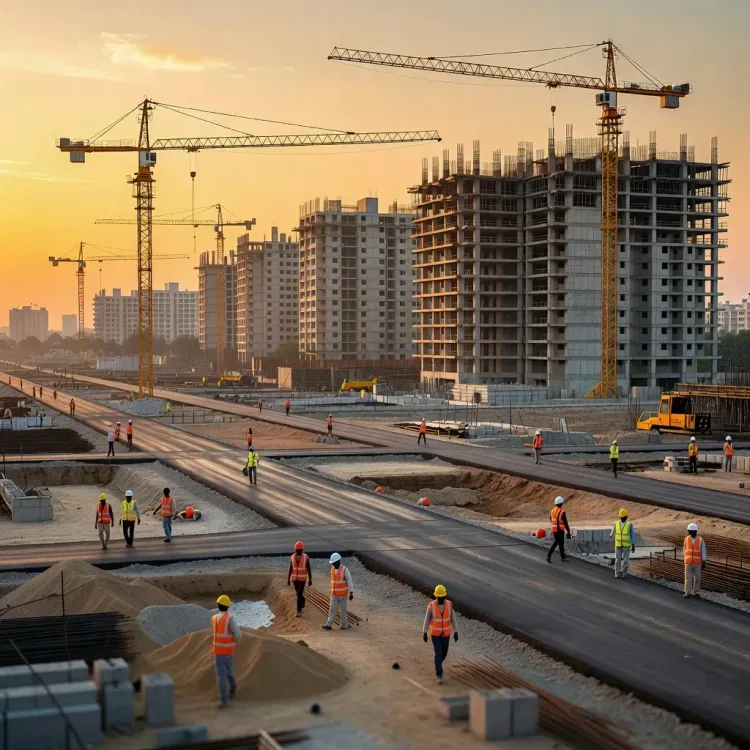
The deliberate focus on real estate is telling. Urban infrastructure and planned housing have become proxy indicators of economic expansion in India's tier-2 and tier-3 cities — and Chhattisgarh, with its capital Raipur expanding rapidly, sits squarely in that growth band. Incentivising the real estate sector is a lever governments pull to attract private capital into city-building: housing supply, commercial zones, logistics corridors, all rolled into one policy signal.
What specific budget allocations or regulatory reforms underpin the Anjor Vision's real estate push remains to be detailed in official policy documents. The scale of the commitment will ultimately be read in state budget lines and urban planning approvals — not magazine articles alone.
Chhattisgarh has set its sights on 2047. Whether Anjor Vision translates from a compelling roadmap into measurable urban transformation will depend on what gets built — not just what gets published.
Point of View
The Sai government is signalling a pivot from Chhattisgarh's traditional identity as a resource-extraction economy toward planned urbanisation — a shift that mirrors BJP-ruled states competing to attract private investment under the Viksit Bharat umbrella. The use of a state magazine to popularise the vision suggests a deliberate public-communication strategy ahead of potential budget announcements. However, the absence of specific legislative or regulatory details keeps this in the realm of vision-signalling rather than actionable policy. The real test will come when urban land-use rules, housing policy, and infrastructure budgets are aligned with the document's ambitions.
NationPress
4 Nov 2026
Frequently Asked Questions
What is Chhattisgarh Anjor Vision 2047?
'Chhattisgarh Anjor Vision 2047' is the state government's long-term development roadmap aimed at making Chhattisgarh a modern, well-organised and prosperous state by 2047, with urban development and real estate as key focus areas.
What is 'Chhattisgarh Janman' and where can I read it?
'Chhattisgarh Janman' is an official state government publication. The September 2026 issue features a special article on real estate's role in a developed Chhattisgarh and can be accessed at cgjanman.in.
How is Anjor Vision 2047 related to Viksit Bharat 2047?
Anjor Vision 2047 is Chhattisgarh's state-level roadmap aligned with the central government's Viksit Bharat 2047 framework, which aims for India to achieve developed-nation status by the centenary of its independence.
Who is Vishnu Deo Sai?
Vishnu Deo Sai is the Chief Minister of Chhattisgarh, leading the BJP government in the state since December 2023.
Why is real estate important for Chhattisgarh's development?
The state government views incentivising the real estate sector as a way to attract private capital into urban infrastructure, housing, and commercial development — key drivers of economic expansion in a rapidly urbanising state.