MRF Q2 FY27 profit falls 28% to ₹369 crore as raw material costs surge
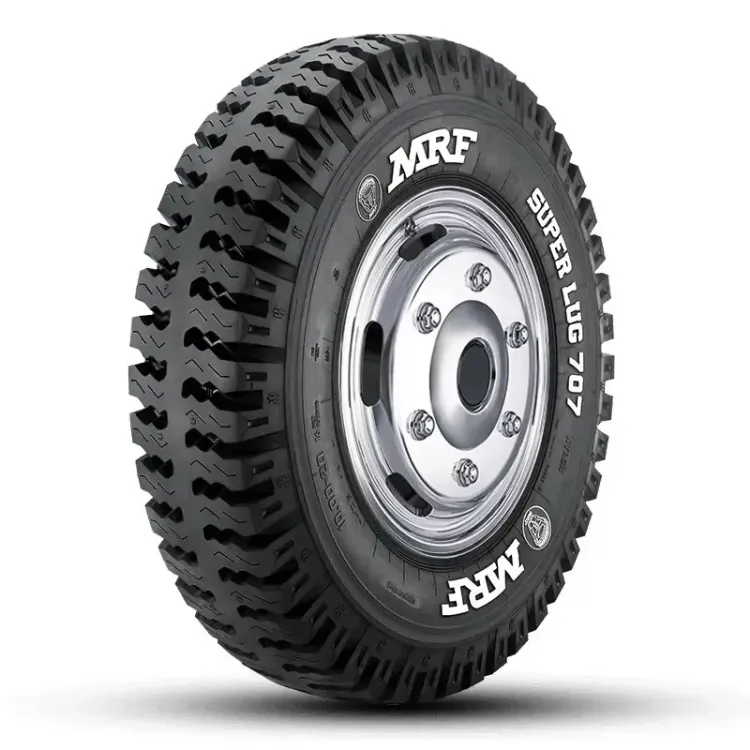
Synopsis
India's most expensive stock delivered a costly quarter — MRF's net profit cratered nearly 28% to ₹369 crore even as revenues surged 17.6%. The culprit: a near-43% spike in raw material costs that slashed EBITDA margins from 15% to 10.7% in one year. With tyre input costs showing no clear signs of cooling, the Q2 pain could extend into H2 FY27.
Key Takeaways
MRF Limited reported a consolidated net profit of ₹369 crore in Q2 FY27 , down 27.8% from ₹512 crore in Q2 FY26 .
Revenue from operations rose 17.6% year-on-year to ₹8,524 crore .
EBITDA fell 16.3% to ₹913 crore ; EBITDA margin compressed to 10.7% from 15% .
Raw material costs surged nearly 43% year-on-year to ₹6,552.57 crore , the primary drag on profitability.
Earnings per share declined to ₹912.46 from ₹1,243.60 in the year-ago quarter.
Board declared an interim dividend of ₹3 per share for FY27 , with 17 November as the record date.
MRF Limited, India's largest tyre maker by market capitalisation, on Tuesday reported a sharp 27.8% year-on-year decline in consolidated net profit to ₹369 crore for the second quarter of FY27 (July–September 2026), as a near-43% surge in raw material costs wiped out the gains from robust revenue growth. The results were disclosed in the company's regulatory filing with the stock exchanges.
Revenue Growth Fails to Protect Margins
Revenue from operations climbed 17.6% year-on-year to ₹8,524 crore in Q2 FY27, up from ₹7,250 crore in the corresponding quarter of the previous financial year. Despite the double-digit topline expansion, the bottom line compressed sharply as rising input costs overwhelmed the volume and pricing tailwinds. This widening gap between revenue growth and profit growth is a key concern for investors tracking the stock.
Operating Profit and Margins Under Pressure
Earnings before interest, tax, depreciation and amortisation (EBITDA) contracted 16.3% to ₹913 crore, down from ₹1,090 crore a year earlier, according to the company's stock exchange filing. The EBITDA margin narrowed to 10.7% from 15% in Q2 FY26 — a compression of more than 430 basis points in a single year.
Raw Material Costs: The Central Problem
Total expenses for the September quarter rose 21.8% to ₹8,269.77 crore, compared with ₹6,788.55 crore a year ago. The primary driver was raw material consumption, which jumped nearly 43% year-on-year to ₹6,552.57 crore, from ₹4,577.49 crore in Q2 FY26. Tyre manufacturing is heavily reliant on natural rubber, synthetic rubber, and carbon black — commodities that have seen significant price escalation in recent quarters. Profit before tax (PBT) fell to ₹521.81 crore from ₹700.45 crore in the year-ago period, while earnings per share (EPS) declined to ₹912.46 from ₹1,243.60.
Interim Dividend Declared
Despite the profit squeeze, MRF's board approved an interim dividend of ₹3 per share for FY27. The company has fixed 17 November as the record date for determining shareholders eligible to receive the payout. While the dividend reflects MRF's historically cautious but consistent shareholder return policy, analysts may note that the per-share payout is modest relative to the company's share price, which regularly trades above ₹1 lakh per share — the highest of any listed Indian stock.
What to Watch
The trajectory of natural rubber and crude-derivative input prices will be the decisive variable for MRF in the second half of FY27. If commodity costs moderate, margins could recover sharply given the company's strong pricing power and distribution reach. Any sustained pressure, however, could weigh further on earnings and prompt analysts to revise full-year estimates downward.
Point of View
A level that, if sustained, would mark a multi-year low and force a rethink of the premium valuation attached to this stock. The ₹3 interim dividend, while symbolically consistent, does little to address the fundamental question: when do input costs normalise, and can MRF pass on enough to protect FY27 earnings?
NationPress
10 Nov 2026
Frequently Asked Questions
What was MRF's net profit in Q2 FY27?
MRF reported a consolidated net profit of ₹369 crore in Q2 FY27 (July–September 2026), a decline of 27.8% from ₹512 crore in the same quarter of the previous financial year. The drop was driven primarily by a sharp rise in raw material costs.
Why did MRF's profit fall despite higher revenue?
Revenue grew 17.6% to ₹8,524 crore, but raw material consumption costs surged nearly 43% year-on-year to ₹6,552.57 crore, eroding operating margins. Total expenses rose 21.8% to ₹8,269.77 crore, outpacing revenue growth and squeezing the bottom line.
What happened to MRF's EBITDA margin in Q2 FY27?
MRF's EBITDA margin contracted sharply to 10.7% in Q2 FY27, down from 15% in Q2 FY26 — a compression of more than 430 basis points in a year. EBITDA in absolute terms fell 16.3% to ₹913 crore from ₹1,090 crore.
Has MRF declared any dividend for FY27?
Yes, MRF's board approved an interim dividend of ₹3 per share for FY27. The company has fixed 17 November as the record date for determining which shareholders are eligible to receive the payout.
What will determine MRF's earnings outlook for the rest of FY27?
The trajectory of key raw material costs — particularly natural rubber, synthetic rubber, and carbon black — will be the main variable. If input prices moderate in the second half of FY27, MRF's margins could recover given its strong pricing power; sustained cost pressure could prompt analysts to revise full-year earnings estimates downward.