Musk Aims to Dismiss OpenAI Leaders Amid Legal Dispute
Synopsis
Elon Musk is taking legal action against OpenAI, seeking to remove CEO Sam Altman and President Greg Brockman. This move aims to reverse the company's shift to a for-profit structure, raising significant questions about the future of the AI firm.
Key Takeaways
Elon Musk is pursuing legal action to remove OpenAI's leadership.
Musk aims to reverse OpenAI's shift to a for-profit model.
OpenAI describes the lawsuit as a harassment campaign.
The case highlights tensions in the AI industry.
Chinese AI models are rapidly gaining global market share.
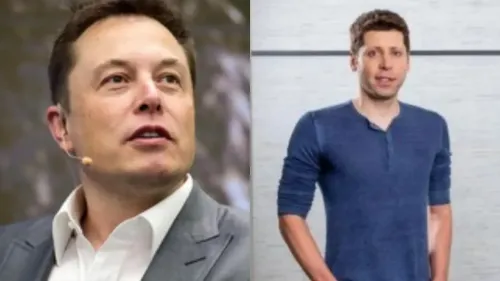
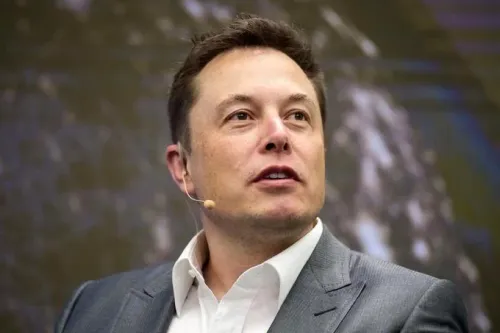
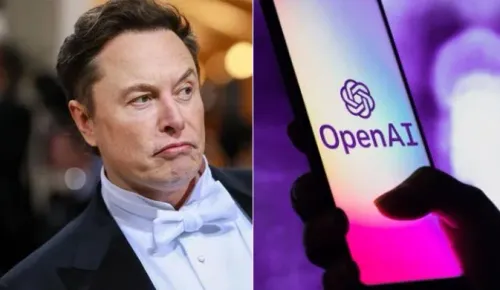
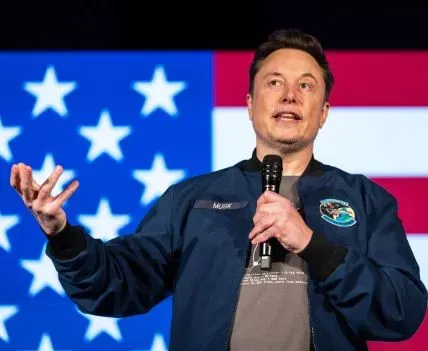
New Delhi, April 8 (NationPress) Elon Musk, a co-founder of OpenAI, is pursuing the ousting of current CEO Sam Altman and President Greg Brockman amid a legal dispute regarding the company's transition to a for-profit model, according to various reports.
In a court document submitted on Tuesday, Musk stated that his lawsuit seeks to overturn OpenAI's restructuring and reinstate its former status as a non-profit research entity.
He further requested that any compensation awarded in this case be allocated to OpenAI’s charitable division, emphasizing that this legal action is aimed at safeguarding a public charity from being overshadowed by private profit motivations.
Musk has launched a lawsuit against OpenAI and Microsoft, claiming that the organization has strayed from its foundational mission after accepting billions in funding and adopting a for-profit business strategy. He has previously indicated that he might pursue damages amounting to $134 billion.
However, OpenAI has dismissed these claims, characterizing the lawsuit as a “harassment campaign” motivated by “ego and jealousy,” intended to hinder a competitor.
This situation arises amid increasing friction between Musk and the leadership of OpenAI.
Just a day prior, OpenAI’s Chief Strategy Officer Jason Kwon had called on the attorneys general of California and Delaware to investigate Musk for alleged anti-competitive practices.
Musk co-established OpenAI in 2015 but stepped down from its board in 2018. In 2023, he initiated a competing AI venture, xAI.
Earlier this year, OpenAI turned down Musk’s unsolicited bid of $97.4 billion to acquire the assets of the non-profit entity that manages the company.
Subsequently, the AI organization has continued with its restructuring plans to secure more capital and potentially consider going public.
In a related report, it was noted that China's AI models have been rapidly increasing in global influence, raising alarms among U.S. officials regarding potential threats to national security, supply chains, and economic competitiveness. The report highlighted that Chinese AI systems, which constituted merely 1% of global workloads in late 2024, surged to nearly 30% by the conclusion of 2025.
Point of View
Elon Musk's legal challenge against OpenAI signifies a broader conflict surrounding the ethical implications of AI development and corporate structures. The outcome of this case could have far-reaching consequences not just for OpenAI, but for the entire landscape of the AI industry and its governance.
NationPress
26 Sept 2026
Frequently Asked Questions
Why is Elon Musk suing OpenAI?
Elon Musk is suing OpenAI to reverse its transition to a for-profit model and to remove CEO Sam Altman and President Greg Brockman, arguing that the company has deviated from its original non-profit mission.
What are Musk's claims against OpenAI?
Musk claims that OpenAI's shift to a for-profit structure compromises its foundational goals and has led to a focus on private profit over public benefit.
How has OpenAI responded to Musk's lawsuit?
OpenAI has dismissed Musk's lawsuit as a harassment campaign driven by ego and jealousy, aimed at slowing down competition.
What was Musk's role in OpenAI?
Elon Musk co-founded OpenAI in 2015 but left its board in 2018, later starting a competing AI venture, xAI.
What implications does this legal battle have for AI?
The outcome of this legal battle may influence the future regulatory landscape of AI development and funding, posing questions about the balance between profit and public good.