How Are Nepal and India Expanding Cooperation in Agriculture?
Synopsis
Nepal and India are set to enhance their agricultural collaboration with a new biennial action plan aimed at achieving concrete results. This initiative, announced on December 29, 2023, includes partnerships in research, livestock, and infrastructure. Discover how these neighboring nations are strengthening their ties through agriculture.
Key Takeaways
Nepal and India are creating a biennial action plan for agricultural collaboration.
Agreements aim to enhance cooperation in livestock, poultry, and fisheries .
Both nations will work closely on agricultural research and infrastructure.
Recognition of Nepali product testing will facilitate exports.
Future meetings will focus on expanding cooperation in modern agricultural practices.
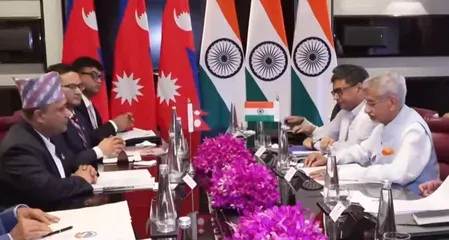
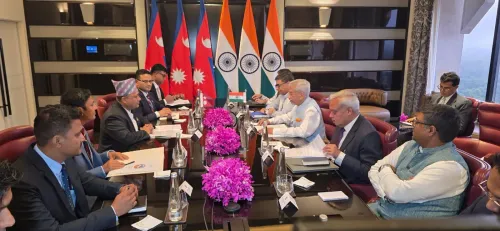
Kathmandu, Dec 29 (NationPress) Nepal and India have come to an agreement to develop and execute a biennial action plan within the upcoming three months, aiming to convert bilateral agricultural cooperation agreements into tangible results, as stated by Nepal’s Ministry of Agriculture and Livestock Development on Monday.
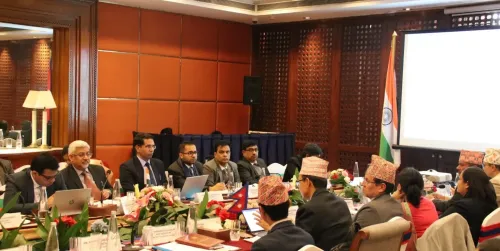
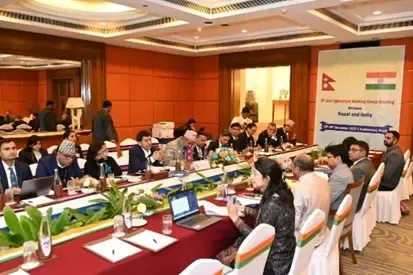
During the ninth session of the Nepal-India Joint Agriculture Working Group, which took place in Kathmandu on Sunday and Monday, both nations also resolved to enhance collaboration among agricultural universities and research organizations, including the Indian Council of Agricultural Research (ICAR) and the Nepal Agricultural Research Council (NARC), by formulating specific action plans as outlined in a ministry statement.
The two countries additionally agreed to collaborate in the livestock, poultry, and fisheries sectors, formalized through a separate memorandum of understanding.
Both sides reached agreements to streamline logistical processes to ensure the uninterrupted supply of chemical fertilizers, boost cooperation in agricultural infrastructure development, and maintain regular communication among relevant agencies to address technical challenges associated with food quality and quarantine.
The Indian delegation reaffirmed its commitment to enhance collaboration with Nepal in agricultural research, technology transfer, and infrastructure development as part of its “Neighbourhood First” policy.
Reflecting on the accomplishments of bilateral cooperation, the Nepali representatives informed their Indian counterparts that a total of 92,766 doses of semen have been produced from 15 top-quality Murrah male buffaloes provided by the Indian government.
This assistance, which aimed to improve indigenous buffalo breeds, stemmed from an agreement made during the visit of former Nepal Prime Minister Pushpa Kamal Dahal to New Delhi in 2023, when the Indian side donated the high-quality buffaloes.
The Nepali representatives expressed gratitude to the Indian government for its significant contribution to Nepal’s livestock development and breed enhancement, as noted by the ministry.
During the discussions, the Nepali side praised India’s recognition of laboratory tests for eight categories of Nepali agricultural products and urged for the expansion of this list.
In April, India officially acknowledged test certificates issued by Nepal’s National Food and Feed Reference Laboratory for the first time, facilitating the export of select Nepali food products tested domestically. Nepal also requested unrestricted access for its agricultural products to the Indian market, according to the ministry.
Comprehensive discussions were held regarding the expansion of cooperation in modern areas such as digital agriculture, climate-resilient farming, natural farming systems, and food security, as reported by the ministry.
The two nations also agreed that the tenth meeting of the Joint Agriculture Working Group will take place in India on dates to be determined through mutual agreement.
The meeting was jointly led by Hari Bahadur K.C., Joint Secretary at Nepal’s Ministry of Agriculture and Livestock Development, and Pramod Kumar Meherda, Additional Secretary at India’s Ministry of Agriculture and Farmers’ Welfare.
Point of View
Showcasing the potential for mutual growth in the agriculture sector. As both countries emphasize the importance of agricultural development, this partnership could lead to enhanced food security and improved livelihoods for farmers in the region.
NationPress
24 Sept 2026
Frequently Asked Questions
What is the main objective of the Nepal-India agricultural cooperation?
The main objective is to formulate and implement a biennial action plan to ensure that bilateral agricultural cooperation agreements lead to tangible results.
Which institutions are involved in this agricultural collaboration?
The collaboration involves agricultural universities and research institutions, including the Indian Council of Agricultural Research (ICAR) and the Nepal Agricultural Research Council (NARC).
What sectors will see enhanced cooperation?
Enhanced cooperation will occur in the livestock, poultry, and fisheries sectors, along with infrastructural development.
How many doses of semen have been produced from the donated buffaloes?
A total of 92,766 doses of semen have been produced from 15 high-quality Murrah male buffaloes donated by India.
What was India’s recent recognition concerning Nepali agricultural products?
In April, India officially recognized test certificates issued by Nepal’s National Food and Feed Reference Laboratory, allowing the export of select Nepali food products.