NHAI barrier-free tolling lifts net revenue 19.84% at 7 plazas
Synopsis
Barrier-less tolling generated about ₹89.23 crore more in net revenue than the pre-MLFF benchmark across seven plazas, according to the road transport ministry. Two newer plazas were excluded from the assessment ending 31 October 2026.
Key Takeaways
Seven MLFF-enabled plazas generated about ₹538.95 crore in net revenue as of 31 October 2026 , the ministry said.
The figure was 19.84% above the pre-MLFF benchmark of around ₹449.72 crore .
The system was first launched at Choryasi Fee Plaza in Gujarat on 1 May 2026 .
Nemili and Chenasamudram began operating in November 2026 and were excluded from the revenue assessment.
About 60% of the value of e-notices issued across the plazas has been realised, according to the ministry.
NHAI's barrier-less tolling system increased net revenue by 19.84% across seven operational fee plazas, the Ministry of Road Transport & Highways said on 23 November 2026. The ministry said collections reached approximately ₹538.95 crore as of 31 October 2026, compared with a pre-implementation benchmark of around ₹449.72 crore.
The difference of about ₹89.23 crore came alongside higher transaction volumes and lower collection costs, according to the official statement. The National Highways Authority of India (NHAI) has progressively introduced the Multi-Lane Free Flow (MLFF) system at fee plazas after its initial launch in Gujarat.
Revenue comparison across seven plazas
The ministry's assessment covers seven MLFF-enabled plazas and compares their cumulative net revenue with a benchmark from before the system was introduced. It attributed improved collection efficiency and coverage to the technology, saying these helped reduce revenue leakage and improve recovery of applicable user fees.
The figures do not include the Nemili and Chenasamudram plazas, which became operational in November 2026, after the assessment's 31 October cut-off. The statement did not provide a plaza-wise breakdown of the revenue comparison.
How barrier-less tolling affects travel
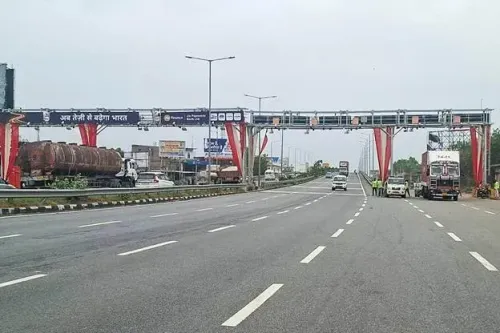
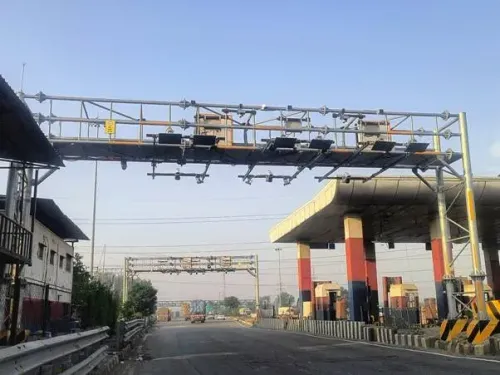
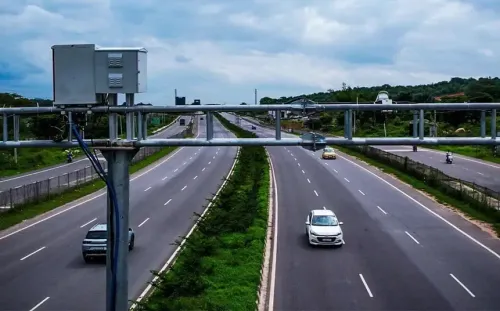
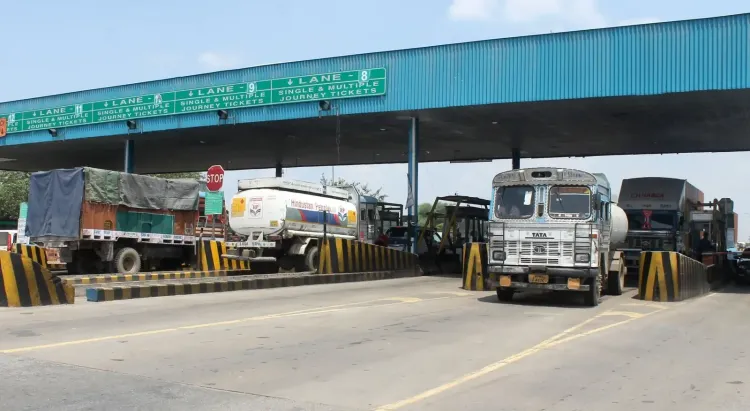
MLFF is designed to collect tolls without requiring vehicles to stop at a plaza. The ministry said the system enables smoother vehicle movement and can reduce congestion, travel time, fuel consumption and vehicular emissions.
Those stated benefits matter to highway users because conventional toll stops can interrupt journeys, while the revenue figures provide a separate measure of collection performance. The statement did not give quantified figures for time, fuel or emissions savings.
Rollout from Choryasi to other fee plazas
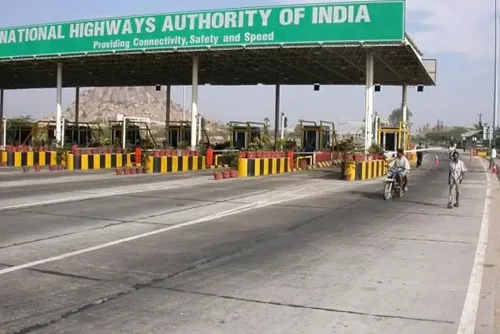
The system was first launched at Choryasi Fee Plaza in Gujarat on 1 May 2026, according to the ministry. It was subsequently expanded to eight additional fee plazas: Mundka, Daulatpura, Gharaunda, Manoharpora, Shahjahanpur, Paranur, Nemili and Chenasamudram.
The rollout therefore includes nine named plazas, while the reported revenue assessment covers seven. The difference reflects the later start of operations at Nemili and Chenasamudram.
Enforcement and unpaid tolls
About 60% of the value of e-notices issued across the plazas has been realised, the ministry said. It described the recovery as evidence that technology-enabled enforcement can collect user fees from vehicles that initially evade payment.
Police check posts have also been established at certain MLFF locations, including Gharaunda Fee Plaza, to intercept and challan vehicles found masking, concealing or tampering with their registration numbers. As operations continue at the newer plazas, their collections will be relevant to assessing the system beyond the 31 October 2026 comparison.
Point of View
But revenue alone cannot establish the full benefit for road users. Public reporting should also track comparable travel times, collection costs and the accuracy of e-notices. As the network expands, transparent data on disputed notices and enforcement would help ensure efficiency does not come at the expense of accountability.
NationPress
23 Nov 2026
Frequently Asked Questions
How much did NHAI barrier-less tolling increase revenue?
Net revenue rose 19.84% across seven operational plazas compared with a pre-MLFF benchmark, according to the road transport ministry. Collections were about ₹538.95 crore as of 31 October 2026, against a benchmark of approximately ₹449.72 crore.
What is Multi-Lane Free Flow tolling?
Multi-Lane Free Flow tolling is a barrier-less system designed to collect tolls without requiring vehicles to stop at a plaza. The ministry says it can reduce congestion and travel time.
Where was NHAI's barrier-less tolling first launched?
The system was first launched at Choryasi Fee Plaza in Gujarat on 1 May 2026. It was subsequently expanded to eight additional fee plazas.
Why were Nemili and Chenasamudram excluded from the revenue figures?
Nemili and Chenasamudram became operational in November 2026, after the 31 October cut-off for the cumulative revenue assessment.
How are unpaid tolls enforced under MLFF?
The system uses e-notices to recover user fees, and police check posts have been established at certain MLFF locations. The ministry said about 60% of the value of e-notices issued across the plazas had been realised.