Nifty Pharma slumps 1.85% as Trump unveils phased tariff plan on generic drug imports
Synopsis
Trump's phased tariff plan — duty-free until 2026, then 100% in 2028 and 200% in 2029 — has landed like a thunderbolt on Indian pharma, one of America's largest generic drug suppliers. With a two-year transition window analysts call too short and US manufacturing costs 25–30% higher than India, the sector faces a structural reckoning that Wednesday's 1.85% selloff may only begin to price in.
Key Takeaways
Nifty Pharma index fell 1.85 per cent to 25,610 on 22 July , the worst-performing sectoral index on the NSE .
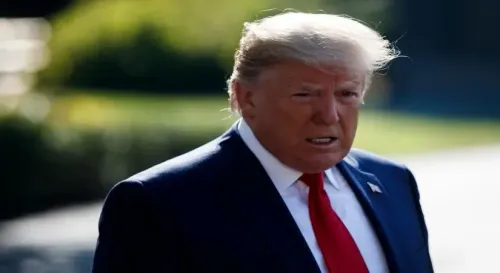
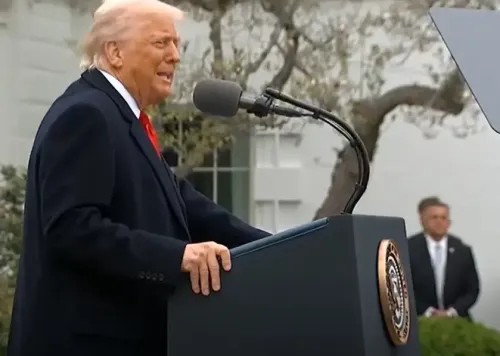
US President Donald Trump announced a phased tariff on generic drug imports: duty-free until 1 August 2026 , rising to 100 per cent from 1 August 2028 , and 200 per cent a year later.
Gland Pharma led losses at 4.54 per cent ; Glenmark , Aurobindo Pharma , and Zydus Lifesciences also fell sharply.
Analysts estimate US generic manufacturing costs are 25–30 per cent higher than in India , making rapid production relocation difficult.
Tariffs on patented and branded medicines remain unchanged under Trump 's plan.
The Nifty50 also declined, falling 169 points or 0.70 per cent to 24,017 in early trade.
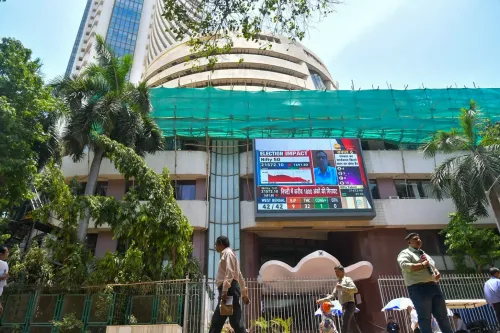
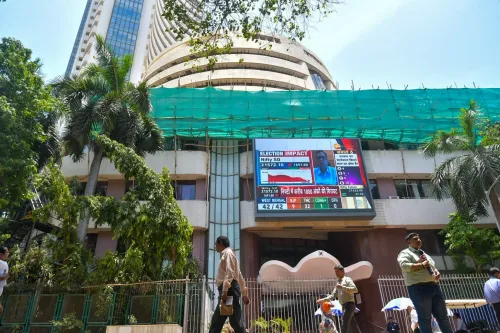
India's Nifty Pharma index tumbled 1.85 per cent to 25,610 on Wednesday, 22 July, making it the worst-performing sectoral index on the National Stock Exchange (NSE), after US President Donald Trump announced a staggered tariff regime targeting imported generic medicines. The selloff was broad-based, with the benchmark Nifty50 also sliding 169 points or 0.70 per cent to 24,017 in early trade.
What Trump's Tariff Plan Entails
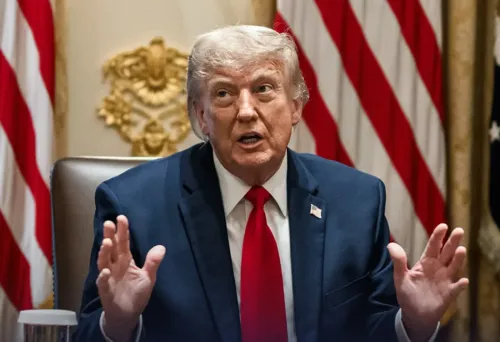
Under the phased policy announced by Trump on Truth Social, generic drug imports into the United States will remain duty-free for two years from 1 August 2026. Tariffs will then rise sharply to 100 per cent from 1 August 2028, and escalate further to 200 per cent a year later. Trump stated the policy is designed to incentivise pharmaceutical manufacturing to relocate to the US, while clarifying that tariffs on patented and branded medicines will remain unchanged.
Stocks Hit Hardest
Gland Pharma led sectoral losses, declining 4.54 per cent. Glenmark fell 3 per cent, Aurobindo Pharma dropped 2.89 per cent, and Zydus Lifesciences shed approximately 2.28 per cent. Ajanta Pharma, Sun Pharma, Alkem Laboratories, Dr Reddy's Laboratories, Mankind Pharma, and Divi's Laboratories also traded lower by 1.3 to 3 per cent. Among Nifty50 constituents, Cipla, Sun Pharma, and Dr Reddy's were among the top early losers, down approximately 1.29 to 1.95 per cent.
Why Indian Pharma Is Exposed
India is among the largest global suppliers of affordable generic medicines to the US, making its drugmakers acutely sensitive to any shift in American trade policy. The announcement triggered immediate concern over long-term revenue visibility for companies that derive a significant share of earnings from US generics. This comes amid a broader pattern of Trump's administration deploying tariffs as a tool to reshore manufacturing across sectors — from steel to semiconductors — and pharma is now squarely in that crosshair.
Analyst View: Transition Window Is Too Narrow
Some analysts noted that producing generic medicines in the US would cost an estimated 25–30 per cent more than manufacturing in India, raising questions about the economic viability of a rapid production shift. Critics argue that the two-year transition window before the 100 per cent tariff kicks in is insufficient for Indian manufacturers to meaningfully scale up US-based capacity. Notably, the policy's success hinges on whether American facilities can be built and certified within the regulatory timelines set by the US Food and Drug Administration.
What Happens Next
Markets will watch for any formal legislative or executive order detailing the tariff framework, as well as any diplomatic response from New Delhi. Indian pharmaceutical companies are likely to reassess their US market strategies, potentially accelerating investments in US-based manufacturing partnerships. The sector's near-term trajectory will depend heavily on how quickly clarity emerges on implementation and whether any exemptions are carved out for essential medicines.
Point of View
But it may not yet be pricing in the full structural risk. Indian generic manufacturers have spent two decades building US market share on a cost advantage that Trump's tariff ladder is designed to erase. The two-year grace period sounds generous until you factor in FDA approval timelines for new US facilities — typically three to five years. More consequentially, a 200% tariff by 2029 would make Indian generics economically unviable in the US market almost overnight, threatening the affordable-medicine supply chains that American patients depend on. The contradiction at the heart of this policy — raising drug costs to lower them — is one that markets, and eventually Washington, will have to confront.
NationPress
22 Jul 2026
Frequently Asked Questions
What is Trump's tariff plan on generic drug imports?
US President Donald Trump has announced a phased tariff regime under which generic drug imports into the US will remain duty-free until 1 August 2026, then rise to 100 per cent from 1 August 2028, and escalate to 200 per cent a year later. The policy is aimed at encouraging pharmaceutical manufacturers to shift production to the United States. Tariffs on patented and branded medicines are not affected.
Why did Nifty Pharma fall on 22 July?
The Nifty Pharma index fell 1.85 per cent to 25,610 on 22 July after Trump's tariff announcement triggered a broad selloff in Indian pharmaceutical stocks. India is one of the largest suppliers of affordable generic medicines to the US, making its drugmakers highly vulnerable to changes in American trade policy.
Which pharma stocks were hit the hardest?
Gland Pharma led losses with a decline of 4.54 per cent. Glenmark fell 3 per cent, Aurobindo Pharma dropped 2.89 per cent, and Zydus Lifesciences shed about 2.28 per cent. Cipla, Sun Pharma, and Dr Reddy's Laboratories were among the top Nifty50 losers, down 1.29 to 1.95 per cent.
Can Indian pharma companies shift manufacturing to the US within two years?
Analysts are sceptical. Producing generic medicines in the US costs an estimated 25–30 per cent more than in India, and FDA approval timelines for new manufacturing facilities typically extend well beyond the two-year transition window Trump's plan provides. Critics argue the timeline is structurally insufficient for meaningful capacity relocation.
What should investors in pharma stocks watch next?
Investors should track any formal executive or legislative order detailing the tariff framework, potential diplomatic engagement between New Delhi and Washington, and company-level announcements on US manufacturing investments or market-strategy revisions. Any carve-outs for essential medicines could materially alter the sector's exposure.