Trump's generic drug tariff plan: 0% now, 100% in 2028, 200% after
Synopsis
Trump's phased generic drug tariff — zero per cent until 2028, then 100 per cent, then 200 per cent — is the most aggressive US reshoring push in pharmaceutical history. But with no exemption pathway announced for companies already building US plants, the policy's execution details could matter as much as its headline numbers.
Key Takeaways
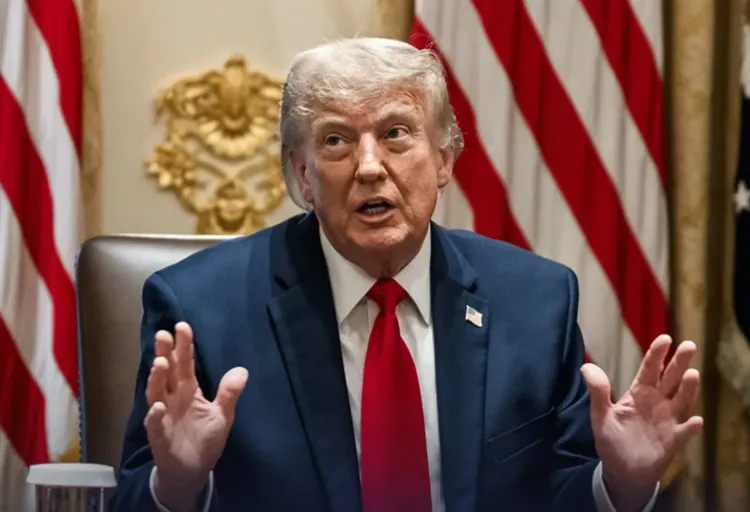
President Donald Trump announced a phased tariff on imported generic drugs on 22 July 2025 .
Generic drug imports will face zero tariff for two years from 1 August 2026 , then 100 per cent for one year, and 200 per cent thereafter.
The policy aims to reshore generic pharmaceutical manufacturing to the United States .
No specific countries or companies were named; administration details and exemption criteria have not been published.
Branded and patented drug policy was described as unchanged and 'successful' by Trump.
Global generic manufacturers — including major exporters in India and China — face significant supply-chain decisions within the two-year window.
US President Donald Trump on 22 July 2025 announced a phased tariff structure for imported generic medicines, giving overseas pharmaceutical manufacturers a two-year window starting 1 August 2026 to shift production to the United States before facing duties as steep as 200 per cent. The policy represents one of the most sweeping attempts by any US administration to reshore generic drug manufacturing.
How the Tariff Timeline Works
Under the structure announced by Trump, generic drug imports will continue to enter the US at a zero per cent tariff for two years from 1 August 2026. After that window closes, a 100 per cent duty will apply for one year, followed by a permanent 200 per cent tariff on all imported generic medicines.
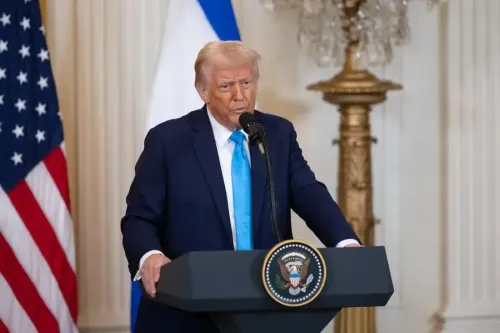
Trump outlined the phased approach directly in a social media post on Tuesday: 'Effective August 1st, 2026, all Generic Drugs being brought into the United States will continue to have a TARIFF of ZERO PERCENT for a two year period of time, after which the TARIFF will be raised to 100% for a one year period of time, and 200% thereafter.'
The Stated Objective: Reshoring Drug Production
The president framed the tariff escalation as a penalty mechanism for companies that choose not to invest in American manufacturing. 'This is done in order to RESHORE Generic Pharmaceutical Production into America, with a penalty to those Companies that decide not to build Plant and Equipment within the stated period of time given to them,' Trump said.
He added that the policy's overarching aim was consumer protection: 'The objective of this Policy is to protect the people of the United States.' Trump also claimed that pharmaceutical facility construction across the country was already accelerating at 'a level never seen before.'
Key Gaps in the Announcement
Trump's statement did not name any specific country or company, and offered no details on how the tariff regime would be administered. Crucially, it left unanswered whether manufacturers that begin building US plants during the two-year grace period would qualify for any exemption — or whether production would need to be fully operational before higher duties take effect.
These ambiguities are significant for global generic drug suppliers, many of whom operate large-scale facilities in India and China that serve the US market. The absence of an exemption pathway for companies mid-construction could create regulatory uncertainty during the transition window.
Branded Drugs Treated Separately
Trump drew a distinction between the new generic drug timeline and his administration's existing approach to patented and branded pharmaceuticals. 'The Policy on Patented, Branded, or Innovative Drugs, which has been so successful, will remain as is,' he said, without elaborating on what that existing policy entails or how it differs structurally.
What Happens Next
The announcement sets a firm calendar — 1 August 2026 as the start of the zero-tariff window — but regulatory implementation details, including any exemption frameworks, are yet to be published. Global generic drug manufacturers, particularly those in India and China with significant US export exposure, will be watching closely for follow-up guidance from the US Food and Drug Administration and trade authorities. The policy, if implemented as announced, would fundamentally reshape the economics of generic drug supply chains serving the American market.
Point of View
But building a compliant pharmaceutical manufacturing facility in the US — from permitting to FDA approval — routinely takes longer than that. Trump's announcement sets a hard clock without a credible exemption framework, which means companies that act in good faith could still face 100 per cent duties mid-construction. India's generic drug exporters, who supply roughly 40 per cent of US generic volume, face the sharpest exposure. The bigger question mainstream coverage is missing: whether this policy survives legal challenge under WTO commitments the US still formally holds, and whether Congress will act to codify or constrain it.
NationPress
21 Oct 2026
Frequently Asked Questions
What is Trump's new generic drug tariff policy?
President Trump announced on 22 July 2025 that imported generic medicines will face a phased tariff structure beginning 1 August 2026: zero per cent for two years, then 100 per cent for one year, and 200 per cent indefinitely after that. The policy is designed to pressure pharmaceutical companies into building manufacturing facilities inside the United States.
When do the generic drug tariffs take effect?
The zero-tariff window begins on 1 August 2026 and lasts two years. The 100 per cent tariff would then apply for one year, followed by a 200 per cent duty. No tariffs on generic imports are changing before August 2026.
Which countries or companies are affected?
Trump's announcement did not name any specific country or company. However, major generic drug exporters to the US — particularly manufacturers based in India and China — are most directly exposed, given their large share of US generic drug supply.
Will companies building US plants get an exemption?
Trump's announcement did not specify whether companies that begin constructing US facilities during the two-year grace period would qualify for any tariff exemption. This is one of the key unanswered questions that follow-up regulatory guidance will need to address.
How does this differ from Trump's policy on branded drugs?
Trump stated that the policy on 'Patented, Branded, or Innovative Drugs' would remain unchanged, describing it as 'successful.' The new phased tariff structure applies specifically to generic medicines and introduces a different timeline and escalation mechanism not applied to branded pharmaceuticals.