US generic drug tariffs: Limited near-term hit for Indian pharma firms
Synopsis
The US has set a ticking clock for Indian generic drugmakers — zero tariffs until mid-2028, then a jump to 100 per cent, then 200 per cent. With Indian firms supplying nearly half of all US generic prescriptions and $9.47 billion in FY26 exports at stake, the transition window is real but finite. Sun Pharma, Dr Reddy's, and three others with 35-50 per cent US revenue exposure have the most to navigate.
Key Takeaways
The US tariff plan keeps generic medicine imports at zero tariff until 31 July 2028 , then rises to 100 per cent and 200 per cent in successive years.
India exported $9.47 billion in pharma products to the US in FY26 , nearly 30 per cent of total pharma exports.
Indian companies supply roughly 47 per cent of all generic prescriptions dispensed in the US .
25 leading listed pharma companies posted EBITDA margins of 26.1 per cent in FY26, with revenue growth of around 11 per cent .
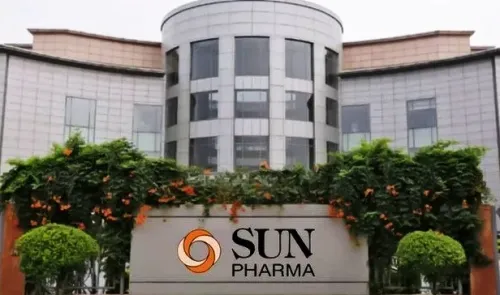
Sun Pharma , Dr Reddy's Laboratories , Aurobindo Pharma , Zydus LifeSciences , and Lupin derive 35–50 per cent of revenues from the US and face relatively higher pressure.
US revenue share for seven leading companies fell to 33.4 per cent in FY26 from 36.8 per cent in FY25, reflecting active diversification.
The phased tariff structure announced by the US administration on imported generic medicines is expected to have a limited impact on the credit profiles of Indian pharmaceutical companies over the next two financial years, according to an analysis by Infomerics Ratings released on Saturday, 25 July 2025. The built-in transition period, which keeps tariffs at zero until 31 July 2028, gives Indian drugmakers a window to recalibrate strategy without immediate financial damage.
Scale of the US Market for Indian Pharma
The United States remains one of the most critical export destinations for Indian drugmakers. India exported pharmaceutical products worth $9.47 billion to the US in FY26, representing nearly 30 per cent of the country's total pharma exports, according to the Infomerics analysis. Indian companies currently supply approximately 47 per cent of all generic prescriptions dispensed in the US — a market where generic medicines account for around 90 per cent of prescriptions filled but only about 13 per cent of total prescription drug spending.
Tariff Timeline and What It Means
Under the announced plan, generic medicine imports into the US will face zero tariff through 31 July 2028. From 1 August 2028, the rate rises to 100 per cent for one year, before escalating further to 200 per cent from 1 August 2029 — unless manufacturers establish production facilities on US soil. The staggered escalation is precisely what Infomerics argues limits near-term credit risk, giving companies roughly three years to adapt.
Why Shifting Manufacturing to the US Is Not Simple
Rohit Inamdar, Chief Ratings Officer at Infomerics Ratings, cautioned that relocating production is far from straightforward. 'Shifting the manufacturing base to the US will have multiple challenges considering supply chain complexities, regulatory approvals, upfront capital expenditure requirements and the overall cost-benefit equation,' he said. A further structural constraint is that key starting materials and active pharmaceutical ingredients (APIs) are largely produced in India and China through well-established supply chains that would be difficult to replicate in the US in the near term.
Financial Health and Revenue Diversification
Infomerics' analysis of 25 leading listed pharmaceutical companies showed healthy EBITDA margins of 26.1 per cent in FY26, though this moderated from 28.3 per cent in FY25. Revenue grew around 11 per cent during the year, and debt protection metrics remained comfortable. Notably, Indian pharma companies have progressively diversified their revenue base — expanding into domestic markets, Europe, and emerging markets including South Africa, Mexico, Brazil, and Russia. As a result, the share of US business for seven leading companies declined to 33.4 per cent in FY26, down from 36.8 per cent in FY25.
Companies With Higher US Exposure Face Greater Pressure
Despite the sector-wide resilience, companies with heavier reliance on the US market face relatively greater risk. Sun Pharma, Dr Reddy's Laboratories, Aurobindo Pharma, Zydus LifeSciences, and Lupin derive between 35 and 50 per cent of their revenues from the US and could face comparatively higher pressure if tariff escalation proceeds as announced. How these firms navigate the transition window — through pricing adjustments, supply chain restructuring, or US manufacturing investments — will be closely watched by credit analysts and investors alike.
Point of View
But the three-year window is shorter than it looks. Establishing US manufacturing — with FDA approvals, supply chain buildout, and capital expenditure — typically takes five to seven years. Companies that read the zero-tariff window as breathing room rather than a hard deadline risk being caught flat-footed in 2028. The deeper structural issue is API dependency on India and China: even firms that invest in US finishing facilities may find their upstream supply chain remains tariff-exposed. The sector's diversification story is real but uneven — the five high-exposure names represent the bulk of Indian pharma's US revenue, and their credit trajectories will diverge sharply from the sector average if tariff escalation is not reversed or renegotiated.
NationPress
24 Oct 2026
Frequently Asked Questions
What is the US generic drug tariff plan and how does it affect Indian pharma companies?
The US administration has announced a phased tariff on imported generic medicines that starts at zero through 31 July 2028, rises to 100 per cent from 1 August 2028, and escalates to 200 per cent from 1 August 2029 unless manufacturers set up US production facilities. According to Infomerics Ratings, the near-term credit impact on Indian pharmaceutical companies is expected to be limited due to this built-in transition period.
How large is India's pharmaceutical export market in the US?
India exported pharmaceutical products worth $9.47 billion to the US in FY26, accounting for nearly 30 per cent of the country's total pharma exports. Indian companies supply approximately 47 per cent of all generic prescriptions dispensed in the US.
Which Indian pharma companies face the highest risk from US tariffs?
Sun Pharma, Dr Reddy's Laboratories, Aurobindo Pharma, Zydus LifeSciences, and Lupin are identified as facing relatively higher pressure, as they derive between 35 and 50 per cent of their revenues from the US market.
Why can't Indian pharma companies simply shift manufacturing to the US?
Rohit Inamdar, Chief Ratings Officer at Infomerics Ratings, noted that relocating manufacturing involves supply chain complexities, regulatory approvals, upfront capital expenditure, and an uncertain cost-benefit equation. Key starting materials and active pharmaceutical ingredients (APIs) are largely produced in India and China through established supply chains that are difficult to replicate in the US quickly.
How are Indian pharma companies managing their dependence on the US market?
Indian pharmaceutical companies have been diversifying into domestic markets, Europe, and emerging markets such as South Africa, Mexico, Brazil, and Russia. The US revenue share for seven leading companies declined to 33.4 per cent in FY26 from 36.8 per cent in FY25, reflecting a deliberate reduction in US dependency.