Nifty falls 49 points as MPC holds repo rate at 5.25%
Synopsis
The RBI’s MPC held the repo rate at 5.25% unanimously — and markets responded with a muted decline. The real story is the flanking move: expanded NRI and OCI equity limits and a wider Fully Accessible Route for government bonds, signalling that the central bank is leaning on foreign capital to shore up domestic markets even as it stays cautious on rates.
Key Takeaways
Nifty50 fell 49.85 points (0.21%) to close at 23,366.70 on 5 June .
Sensex slipped 116.67 points (0.16%) to end at 74,243.34 .
The MPC unanimously held the repo rate at 5.25% , maintaining a neutral stance.
RBI raised equity investment limits for NRIs and OCIs and expanded the Fully Accessible Route (FAR) for government securities.
Hindalco Industries , Wipro , and Trent were the top Nifty losers; IT and metal sectors led sectoral declines.
Key Nifty levels: resistance at 23,450–23,550 ; support at 23,250 .
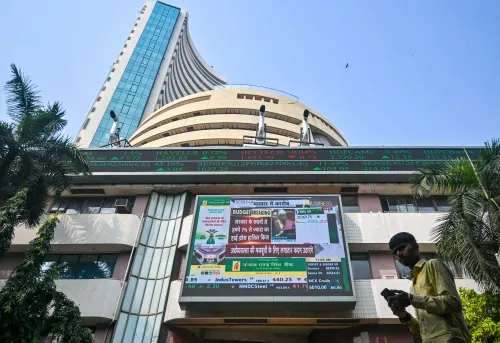
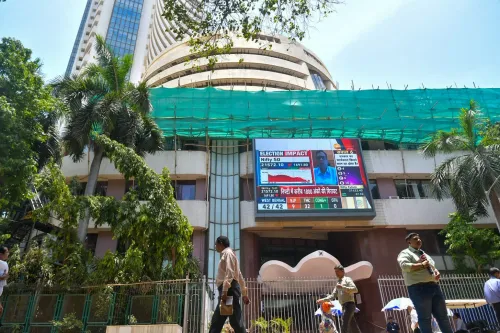
Indian equity markets closed in the red on Friday, 5 June as investors digested the Monetary Policy Committee (MPC) decision to hold the policy repo rate unchanged at 5.25% and continued to weigh mounting global economic uncertainties. The cautious mood kept both benchmark indices under pressure through the session.
How the Indices Closed
The Nifty50 declined 49.85 points, or 0.21%, to settle at 23,366.70. The BSE Sensex slipped 116.67 points, or 0.16%, to close at 74,243.34. Broader markets were equally subdued, with the Nifty MidCap index shedding 0.35% and the Nifty SmallCap index easing 0.06%.
Top Losers and Sectoral Trends
Among individual stocks, Hindalco Industries, Wipro, and Trent were the steepest decliners within the Nifty basket. Sectorally, IT and metal stocks bore the brunt of the selling, while the media sector managed to outperform the broader market — a rare bright spot in an otherwise weak session.
What the MPC Decided
The Reserve Bank of India's (RBI) Monetary Policy Committee voted unanimously to keep the repo rate at 5.25%, maintaining a neutral stance amid rising global macro uncertainties. Alongside the rate decision, the RBI announced measures to attract greater foreign inflows into domestic financial markets. These include raising investment limits in equities for Non-Resident Indians (NRIs) and Overseas Citizens of India (OCIs), as well as expanding the list of government securities eligible under the Fully Accessible Route (FAR).
Market Outlook and Key Levels
Analysts noted that the 23,450–23,550 band continues to serve as an immediate resistance zone for the Nifty. “A sustained breakout above this band could improve market sentiment and open the door for a recovery toward the 23,750–23,800 levels,” an analyst said. On the downside, 23,250 is flagged as a critical near-term support; holding above it will be key to preserving the current market structure.
Investor Sentiment
Market experts described the session as a “balancing act” between growth support and macroeconomic stability. “Today’s market action suggests investors are interpreting the RBI policy as a balancing act between growth and macroeconomic stability,” one expert said. With global cues still uncertain, the near-term direction of domestic equities is likely to hinge on fresh international data and any follow-through from the RBI’s foreign-inflow measures.
Point of View
The burden of recovery falls on sectors with domestic demand drivers — and that story needs more than a neutral rate stance to gain traction.
NationPress
24 Sept 2026
Frequently Asked Questions
What did the MPC decide on 5 June regarding the repo rate?
The Monetary Policy Committee voted unanimously to keep the policy repo rate unchanged at 5.25%, maintaining a neutral stance. The decision reflected caution amid rising global economic uncertainties.
How much did the Nifty and Sensex fall on 5 June?
The Nifty50 declined 49.85 points (0.21%) to settle at 23,366.70, while the Sensex fell 116.67 points (0.16%) to close at 74,243.34. Broader indices — MidCap and SmallCap — also ended in the red.
What new measures did the RBI announce alongside the rate decision?
The RBI announced an increase in equity investment limits for Non-Resident Indians (NRIs) and Overseas Citizens of India (OCIs), and expanded the list of government securities available under the Fully Accessible Route (FAR). Both steps are aimed at boosting foreign inflows into Indian financial markets.
Which stocks and sectors were the worst hit?
Hindalco Industries, Wipro, and Trent were the top individual losers in the Nifty. Sectorally, IT and metal stocks led the decline, while the media sector outperformed the broader market.
What are the key Nifty levels to watch after this session?
Analysts identify 23,450–23,550 as the immediate resistance zone; a sustained move above it could open a rally toward 23,750–23,800. On the downside, 23,250 is the critical support level whose breach could weaken the current market structure.