Tata Sons listing could change group's core character: Noel Tata
Synopsis
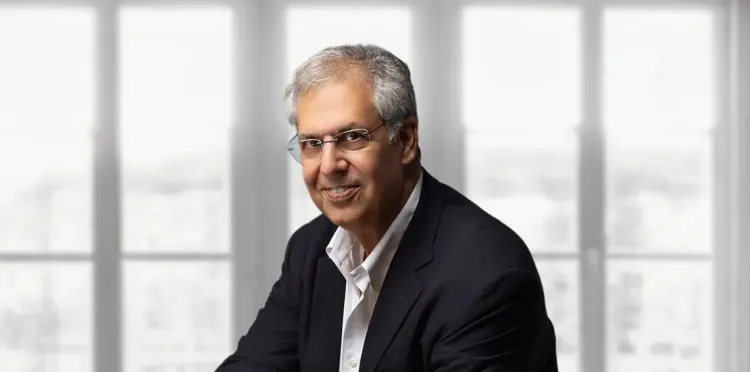
Noel Tata has gone public with his opposition to a Tata Sons listing, warning it could hollow out the group's philanthropic identity — a rare moment of open dissent at the top of India's most iconic conglomerate. With the RBI shutting the door on a CIC exit and Shapoorji Pallonji pushing for a float, the Tata Group is facing a governance reckoning that could redefine how it operates for decades.
Key Takeaways
Tata Trusts Chairman Noel Tata warned on 14 November 2026 that listing Tata Sons could fundamentally alter the group's character and philanthropic mission.
Tata Trusts holds approximately two-thirds of Tata Sons and has resisted a public float.
Shapoorji Pallonji Group , a minority shareholder, has advocated listing to unlock value from its stake.
The RBI rejected Tata Sons' bid to exit its core investment company (CIC) status, narrowing options to avoid a mandatory listing.
Noel has also reportedly opposed the extension of Chairman N.
Chandrasekaran's tenure and board steps toward listing preparation.
He backed Tata Group's focus on semiconductors , EV batteries , and national infrastructure but flagged execution discipline as a key challenge.
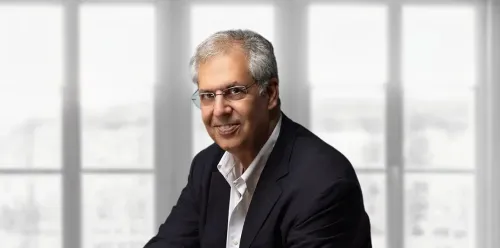
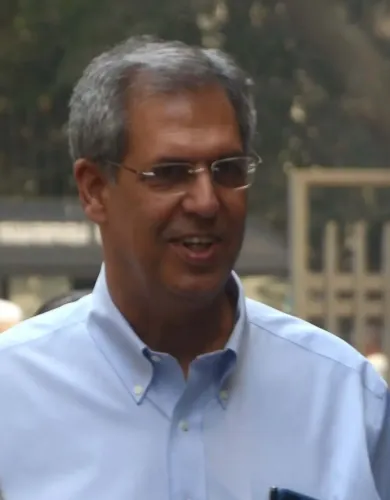
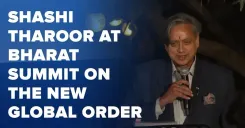
Tata Trusts Chairman Noel Tata on Saturday, 14 November 2026, cautioned that a stock market listing of Tata Sons — the holding company of the $165 billion Tata Group — could fundamentally alter the conglomerate's character, priorities, and long-standing values. Speaking at the HT Leadership Summit 2026 in New Delhi, he argued that the entry of thousands of public shareholders could gradually shift the organisation away from philanthropy and long-term institution building.
Why Noel Tata Opposes a Public Float
Noel emphasised that the Tata Group's distinctive ownership structure — with Tata Trusts holding approximately two-thirds of Tata Sons — has been central to preserving the group's values across generations. He warned that a market listing could undermine this model, potentially subordinating philanthropic goals to short-term shareholder returns.
He added that Tata Trusts would engage with regulators and other stakeholders to explore alternatives that protect the principles on which the conglomerate was founded. Notably, this is a rare instance of a senior Tata insider publicly articulating structural concerns about the group's governance direction.
The Regulatory and Shareholder Fault Lines
The debate over Tata Sons' ownership structure has sharpened in recent months. The Reserve Bank of India (RBI) had earlier rejected Tata Sons' request to exit its core investment company (CIC) status — a decision that significantly narrowed the group's options for avoiding a mandatory stock market listing under regulations applicable to upper-layer non-banking financial companies.
Minority shareholder Shapoorji Pallonji Group has long advocated a listing to unlock value from its stake, putting it at odds with Tata Trusts' resistance to a public float. This divergence has deepened fault lines within the Tata ecosystem over its future direction.
Internal Governance Differences
Noel has also reportedly opposed certain recent board-level decisions, including preparatory steps toward a potential listing and the extension of Chairman N. Chandrasekaran's tenure. These positions highlight broader differences over corporate governance and strategic priorities within the group's leadership.
At the same time, Noel expressed support for the Tata Group's core strategic bets — including semiconductors, electric vehicle batteries, and other large-scale national infrastructure plays — while stressing that execution discipline and capital allocation remain critical challenges that must be addressed for these ambitions to materialise.
Philanthropy and Scale: A Delicate Balance
Noel reiterated that the group's twin priorities of philanthropy and national development remain intact. However, he underlined that successfully delivering large-scale projects would demand stronger operational discipline than the group has historically demonstrated at comparable scale.
As regulatory deadlines and shareholder pressures converge, the Tata Group faces a defining structural decision — one that will shape not just its ownership model, but potentially the template for how Indian conglomerates balance public accountability with institutional mission.
Point of View
And the internal opposition to Chandrasekaran's tenure extension suggests the fault lines go beyond the listing question. What mainstream coverage underplays is that Tata Trusts' philanthropic model — which funds hospitals, universities, and rural development at scale — is directly contingent on the group's ownership remaining insulated from short-term market pressures. If a listing becomes unavoidable, the real question is not valuation but whether India's most consequential private philanthropic architecture can survive contact with quarterly earnings culture.
NationPress
14 Nov 2026
Frequently Asked Questions
Why is Noel Tata opposed to a Tata Sons stock market listing?
Noel Tata argues that a public listing of Tata Sons would bring in thousands of retail and institutional shareholders whose short-term return expectations could gradually erode the group's historic priorities of philanthropy and long-term institution building. He stressed that the group's distinctive ownership structure — anchored by Tata Trusts — has been key to preserving its values across generations.
What is Tata Sons' ownership structure and why does it matter?
Tata Sons is the principal holding company of the $165 billion Tata Group, with Tata Trusts owning approximately two-thirds of it. This structure allows philanthropic goals to take precedence over pure profit maximisation — a model Noel Tata argues would be fundamentally compromised by a public float.
Why did the RBI's decision increase pressure for a Tata Sons listing?
The Reserve Bank of India rejected Tata Sons' request to exit its core investment company (CIC) status. Under regulations applicable to upper-layer non-banking financial companies, this refusal significantly narrowed the group's options for avoiding a mandatory stock exchange listing.
What is the Shapoorji Pallonji Group's position on a Tata Sons listing?
Shapoorji Pallonji Group, a minority shareholder in Tata Sons, has advocated a listing to unlock value from its stake — a position that puts it in direct conflict with Tata Trusts, which has consistently resisted a public float on the grounds that it would alter the group's character.
What internal governance disputes has Noel Tata flagged within the Tata Group?
Beyond the listing question, Noel has reportedly opposed board decisions including preparatory steps toward a potential listing and the extension of Chairman N. Chandrasekaran's tenure. These positions reflect deeper differences over governance direction and strategic priorities within the group's leadership.