NSE IPO listing: CEO Ashish Chauhan says debut met expectations, investors gained
Synopsis
After years of anticipation, NSE finally went public — and its CEO says it delivered. Shares closed at ₹1,818 on debut, giving IPO investors a near 1.8% gain over the issue price, while NSE's market cap touched ₹4.5 lakh crore. The listing of the world's largest derivatives exchange by volume is a watershed moment for India's capital markets.
Key Takeaways
NSE made its stock market debut on 24 September 2026 , listing on the BSE .
Shares closed at ₹1,818 , about 1% above the listing price and 1.8% above the issue price of ₹1,785 .
Intra-day, the stock surged more than 5% before settling lower at close.
NSE's market capitalisation stood at nearly ₹4.5 lakh crore at end of trading.
CEO Ashish Kumar Chauhan called the outcome 'good' for both selling shareholders and IPO investors.
NSE now handles nearly 30 crore trades daily, up from around 700 at inception 32 years ago.
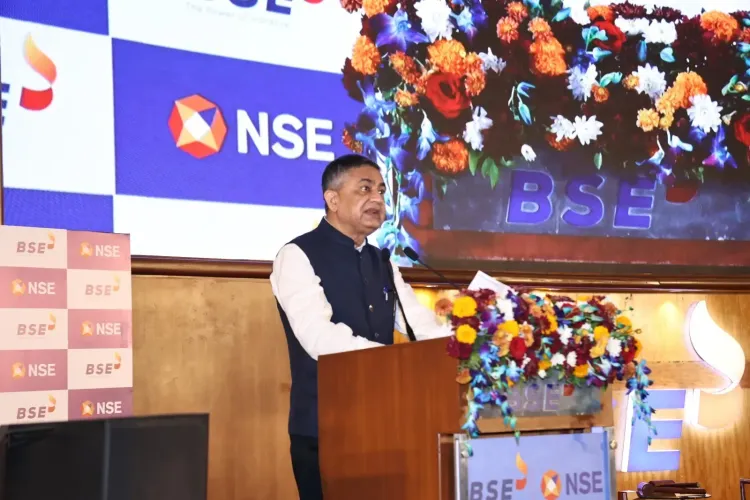
The National Stock Exchange (NSE) made its long-awaited stock market debut on Thursday, with Managing Director and CEO Ashish Kumar Chauhan declaring the listing a fair outcome for all stakeholders — from selling shareholders to retail investors who participated in the public issue.
How NSE Shares Performed on Debut
NSE shares closed at ₹1,818 apiece on 24 September 2026, approximately 1% above the listing price and nearly 1.8% higher than the issue price of ₹1,785. Despite a muted opening, the stock surged more than 5% during intra-day trade before paring some gains. At the close, NSE commanded a market capitalisation of nearly ₹4.5 lakh crore, underscoring its position as one of India's most valuable financial institutions.
What the CEO Said
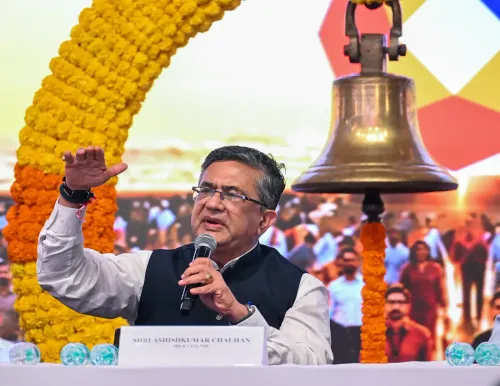
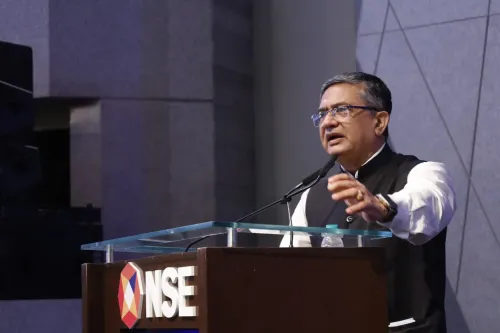
'The post-listing price has ensured that selling shareholders received a fair valuation, while investors who participated in the IPO also earned profits. Overall, I believe it has been a good outcome,' Chauhan said after the listing on the BSE.
Chauhan also traced NSE's remarkable three-decade journey, noting that the exchange has grown from handling around 700 trades in its early days to nearly 30 crore trades daily. 'Its profitability has continued to grow year after year. As India's economy expands, NSE's growth will also continue alongside it,' he said.
Why NSE Listed on BSE, Not Itself
One of the more technically noteworthy aspects of the debut was the decision to list on rival platform BSE rather than its own exchange. Chauhan acknowledged that several global exchanges are self-listed, but noted that India's regulatory framework currently favours exchanges listing on a separate bourse. He indicated NSE would continue presenting its views on this matter to regulators and policymakers as opportunities arise.
Subsidiaries and Future Plans
On the question of whether NSE's subsidiaries could follow with their own IPOs, Chauhan was cautious, saying there are no current plans to take them public. However, he left the door open, adding that if any subsidiary grows significantly and regulators call for a listing, the exchange would consider it. Chauhan also praised Prime Minister Narendra Modi's economic leadership, crediting the government with establishing a strong economic framework that has supported the exchange's expansion.
Significance of the NSE Listing
NSE's listing is a landmark event for India's capital markets, ending years of anticipation around when the world's largest derivatives exchange by volume would itself become a publicly traded entity. This comes amid a broader deepening of India's equity markets, with retail investor participation and daily trading volumes reaching historic highs in recent years. The listing also brings greater regulatory scrutiny and transparency requirements to an institution that sits at the very centre of India's financial infrastructure.
Point of View
After a 5% intra-day spike, suggests initial euphoria tempered by the reality that at ₹4.5 lakh crore market cap, the margin of safety for new investors is thin. Chauhan's framing of the outcome as 'fair for all' is diplomatically careful — IPO investors gained under 2%, which is modest for a listing of this scale and pent-up demand. The more consequential question is whether NSE's listing accelerates the push to allow exchanges to self-list, a structural debate that regulators have so far sidestepped.
NationPress
24 Sept 2026
Frequently Asked Questions
What happened on NSE's IPO listing day?
NSE shares debuted on the BSE on 24 September 2026 and closed at ₹1,818, about 1.8% above the issue price of ₹1,785. The stock gained over 5% intra-day before paring gains, and the exchange ended the session with a market capitalisation of nearly ₹4.5 lakh crore.
What did NSE CEO Ashish Chauhan say about the listing?
Chauhan said the listing met expectations and was a good outcome for all stakeholders. He noted that selling shareholders received a fair valuation and that investors who participated in the IPO earned profits.
Why did NSE list on BSE instead of its own exchange?
India's current regulatory framework requires stock exchanges to list on a separate bourse rather than themselves, which is why NSE listed on the BSE. Chauhan acknowledged that self-listing is common globally and said NSE would continue to present its views to regulators on the matter.
Will NSE's subsidiaries also go public?
NSE CEO Ashish Chauhan said there are currently no plans to list the exchange's subsidiaries. He added that if any subsidiary grows significantly and regulators deem it necessary, NSE would consider a public listing at that stage.
How has NSE grown since its founding?
NSE was founded 32 years ago and initially handled around 700 trades. Today, the exchange processes nearly 30 crore trades daily and has grown into one of the world's largest derivatives exchanges by volume, with a market cap of nearly ₹4.5 lakh crore as of its listing day.