NSE IPO: SBI, LIC set for massive gains as exchange files DRHP with SEBI
Synopsis
NSE's long-awaited IPO filing has finally landed — and the numbers are staggering. SBI bought its NSE shares for ₹0.80 each and could now sell them at roughly ₹2,000 apiece. With LIC holding a 10.72% stake it isn't selling, the listing will put a public price on one of India's most valuable unlisted assets for the first time.
Key Takeaways
NSE filed its DRHP with SEBI and BSE on 18 June , moving closer to a landmark IPO listing.
SBI plans to sell 2.475 crore shares ; acquired at ₹0.80 per share , the stake is worth nearly ₹5,000 crore at the assumed ₹2,000 IPO price.
LIC , NSE 's largest shareholder with a 10.72% stake, is not selling but its holding will gain a public market valuation for the first time.
Bank of Baroda , Stock Holding Corporation , New India Assurance , National Insurance , United India Insurance , and GIC Re are all among the selling shareholders, with combined proceeds running into thousands of crore.
Final IPO price and valuation will be determined closer to the issue launch date.
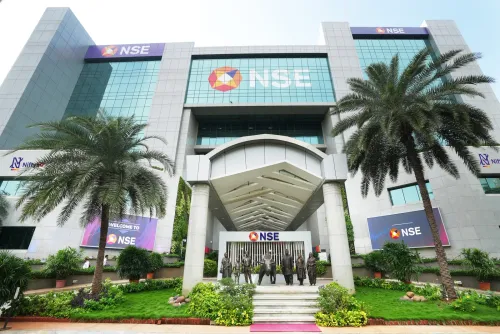
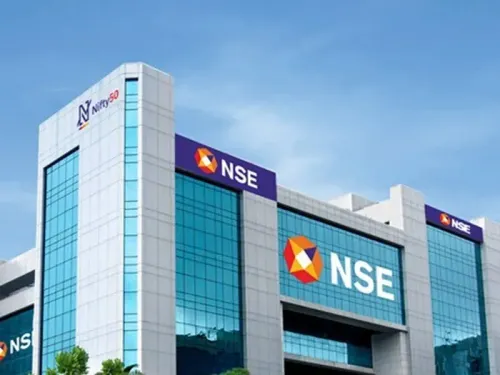
The proposed initial public offering (IPO) of the National Stock Exchange (NSE) is set to unlock substantial gains for a clutch of state-owned financial institutions, with State Bank of India (SBI) and Life Insurance Corporation of India (LIC) among the most prominent beneficiaries, according to reports. NSE filed its draft red herring prospectus (DRHP) with the Securities and Exchange Board of India (SEBI) and the BSE on Wednesday, 18 June, marking a significant step toward one of India's most anticipated market listings.
SBI's Extraordinary Return on Investment
SBI plans to divest 2.475 crore shares through the offer for sale (OFS) component of the IPO. At an assumed price of approximately ₹2,000 per share, the divestment would be valued at nearly ₹5,000 crore, according to disclosures in the DRHP. Notably, SBI acquired its NSE shares at a weighted average cost of just ₹0.80 per share — implying a return of roughly 2,500 times the original investment at the assumed IPO price.
LIC's Embedded Value in the Spotlight
Life Insurance Corporation of India (LIC) holds a 10.72 per cent stake in NSE, making it the exchange's largest single shareholder. Despite not being listed among the selling shareholders in the proposed IPO, LIC's holding is expected to attract significant investor attention as a proxy for the insurer's unlisted asset value. The IPO effectively puts a public market price on a stake that has until now been carried at historical cost on LIC's books.
Other Public Sector Institutions Set to Monetise
Several other government-backed institutions that supported NSE in its formative years are also positioned for substantial gains at the assumed ₹2,000 per share price:
Bank of Baroda, with a weighted average acquisition cost of ₹0.54 per share, is set to sell shares worth approximately ₹2,197 crore. Stock Holding Corporation of India Ltd. is expected to monetise holdings worth around ₹2,178 crore, having acquired its shares at just ₹0.46 per share.
Among public sector insurers, The New India Assurance Company and National Insurance Company both acquired their NSE shares at a weighted average cost of ₹0.32 per share. At the assumed IPO price, New India Assurance's offered shares would be worth around ₹2,100 crore, while National Insurance Company's stake would fetch nearly ₹1,200 crore. United India Insurance Company, with an acquisition cost of ₹0.50 per share, is set to sell shares worth approximately ₹1,200 crore. General Insurance Corporation of India (GIC Re), which acquired its shares at a weighted average cost of ₹5.26 per share, would monetise holdings worth more than ₹2,131 crore.
What Happens Next
The DRHP filing with SEBI initiates the regulatory review process. The final IPO valuation and price band will be determined closer to the issue launch, meaning all figures cited above remain indicative. NSE's shares, once listed, will trade on the BSE — an unusual but procedurally necessary arrangement given that NSE itself is an exchange. This listing is widely regarded as one of the most consequential in India's capital markets history, given NSE's dominant position in equity and derivatives trading.
Point of View
000 per share is extraordinary by any measure, and it raises a pointed question: why did the government not monetise these holdings sooner? LIC's decision to stay out of the OFS is notable — it retains the upside of a post-listing re-rating, but also signals confidence in NSE's long-term value. The more critical watch is whether SEBI's review surfaces any residual governance concerns from NSE's co-location controversy, which has never been fully resolved in the public mind. A clean regulatory clearance would be as important as the price band.
NationPress
19 Sept 2026
Frequently Asked Questions
What is the NSE IPO and why is it significant?
The NSE IPO is the proposed public listing of the National Stock Exchange of India, the country's largest stock exchange by trading volume. It is significant because NSE has been one of India's most valuable unlisted companies for years, and its listing will provide a public market price for stakes held by several state-owned institutions.
How much will SBI gain from the NSE IPO?
At an assumed IPO price of ₹2,000 per share, SBI's planned divestment of 2.475 crore shares would be worth nearly ₹5,000 crore. SBI originally acquired its NSE shares at a weighted average cost of just ₹0.80 per share, representing an extraordinary return on its early investment.
Why is LIC's NSE stake attracting attention despite it not selling shares?
LIC holds a 10.72% stake in NSE, making it the exchange's largest shareholder, but it is not among the selling shareholders in the IPO. The listing will nonetheless place a public market valuation on LIC's holding for the first time, highlighting significant embedded value on the insurer's balance sheet.
Which other public sector institutions are selling NSE shares in the IPO?
Bank of Baroda, Stock Holding Corporation of India, The New India Assurance Company, National Insurance Company, United India Insurance Company, and General Insurance Corporation of India (GIC Re) are all among the selling shareholders, with proceeds at the assumed price ranging from ₹1,200 crore to over ₹2,197 crore per institution.
When will the NSE IPO price be finalised?
The final IPO price band will be determined closer to the issue launch date. NSE filed its DRHP with SEBI on 18 June, initiating the regulatory review process; all valuations cited currently are based on an assumed price of ₹2,000 per share and remain indicative.