Nvidia loses $1.57 trillion in market value amid AI fears and CEO probe
Synopsis
Nvidia has erased more value than Tesla's entire market cap — $1.57 trillion — in a sell-off that blends AI spending doubt with a CEO embroiled in an affair, a foreign intelligence probe, and questions over chip diversions to China. With earnings due 17 November, the reckoning is just beginning.
Key Takeaways
Nvidia has lost approximately $1.57 trillion in market capitalisation, with shares down 26.6 per cent from their 52-week high of $243.37 .
The stock closed at $178.67 on 9 November , with the company's market cap at $4.31 trillion , down from roughly $5.88 trillion at peak.
The value wiped out exceeds Tesla's entire market capitalisation of approximately $1.49 trillion .
CEO Jensen Huang acknowledged an extramarital affair with a former executive of Singapore-based Megaspeed , which reportedly acquired nearly $2 billion worth of Nvidia chips.
Nvidia's board has launched an independent investigation after reports Huang was targeted in a foreign intelligence operation; the FBI is also reportedly looking into the matter.
Nvidia's quarterly earnings are scheduled for 17 November , with investors watching for AI demand signals and export compliance updates.
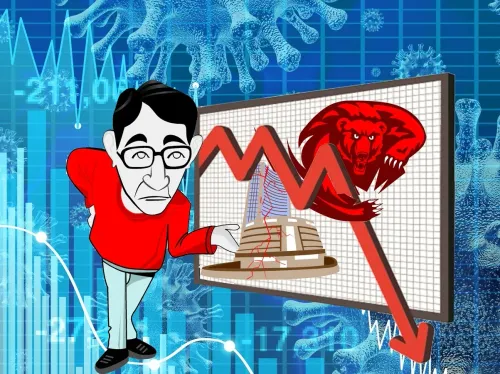
Nvidia, the world's most valuable chipmaker, has shed approximately $1.57 trillion in market capitalisation after its shares tumbled more than 26 per cent from their 52-week high, entering bear-market territory. The rout — driven by investor anxiety over artificial intelligence spending sustainability and mounting scrutiny around Chief Executive Officer Jensen Huang — has wiped out a sum larger than the entire market value of electric vehicle giant Tesla.
Scale of the Market Rout
Nvidia's market capitalisation stood at $4.31 trillion at the close of trading on 9 November, down sharply from roughly $5.88 trillion when its shares hit a 52-week peak of $243.37. The stock closed at $178.67 on 9 November, a decline of around 26.6 per cent from that high. For context, Tesla's current market capitalisation stands at approximately $1.49 trillion — meaning the value Nvidia has erased exceeds Tesla's entire worth.
The selling has been sustained and broad-based. Nvidia shares have fallen 14 per cent over the past week, 22 per cent over the last 30 days, 18 per cent over three months, and 17 per cent over six months — a consistent erosion that signals institutional, not just retail, repositioning.
AI Spending Concerns Cloud the Outlook
The sharp correction comes ahead of Nvidia's quarterly earnings announcement scheduled for 17 November, with investors closely watching whether global AI infrastructure spending — and demand for advanced semiconductor chips — can sustain the breakneck growth that powered Nvidia's historic bull run. Any signs of slowdown or customer pullback in AI capital expenditure could further pressure the stock, analysts warn.
This is not merely a Nvidia story. The company has become the single largest proxy for AI optimism in global markets; a sustained decline in its shares ripples across the semiconductor sector and weighs on broader technology indices worldwide.
Jensen Huang Under the Spotlight
Adding to investor unease is a cluster of developments surrounding Huang himself. According to reports, Huang had engaged crisis communications firm Heller Inc. as early as October 2025 — months before he publicly acknowledged an extramarital relationship with a former executive of Singapore-based data centre firm Megaspeed. The firm was also reportedly brought into Nvidia's media response process following questions over whether advanced Nvidia semiconductors may have been diverted to Chinese entities in potential violation of US export restrictions.
Megaspeed had reportedly acquired nearly $2 billion worth of Nvidia chips, according to the same reports. In a statement released on Sunday, Huang acknowledged the affair without naming the woman, and apologised to his family and Nvidia employees.
Board Probe and FBI Involvement
Nvidia's board has announced an independent investigation following reports that Huang had been targeted in a foreign intelligence operation. The board stated it had no reason to believe that national security or confidential company information had been compromised.
US President Donald Trump said on Monday that the Federal Bureau of Investigation (FBI) was examining Huang's relationship with the woman, who is suspected of having links to Chinese intelligence. Trump, however, expressed confidence in the Nvidia chief, telling reporters at the White House: 'I know the FBI is looking into it, in terms of something else, and I think that he'll be in good shape.' Trump also said he had spoken with Huang earlier that day and described him as a 'very honourable man.'
What Comes Next
All eyes now turn to Nvidia's earnings on 17 November, which will be scrutinised for revenue growth guidance, data centre order pipelines, and any commentary on the export controls situation. The combination of geopolitical exposure, a leadership scandal, and a valuation that remains stretched even after the correction means investor tolerance for any earnings miss will be low. How Huang and the board navigate the coming weeks could determine whether this is a correction or the start of a structural re-rating for the AI chipmaker.
Point of View
An export controls regime that could sever Nvidia's most lucrative growth market, and a CEO credibility crisis that raises governance questions at the worst possible moment. What mainstream coverage underweights is the Megaspeed connection — $2 billion in chip purchases from a company now linked to both Huang personally and a potential sanctions breach is not a footnote; it is a material disclosure risk. The board's 'no evidence of compromise' statement may be legally careful, but it does not answer the more commercially damaging question: whether US regulators will tighten chip export rules further in response. If they do, the $1.57 trillion erasure may not be the floor.
NationPress
10 Nov 2026
Frequently Asked Questions
Why has Nvidia's stock fallen so sharply?
Nvidia shares have dropped more than 26 per cent from their 52-week high, wiping out roughly $1.57 trillion in market capitalisation. The decline reflects a combination of investor concern over whether global AI infrastructure spending can sustain its current pace, uncertainty ahead of quarterly earnings on 17 November, and reputational risk stemming from developments surrounding CEO Jensen Huang.
What is the Jensen Huang controversy about?
Huang acknowledged an extramarital affair with a former executive of Singapore-based data centre firm Megaspeed in a statement released on Sunday. Reports also indicate that Megaspeed acquired nearly $2 billion worth of Nvidia chips, and that questions have been raised over whether advanced semiconductors were diverted to Chinese entities in potential violation of US export restrictions. Nvidia's board has launched an independent investigation.
Is the FBI investigating Jensen Huang?
US President Donald Trump confirmed on Monday that the FBI is examining Huang's relationship with the woman suspected of having links to Chinese intelligence. Trump expressed confidence in Huang, describing him as a 'very honourable man,' but said the investigation was ongoing.
How does Nvidia's loss compare to other companies?
The $1.57 trillion erased from Nvidia's market value is larger than the entire market capitalisation of Tesla, which stands at approximately $1.49 trillion. Nvidia's market cap has fallen from roughly $5.88 trillion at its peak to $4.31 trillion as of 9 November.
What should investors watch ahead of Nvidia's earnings?
Nvidia's quarterly earnings are scheduled for 17 November. Investors will closely monitor revenue growth guidance, demand for AI processors, commentary on US export controls, and any updates on the board's independent investigation into the CEO. Any shortfall in AI-driven data centre revenue or further regulatory escalation could extend the stock's decline.