PhonePe to hire 20,000 sales staff, deploy 50 lakh payment devices in rural India

Synopsis
PhonePe is betting big on rural India — 20,000 new on-roll sales hires and 50 lakh payment devices in 12 months, with half the devices aimed at Tier 6 towns and villages. Backed by the new MDR framework and a dedicated small-merchant fund, this is the most aggressive single-year merchant infrastructure push by an Indian fintech company yet.
Key Takeaways
PhonePe announced plans on 24 September 2026 to hire over 20,000 frontline sales employees on-roll within the next year.
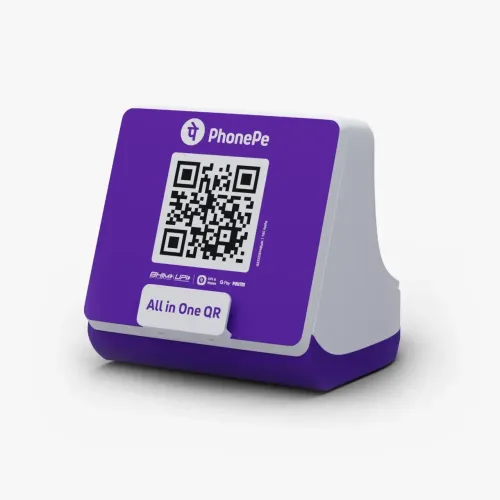
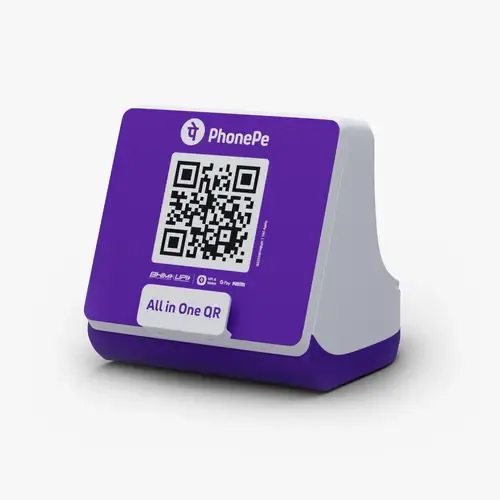
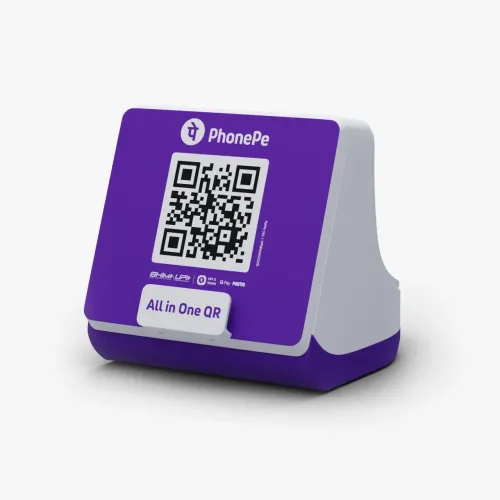
The company will deploy more than 50 lakh payment devices — including SmartSpeakers and POS devices — over 12 months .
Approximately 50 per cent of devices will be placed in rural India , targeting Tier 6 towns and villages.
A dedicated fund using 5 per cent of MDR collections has been earmarked for small merchant expansion in deep-rural geographies.
New labour codes introduced last year are cited as enabling faster large-scale on-roll hiring with streamlined compliances.
The expansion aims to bring lakhs of small merchants into the formal financial ecosystem, improving access to credit and other services.
PhonePe on Thursday, 24 September 2026, announced an aggressive push to deepen digital payment infrastructure across India's towns and villages, unveiling plans to hire more than 20,000 frontline sales personnel on its rolls over the next year and deploy over 50 lakh payment devices within 12 months. The expansion marks one of the largest single-year merchant network build-outs by an Indian fintech company.
Scale of the Expansion
The planned device rollout — covering SmartSpeakers and POS devices — will see approximately 50 per cent of units placed in rural India, with a specific focus on Tier 6 towns and village-level geographies. The on-roll hiring model is a deliberate structural choice, designed to give PhonePe greater control over merchant onboarding, KYC compliance, device deployment, and ongoing merchant support.
What Is Driving the Investment
The company cited the recently announced Merchant Discount Rate (MDR) framework as a key enabler, saying it allows a longer-term view on merchant infrastructure investment. Under the framework, a dedicated fund using 5 per cent of MDR amounts collected has been earmarked specifically for small merchant expansion — a mechanism PhonePe says is particularly catalytic for deep-rural deployment. Separately, new labour codes introduced last year have reportedly streamlined compliance, enabling faster large-scale onboarding of on-roll employees.
Why Rural India Is the Frontier
India has built one of the world's largest digital payments ecosystems, but merchant acceptance infrastructure remains thin beyond Tier 3 cities. PhonePe's expansion targets precisely this gap — bringing small kirana stores, street vendors, and local service providers onto digital payment rails for the first time. This comes amid intensifying competition in the UPI ecosystem, where PhonePe competes with Google Pay, Paytm, and NPCI-backed rivals for merchant and consumer share.
Financial Inclusion Angle
Beyond transaction volume, the company argues the expansion serves a broader financial inclusion purpose. A digitally active, KYC-compliant merchant network creates greater visibility into business activity, which can in turn enable eligible merchants to access formal financial services — including credit from lending institutions. Analysts have noted that merchant data gathered through device deployment is also commercially valuable for credit underwriting, making this investment dual-purpose for the company.
What Comes Next
The 20,000-plus new hires will be spread across the country, with heavier concentration in states where rural merchant density is high. Device deployment targets are expected to be tracked quarterly. Whether PhonePe can execute at this scale while maintaining merchant activation rates will be the key operational test over the next year.
Point of View
Device-active merchant base is the raw material for a credit business, and PhonePe's parent Walmart-backed entity has clear ambitions in financial services. The 20,000 on-roll hires — rather than a contractor model — signal that PhonePe wants tight control over data quality and merchant relationships, not just coverage numbers. Whether execution matches the announcement will depend on how quickly device activation rates ramp up, especially in Tier 6 geographies where digital literacy and connectivity remain uneven challenges.
NationPress
24 Sept 2026
Frequently Asked Questions
How many employees is PhonePe planning to hire?
PhonePe plans to hire more than 20,000 frontline sales personnel on its rolls over the next year. These employees will be responsible for merchant onboarding, KYC, device deployment, and ongoing support across towns and villages.
What types of payment devices will PhonePe deploy?
PhonePe will deploy over 50 lakh payment devices including SmartSpeakers and POS devices over 12 months. Approximately 50 per cent of these devices are targeted at rural India, with a focus on Tier 6 towns and village geographies.
What is the MDR framework and how does it support this expansion?
The Merchant Discount Rate (MDR) framework is a recently announced policy that allows payment companies to earn a percentage of transaction value from merchants. PhonePe says it enables a longer-term investment view, and a dedicated fund using 5 per cent of MDR collections has been earmarked for small merchant expansion in rural areas.
How does this expansion help small merchants beyond payments?
By onboarding merchants onto digital payment rails and completing KYC, PhonePe creates a digitally visible and compliant merchant profile. This can make eligible merchants accessible to formal financial services, including credit offered by lending institutions, deepening their participation in the broader formal economy.
Why is PhonePe focusing on Tier 6 towns and rural areas?
Merchant acceptance infrastructure remains sparse beyond Tier 3 cities in India, even as the country has built a large digital payments ecosystem. Tier 6 towns and villages represent the next frontier for UPI and digital payment adoption, and PhonePe is positioning itself to capture that growth before competitors establish a foothold.