PIB Fact Check flags fake India Post 'Dak Seva Gifts' scheme on social media

Synopsis
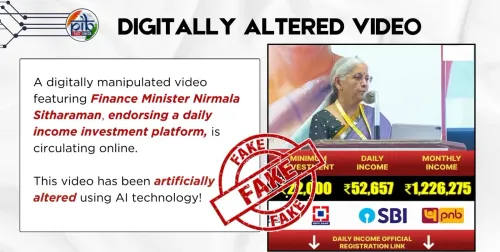
The PIB Fact Check unit has debunked a viral 'Dak Seva Gifts' scheme falsely attributed to India Post — part of a broader wave of digital scams impersonating government entities. In a separate but related alert, a fraudulent 'Quantum AI' platform falsely invoking Finance Minister Nirmala Sitharaman's name promised ₹3 lakh a month on a ₹22,000 investment. Both are fake.
Key Takeaways
PIB Fact Check on 30 May debunked a viral message falsely claiming India Post is offering gifts or rewards under a 'Dak Seva Gifts' scheme.
India Post has no connection with any such reward scheme, lucky draw, or 'Dak Seva Gifts' offer.
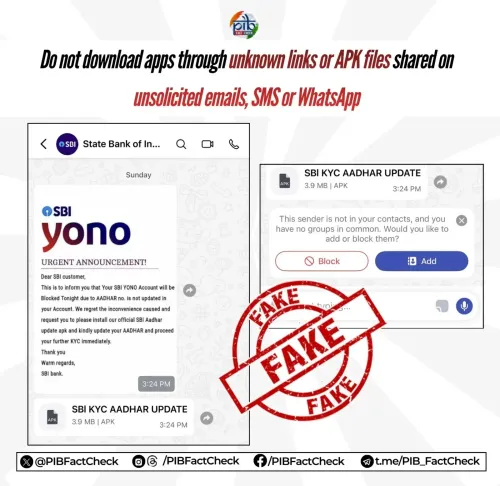
Citizens are urged not to click suspicious links or share bank details , OTPs , or Aadhaar numbers .
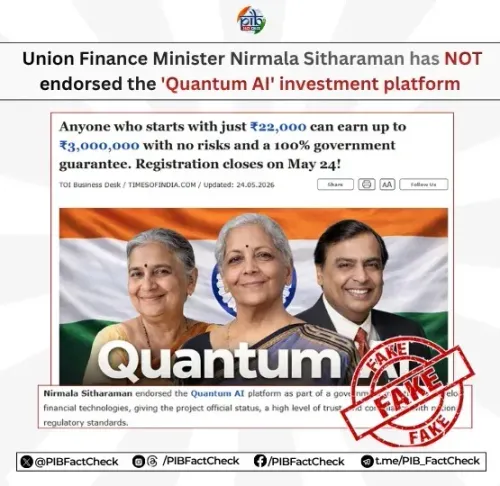
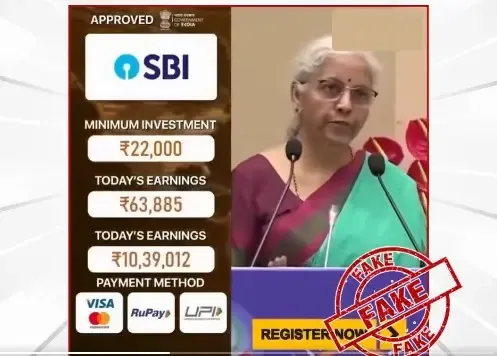
A separate 'Quantum AI' investment scam falsely using Finance Minister Nirmala Sitharaman's name promised ₹3,00,000 monthly on a ₹22,000 investment — also confirmed fake.
Suspicious government-related content can be reported directly to the PIB Fact Check unit for verification.
The Press Information Bureau (PIB) Fact Check unit on Saturday, 30 May debunked a fraudulent message circulating on social media, falsely claiming that India Post is offering gifts, rewards, or a lucky draw under a scheme called 'Dak Seva Gifts'. The government's fact-checking arm confirmed the claim is entirely fabricated and warned citizens against engaging with such links.
What the Fake Message Claims
The viral message alleged that India Post was running a reward or gift scheme under the 'Dak Seva Gifts' banner, potentially luring citizens into clicking suspicious links or surrendering personal information. The PIB Fact Check unit moved swiftly to counter the misinformation via its official handle on X (formerly Twitter).
“@IndiaPostOffice has no connection with any such 'Dak Seva Gifts' offer, reward scheme, or lucky draw. Do not click on any suspicious links or webpages and never share personal information such as bank details, OTP, or Aadhaar number,” the PIB Fact Check post stated.
How to Report Suspicious Content
The PIB unit also reminded citizens that any suspicious content — including links, messages, photos, or videos — related to the Central Government can be submitted directly to the PIB Fact Check team for verification. Officials urged the public not to share unverified claims and to verify information before acting on it.
A Pattern of Online Financial Fraud
This is not an isolated incident. Around the same period, the government also flagged a separate fraudulent investment scheme being circulated online using the name of Union Finance Minister Nirmala Sitharaman. That scheme, branded as 'Quantum AI', falsely promised a monthly income of ₹3,00,000 against an initial investment of ₹22,000.
The PIB Fact Check unit categorically labelled the Quantum AI platform as fraudulent, stating it has no affiliation with the Government of India or the finance minister. “Neither the Union Finance Minister nor the Government of India is endorsing any such investment scheme or platform,” the clarification noted.
Authorities warned that such schemes are specifically engineered to deceive citizens and cause financial loss, particularly by exploiting the credibility of government institutions and senior officials.
What Citizens Should Watch Out For
The PIB Fact Check unit has consistently flagged a rise in scams that impersonate government departments, ministers, and public-sector entities. Key red flags include promises of guaranteed high returns in a short period, requests for Aadhaar numbers, OTPs, or bank details, and links shared via messaging apps or social media that mimic official government portals.
As digital financial fraud continues to evolve in sophistication, the government's advisory serves as a reminder that no legitimate government scheme solicits personal or banking information through unofficial social media channels. Citizens are advised to cross-verify any such claims on the official PIB Fact Check portal before responding.
Point of View
Cabinet ministers, and central government schemes points to a systematic exploitation of public trust in state institutions. PIB Fact Check is doing necessary work, but reactive debunking cannot keep pace with the volume of viral misinformation. What is missing is a proactive public literacy campaign — one that teaches citizens to verify before they click, not after they have already shared their Aadhaar number. The Quantum AI scam, which invoked a sitting finance minister by name to promise implausible returns, signals that fraudsters are growing bolder and more targeted in their impersonation tactics.
NationPress
18 Oct 2026
Frequently Asked Questions
What is the fake 'Dak Seva Gifts' scheme that PIB debunked?
It is a fraudulent message circulating on social media that falsely claims India Post is offering gifts, rewards, or a lucky draw under a scheme called 'Dak Seva Gifts'. PIB Fact Check confirmed on 30 May that India Post has no connection with any such offer and that the message is entirely fabricated.
What should I do if I receive a 'Dak Seva Gifts' message?
Do not click on any links in the message, and do not share personal information such as your bank details, OTP, or Aadhaar number. You can report the suspicious message directly to the PIB Fact Check unit for verification.
What is the 'Quantum AI' investment scam linked to Nirmala Sitharaman?
It is a separate fraudulent investment platform that falsely uses the name of Union Finance Minister Nirmala Sitharaman to promise a monthly income of ₹3,00,000 on an initial investment of ₹22,000. The government has confirmed the scheme is fake and that neither the finance minister nor the Government of India endorses it.
How can I verify if a government scheme is real?
Citizens can submit any suspicious link, message, photo, or video related to the Central Government to the PIB Fact Check unit for official verification. Legitimate government schemes do not solicit bank details, OTPs, or Aadhaar numbers through social media or messaging apps.
Is this kind of online fraud increasing in India?
According to government advisories, scams impersonating government departments, public-sector entities, and senior officials have become increasingly common. Authorities have repeatedly warned that schemes promising guaranteed high returns in a short period are designed to deceive citizens and cause financial loss.