PM-SETU identifies 850 ITIs, approves 14 clusters in first year
Synopsis
One year in, PM-SETU has mapped 850 ITIs, locked in 14 clusters, and introduced 32 new-age courses from AI to green hydrogen — backed by a ₹60,000 crore tripartite fund. With ITI enrolment up 54% since 2014 and 36 states already aligned, the scheme's first-year rollout is broad — but whether it converts scale into jobs remains the defining test.
Key Takeaways
PM-SETU has identified 850 ITIs ( 172 Hub + 678 Spoke ) and approved 14 clusters in its first year of implementation.
The scheme targets the upgrade of 1,000 Government ITIs and elevation of five NSTIs to National Centres of Excellence.
Total outlay stands at ₹60,000 crore : ₹30,000 crore (Centre) + ₹20,000 crore (states) + ₹10,000 crore (industry).
36 states and UTs have identified clusters; 35 have formed State Steering Committees; 26 have begun inviting industry participation.
The DGT has launched 32 new-age courses covering AI, cyber security, EVs, robotics, green hydrogen, drones, IoT, 5G, and more.
ITI enrolment rose 54% — from 9.51 lakh (2014–15) to 14.70 lakh (2025–26); total ITIs up 42% to 13,888 since 2014.
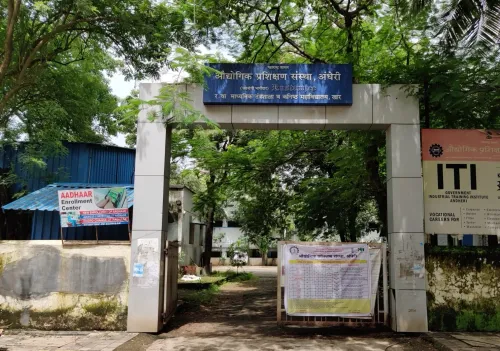
PM-SETU (Pradhan Mantri Skilling and Employability Transformation through Upgraded ITIs) has identified 850 Industrial Training Institutes (ITIs) — comprising 172 Hub ITIs and 678 Spoke ITIs — and approved 14 ITI clusters within its first year of implementation, according to an official factsheet released on Saturday, 3 October 2026. The scheme aims to overhaul vocational training across India through a structured Hub-and-Spoke model.
Scale and Structure of the Scheme
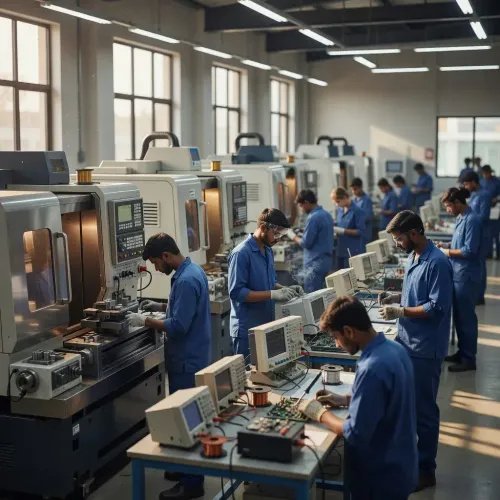
PM-SETU targets the upgrade of 1,000 Government ITIs nationwide and seeks to strengthen five National Skill Training Institutes (NSTIs) as National Centres of Excellence. Planned skill labs are designed to extend vocational exposure to students beyond the classroom, according to the factsheet.
The scheme carries a total outlay of ₹60,000 crore, split as ₹30,000 crore from the Centre, ₹20,000 crore from states, and ₹10,000 crore from industry. This tripartite funding model is intended to embed industry accountability directly into the programme's financial architecture.
State and Industry Participation
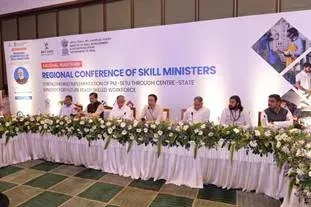
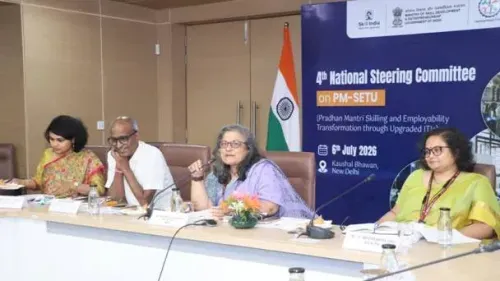
As many as 36 states and union territories have identified clusters and created dedicated state budget heads for PM-SETU. Meanwhile, 35 states and union territories have constituted State Steering Committees to guide and oversee implementation, and 26 states and union territories have initiated the process of inviting industry participation.
Industry engagement is channelled through Strategic Investment Plans, Special Purpose Vehicles, and Anchor Industry Partners — mechanisms designed to make governance industry-led rather than purely bureaucratic.
New-Age Courses and ITI Expansion
The Directorate General of Training (DGT) has introduced 32 new-age courses under the Craftsmen Training Scheme, covering areas such as artificial intelligence, cyber security, additive manufacturing, electric vehicles, semiconductor technology, robotics, green hydrogen, drones, IoT, solar energy, 5G, and software testing. States retain the authority to adopt these courses in their ITIs, which remain under state administrative and financial control.
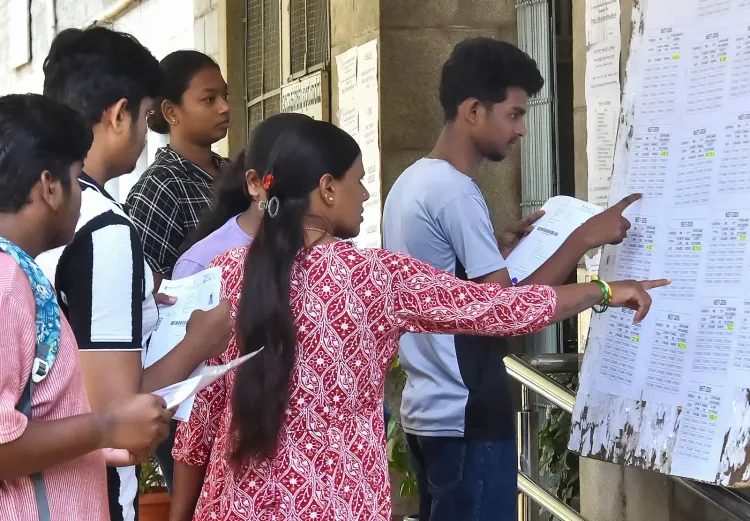
The broader ITI ecosystem has grown substantially over the past decade. The total number of ITIs — government and private — increased from 9,776 in 2014 to 13,888 in 2026, a rise of 42%. Enrolment in ITIs climbed from 9.51 lakh in the academic session 2014–15 to 14.70 lakh in 2025–26, marking a 54% increase over the same period.
International Partnerships and What Comes Next
International partnerships have been incorporated to support advanced skilling at selected NSTIs, with details of partner countries and institutions yet to be publicly specified. The scheme's emphasis on demand-driven courses is meant to align training with evolving workforce requirements rather than legacy trade categories.
With the foundational year complete and cluster approvals in place, the focus now shifts to the pace of infrastructure upgrades, the depth of industry participation, and whether enrolment gains translate into verifiable employment outcomes — a metric that will define PM-SETU's long-term credibility.
Point of View
36 states aligned, 32 new courses listed — but scale of identification is not the same as scale of transformation. India's ITI enrolment has grown 54% since 2014, yet chronic employer complaints about graduate quality and mismatch persist, suggesting the infrastructure gap is only one part of the problem. The tripartite funding model, which locks in ₹10,000 crore of industry money, is structurally smarter than past government-only schemes, but industry commitments in Indian skilling programmes have historically been soft. The real test arrives when the scheme publishes its first placement-linked outcome data — without which ₹60,000 crore risks repeating the pattern of impressive inputs and underwhelming outputs.
NationPress
3 Oct 2026
Frequently Asked Questions
What is PM-SETU and what does it aim to do?
PM-SETU — Pradhan Mantri Skilling and Employability Transformation through Upgraded ITIs — is a government scheme designed to upgrade 1,000 Government ITIs through a Hub-and-Spoke model and elevate five National Skill Training Institutes to National Centres of Excellence. It aims to make vocational training industry-aligned and demand-driven, with a total outlay of ₹60,000 crore.
What has PM-SETU achieved in its first year?
In its first year, PM-SETU identified 850 ITIs — 172 Hub ITIs and 678 Spoke ITIs — and approved 14 ITI clusters. Thirty-six states and union territories have identified clusters, 35 have formed State Steering Committees, and 26 have initiated industry participation processes.
What new courses are being introduced under PM-SETU?
The Directorate General of Training has introduced 32 new-age courses under the Craftsmen Training Scheme, covering artificial intelligence, cyber security, additive manufacturing, electric vehicles, semiconductor technology, robotics, green hydrogen, drones, IoT, solar energy, 5G, and software testing. States can choose to adopt these courses in their ITIs.
How is PM-SETU funded?
The scheme has a total outlay of ₹60,000 crore, comprising ₹30,000 crore from the Centre, ₹20,000 crore from states, and ₹10,000 crore from industry partners. Industry participation is structured through Strategic Investment Plans, Special Purpose Vehicles, and Anchor Industry Partners.
How has ITI enrolment and infrastructure grown since 2014?
Total ITIs in India grew from 9,776 in 2014 to 13,888 in 2026, a 42% increase. Enrolment rose from 9.51 lakh in 2014–15 to 14.70 lakh in 2025–26, marking a 54% increase over the same period.