Iran to sue US in international courts over seized ship Touska during ceasefire
Synopsis
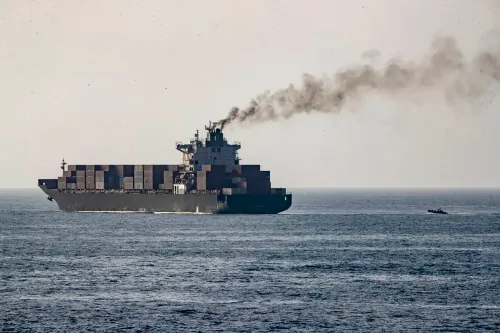
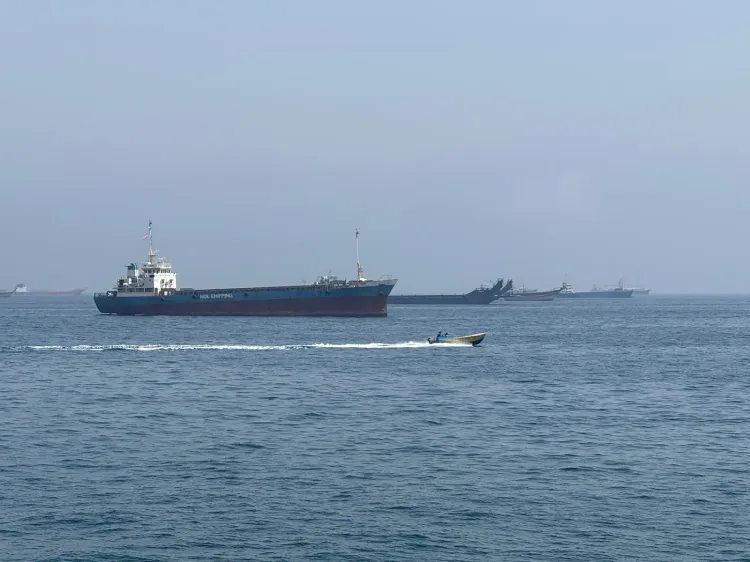
Iran is taking the US to international courts over the seizure of its container ship Touska — boarded in the Gulf of Oman during an active ceasefire, with 28 crew reportedly detained and humanitarian cargo on board. Tehran calls it a war crime. Trump, meanwhile, refused to reveal his next move, saying only the situation was 'working out very well.'
Key Takeaways
Iran will pursue international legal action over the US seizure of the container ship Touska on 19 April in the Gulf of Oman .
Mohammad-Reza Modarres Khiabani , CEO of Islamic Republic of Iran Shipping Lines , called the boarding a 'war crime and violation of the truce.' The vessel was reportedly carrying medicines for the Iranian Red Crescent Society and dialysis patients at the time of seizure.
The US Navy allegedly struck the ship's engine room and detained 28 crew members , according to Iranian officials.
US President Donald Trump declined to detail his next steps, saying Iran was 'not doing well' and the situation was 'working out very well.'
A senior Iranian shipping official announced on Saturday, 3 October 2026 that Iran will take the United States to international courts over the seizure of its container ship Touska, an incident that reportedly occurred on 19 April in the Gulf of Oman — during an active ceasefire between Tehran and Washington. The announcement signals a significant diplomatic and legal escalation in an already fraught bilateral relationship.
What Happened to the Touska
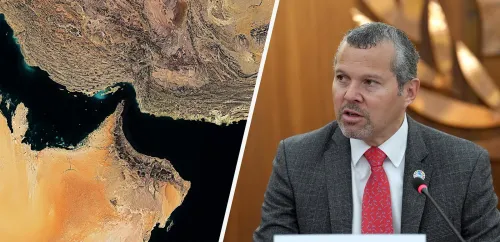
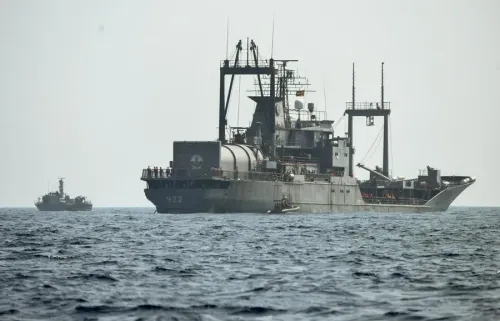
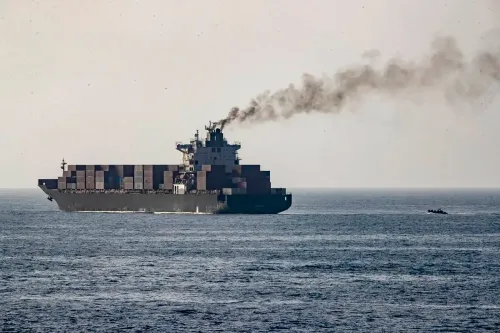
Mohammad-Reza Modarres Khiabani, Chief Executive Officer of the Islamic Republic of Iran Shipping Lines, described the incident as a 'war crime' at a meeting in Tehran. According to his account, US Navy forces boarded the Iranian-flagged vessel Touska off the coast of Chabahar port in southeastern Iran, struck the ship's engine room, and took 28 crew members hostage. Khiabani alleged that the vessel was carrying medicines for the Iranian Red Crescent Society and supplies for dialysis patients at the time of seizure.
Iran's Legal Position
Khiabani argued that boarding and seizing a commercial vessel during an active ceasefire constitutes both a 'war crime and violation of the truce.' He further stated that any form of naval blockade violates international law and amounts to a 'hostile' act. Iran has indicated it will formally pursue the matter through international judicial mechanisms, though the specific courts or bodies it intends to approach have not yet been named publicly. This is not the first time Iran has threatened or pursued legal action against Washington at international forums — Tehran has previously filed suits at the International Court of Justice (ICJ) over sanctions and asset freezes.
Trump's Remarks on Iran
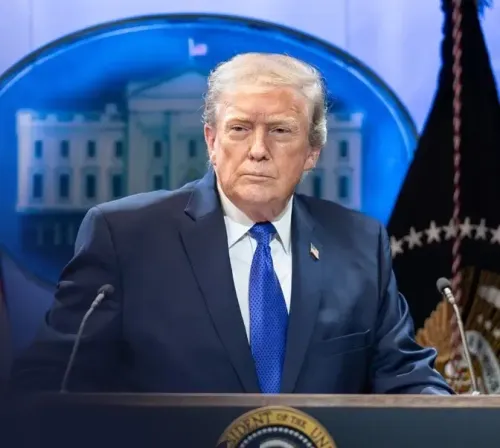
Meanwhile, US President Donald Trump declined to outline his administration's next steps on Iran, speaking to reporters at the White House before departing aboard Marine One. Asked directly about his next move, Trump said the situation was 'working out very well' and predicted the conflict would not last long. 'That's very, oh, it's — well, if I told you, you'd have a major story, right? But you'll see. Working out very well. Iran is not doing well,' Trump said, without elaborating on specific actions or timelines. He also referenced Iran while discussing global energy supplies and efforts to increase European diesel availability.
Broader Context and What It Means
The Touska seizure, if confirmed as described by Iranian officials, would represent a rare instance of military action against a commercial vessel during an officially acknowledged ceasefire period. Notably, the incident took place in the Gulf of Oman — a strategically critical waterway adjacent to the Strait of Hormuz, through which a significant share of global oil supplies transit. Critics argue that if Iranian claims about the ship's humanitarian cargo are accurate, the seizure raises serious questions under international maritime and humanitarian law. The US government has not issued a detailed public response to Iran's characterisation of the incident. How international courts respond to a potential Iranian filing could set a precedent for the legal boundaries of ceasefire enforcement at sea.
What Happens Next
Iran's pursuit of international legal remedies is likely to unfold over months or years, given the timelines typical of international judicial proceedings. The fate of the 28 crew members reportedly detained remains a key humanitarian flashpoint. Trump's cryptic remarks suggest the US administration is weighing further steps regarding Iran, though the nature and timing of any action remain unclear. All eyes will be on whether Washington offers an official account of the Touska incident and whether the ceasefire framework between the two countries holds amid mounting legal and diplomatic pressure.
Point of View
But it carries real strategic weight: filing at the ICJ or a comparable body forces Washington to respond on record, something the US has so far avoided. The claim that a vessel carrying Red Crescent medicines was seized during a ceasefire is precisely the kind of allegation that resonates in international forums even when disputed. Trump's deliberately vague remarks — designed to project strength without committing to a position — suggest the administration is uncertain how to handle a legally awkward incident. The ceasefire, if real, was always fragile; this episode may reveal just how unevenly its terms were interpreted by both sides.
NationPress
3 Oct 2026
Frequently Asked Questions
What is the Touska ship incident between Iran and the US?
The Touska is an Iranian-flagged container ship that was reportedly boarded and seized by US Navy forces on 19 April in the Gulf of Oman, off the coast of Chabahar port in southeastern Iran. Iran alleges the seizure occurred during an active ceasefire between Tehran and Washington and that the ship was carrying humanitarian supplies including medicines for dialysis patients.
Why is Iran calling the Touska seizure a 'war crime'?
Iranian officials argue that boarding and seizing a commercial vessel carrying humanitarian cargo during an officially acknowledged ceasefire violates international law and constitutes a war crime. The CEO of Iran's state shipping lines also alleged that US forces struck the ship's engine room and detained 28 crew members, adding to the severity of the claim.
Where will Iran file its international legal case?
Iran has announced its intention to pursue the matter in international courts, but has not publicly named the specific tribunal or body it will approach. Iran has previously filed cases against the US at the International Court of Justice over related disputes.
What did President Trump say about the Iran situation?
Speaking to reporters at the White House on 3 October, Trump declined to reveal his next steps on Iran, saying the situation was 'working out very well' and that the conflict would not last long. He did not provide details on any planned action or a timeline.
What is the significance of the Gulf of Oman in this dispute?
The Gulf of Oman borders the Strait of Hormuz, through which a major share of global oil supplies passes. Military or legal confrontations in this waterway carry outsized geopolitical and economic implications, making the Touska incident particularly sensitive for international maritime law and regional stability.