Why Did Iran Seize an Oil Tanker for Fuel Smuggling?
Synopsis
In a significant move, Iran has seized a foreign oil tanker in the Sea of Oman, accused of transporting six million litres of smuggled fuel. This action is part of a larger initiative to combat fuel smuggling in the region. Stay tuned for more insights into this unfolding situation.
Key Takeaways
Iran has confiscated an oil tanker for smuggling six million litres of fuel.
The seizure occurred in the Sea of Oman , highlighting fuel smuggling issues.
18 suspects are under supervision, including the crew.
The tanker lacked navigational and cargo documentation.
This incident is part of Iran's efforts against organized fuel smuggling.
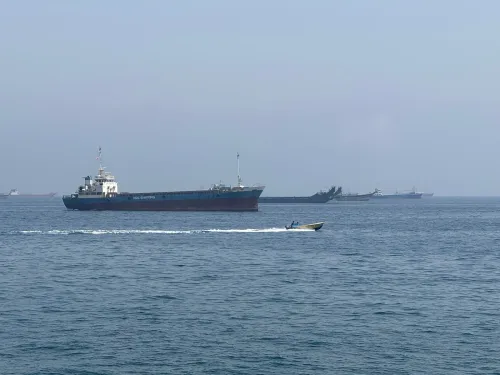
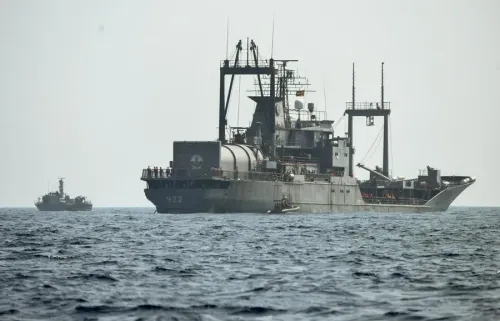
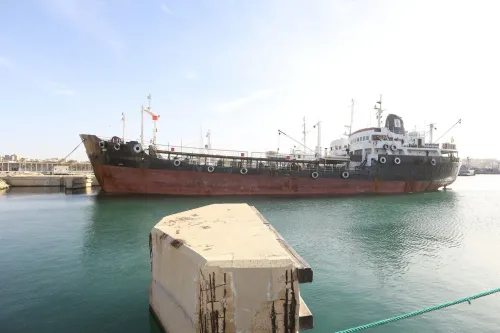
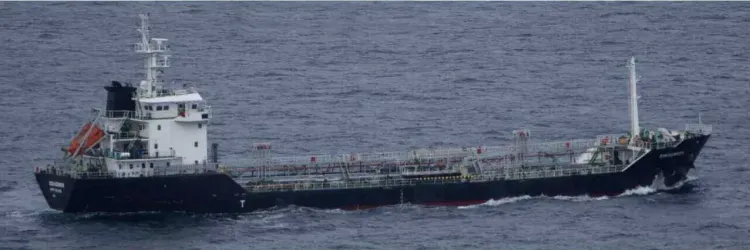
Tehran, Dec 13 (NationPress) On Saturday, Iran declared the confiscation of a foreign oil tanker in the Sea of Oman, accused of transporting six million litres of illicit fuel.
Local reports cited Hormozgan Chief Justice Mojtaba Qahremani, stating that this action was part of ongoing intelligence efforts to monitor and track suspicious fuel smuggling activities along Iran's maritime borders in the Sea of Oman.
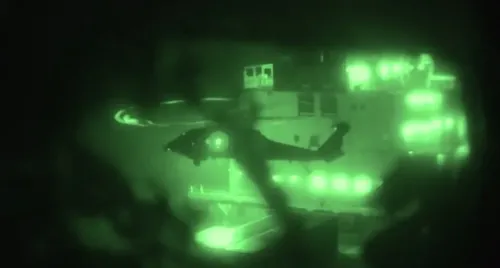
He mentioned that judicial officials, operating under a court directive, examined the foreign-flagged oil tanker in waters within Iran’s jurisdiction near the western area of Jask. The vessel was seized after inspections uncovered numerous maritime infractions and irregularities in its cargo documentation, which led to the charges of transporting six million litres of smuggled fuel, as reported by Iran's semi-official Tasnim news agency.
The report indicated that 18 individuals, including the captain and crew of the tanker, are currently under supervision following the issuance of legal orders, as investigations and legal proceedings are ongoing.
“Besides the organized smuggling of millions of litres, the confiscated tanker has committed several violations, such as ignoring orders to halt, fleeing, lacking navigational documents, lacking fuel cargo documentation, disabling its radar, and intentionally damaging the ship's equipment during the seizure. The investigation is ongoing, and updates regarding its judicial charges will be provided later,” noted the Chief Justice of Hormozgan Province, as reported by Tasnim.
Another state-run agency, IRIB, elaborated that the tanker was seized by Iranian judicial officers on Thursday within Iran's maritime territory near the southern port city of Jask, as part of efforts to dismantle major fuel smuggling networks.
The vessel reportedly lacked essential maritime documentation and the bill of lading for its fuel cargo, and it had deactivated all navigation and navigational assistance systems.
The 18 crew members aboard the oil tanker have been identified as nationals from Sri Lanka, India, and Bangladesh.
Point of View
This incident underscores the ongoing challenges faced by nations in combating fuel smuggling, which has economic and security implications. Iran's actions demonstrate a proactive approach in safeguarding its maritime borders. However, the broader regional implications warrant a comprehensive understanding of international maritime law and enforcement.
NationPress
17 Oct 2026
Frequently Asked Questions
What led to the seizure of the oil tanker?
The oil tanker was seized due to accusations of transporting six million litres of smuggled fuel, alongside multiple maritime violations.
How many individuals were detained during this operation?
A total of 18 individuals, including the tanker’s captain and crew, have been placed under supervision.
What violations were reported regarding the tanker?
The tanker reportedly ignored orders to stop, lacked essential navigational and cargo documents, and had turned off its radar systems.
Which countries are represented among the crew members?
The crew members are identified as nationals from Sri Lanka, India, and Bangladesh.
What are the implications of this seizure for Iran?
The seizure is part of Iran's broader strategy to combat fuel smuggling and protect its maritime sovereignty.