US Imposes Sanctions on Iran's Oil Network: Are Indian Shipping Firms Involved?
Synopsis
In a significant move, the Trump Administration has sanctioned 29 vessels tied to an Iranian oil network, implicating Indian shipping firms. This action aims to disrupt Iran's revenue used for terrorism and illegal activities, highlighting the ongoing geopolitical tensions surrounding oil trade.
Key Takeaways
29 vessels sanctioned linked to Iranian oil network.
Involvement of Indian shipping firms noted.
Sanctions aim to disrupt terrorism funding .
Executive Order 13902 targets Iran's oil sector .
Impacts global oil trade and revenues.
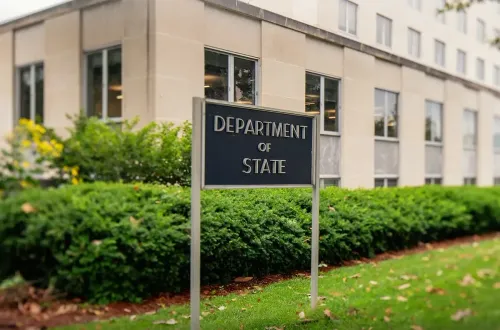
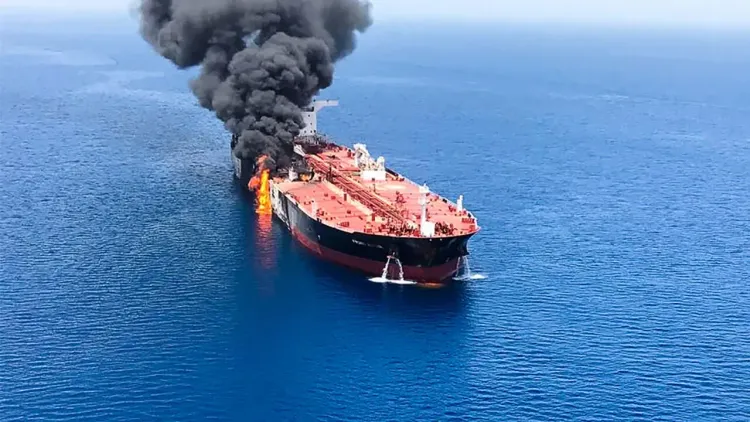
Washington, Dec 18 (NationPress) The Trump Administration announced on Thursday sanctions against 29 vessels linked to a clandestine oil shipping network. This includes entities and operations associated with India involved in transporting Iranian oil valued at hundreds of millions of dollars.
The US Department of the Treasury stated that this initiative aims to sever revenue channels utilized by the Iranian regime to finance terrorism and other illegal activities.
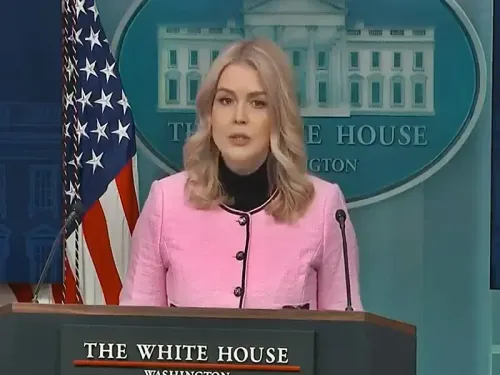
Principal Deputy Spokesperson Tommy Pigott emphasized that the United States is taking action “to halt the flow of revenue that the Iranian regime uses to back terrorism and other illicit operations.”
The Treasury indicated that the sanctions target a network of firms and vessels managed by Hatem Elsaid Farid Ibrahim Sakr, an Egyptian entrepreneur, along with various shipping companies operating in nations such as the United Arab Emirates, India, Marshall Islands, and Panama. Sakr’s enterprises were associated with seven of the 29 vessels included in the sanctions.
“This action further limits Iran’s capacity to export oil and oil products through opaque and fraudulent methods,” Pigott remarked.
Among the Indian-related entities mentioned is the Barbados-flagged vessel Flora Dolce, owned and managed by Rukbat Marine Services Co, which has delivered millions of barrels of Iranian fuel oil since April 2025.
The Panama-flagged Auroura, owned and operated by Golden Gate Ship Management based in India, was noted for transporting millions of barrels of Iranian petroleum products, including naphtha and condensate.
Another vessel, Ramya, operated and managed by Darya Shipping Private Limited from India, is reported to have carried over 100,000 barrels of Iranian petroleum products since September 2025.
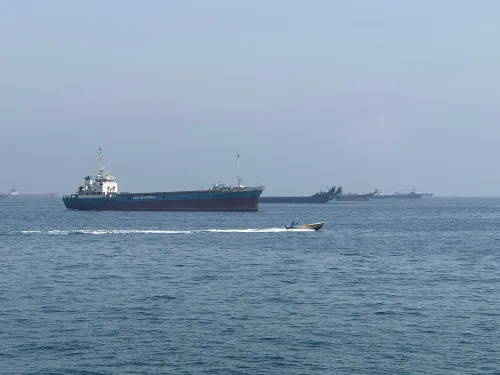
According to the Office of Foreign Assets Control (OFAC) of the Treasury, the sanctioned vessels are part of Iran's so-called “shadow fleet”, which exports Iranian oil through deceptive and fraudulent shipping practices.
The vessels and their associated management companies have been involved in transporting Iranian crude oil and products, including fuel oil, bitumen, naphtha, and condensate.
The Treasury noted that these vessels are part of a larger system where firms are often created solely to own and manage individual ships, obscuring beneficial ownership and facilitating sanctions evasion. Numerous vessels have been linked to years of Iranian oil shipments, including significant volumes in 2025.
In a separate announcement, Treasury Under Secretary for Terrorism and Financial Intelligence John K. Hurley highlighted the administration's overarching goal.
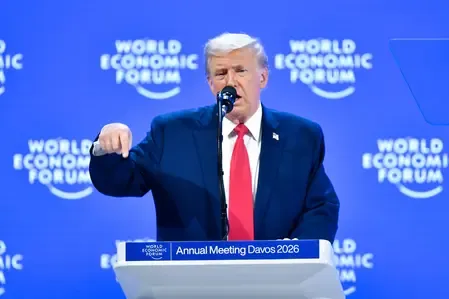
“As President Trump has reiterated, the United States will not permit Iran to acquire a nuclear weapon,” Hurley stated. “The Treasury will persist in denying the regime the oil revenue it employs to fund its military and weapons initiatives.”
The latest sanctions were enacted under Executive Order 13902, which targets Iran's oil and petrochemical sectors. Since President Trump took office, his administration has sanctioned over 180 vessels linked to the shipment of Iranian oil, raising costs for exporters and diminishing the revenue Iran earns for every barrel sold.
Point of View
It is imperative to approach the situation with a balanced perspective. The recent sanctions imposed by the Trump Administration on vessels linked to Iranian oil, particularly those connected to Indian firms, underline significant geopolitical concerns. While these actions aim to curb terrorism funding, they also highlight the complex interplay between international shipping and national security, warranting careful scrutiny from all stakeholders involved.
NationPress
29 Sept 2026
Frequently Asked Questions
What prompted the US sanctions against the Iranian oil network?
The US imposed sanctions to cut off revenue streams utilized by the Iranian regime to fund terrorism and other illicit activities.
Which Indian shipping firms are involved?
The sanctions include vessels operated by Rukbat Marine Services Co and Golden Gate Ship Management from India.
What types of vessels were sanctioned?
The sanctions targeted 29 vessels linked to a covert petroleum shipping network associated with Iran.
What is the significance of Executive Order 13902?
Executive Order 13902 targets Iran's petroleum and petrochemical sectors, facilitating sanctions against entities involved in these industries.
How does this impact global oil trade?
The sanctions are expected to raise costs for exporters and reduce the revenue Iran receives for each barrel of oil sold.