CM Sawant Takes 'Sarkar Tumchya Dari' to Mapusa, Hears Citizens Directly
Synopsis
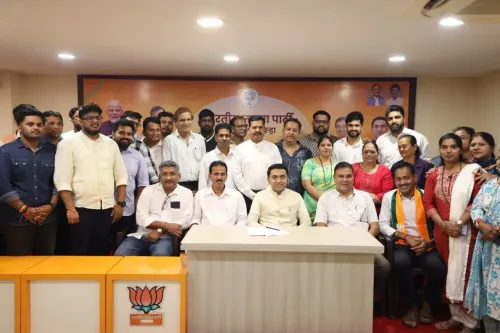
Goa CM Pramod Sawant visited Mapusa on 3 October 2026 for a 'Sarkar Tumchya Dari' session under the Seva Sankalp Abhiyan, personally hearing citizen concerns and escalating unresolved issues to relevant authorities for prompt action.
Key Takeaways
CM Pramod Sawant held a Seva Sankalp Abhiyan outreach session in Mapusa, North Goa on 3 October 2026 .
The event was part of the 'Sarkar Tumchya Dari' (Government at Your Doorstep) format, enabling direct citizen-CM interaction.
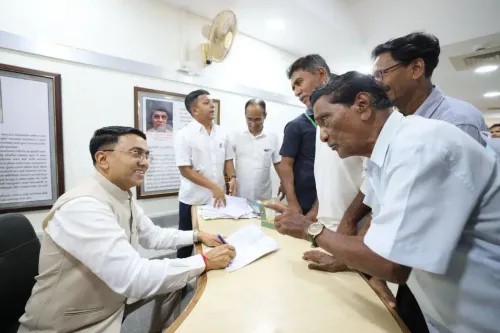
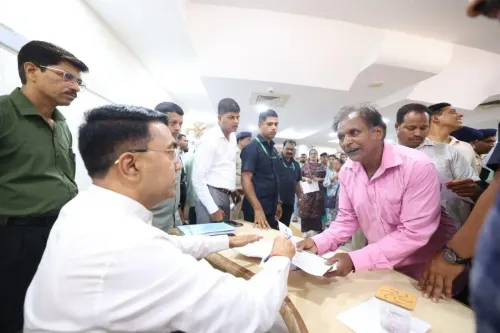
Sawant personally listened to individual grievances, requirements, and concerns from residents.
Issues resolvable on the spot were addressed immediately; others were escalated to concerned authorities for the earliest possible action.
The Seva Sankalp Abhiyan is framed around vachan purti — fulfilment of promises — at the grassroots level.
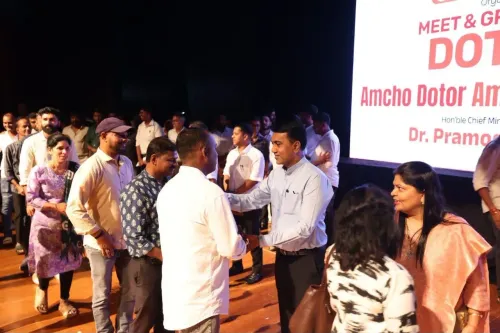
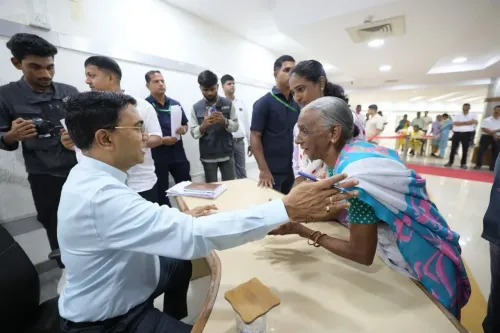
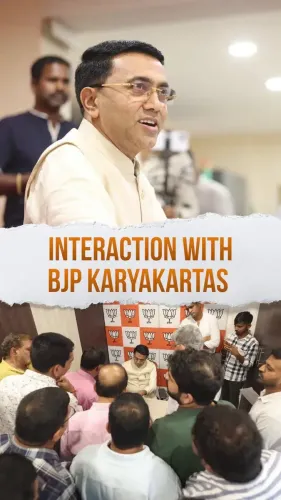
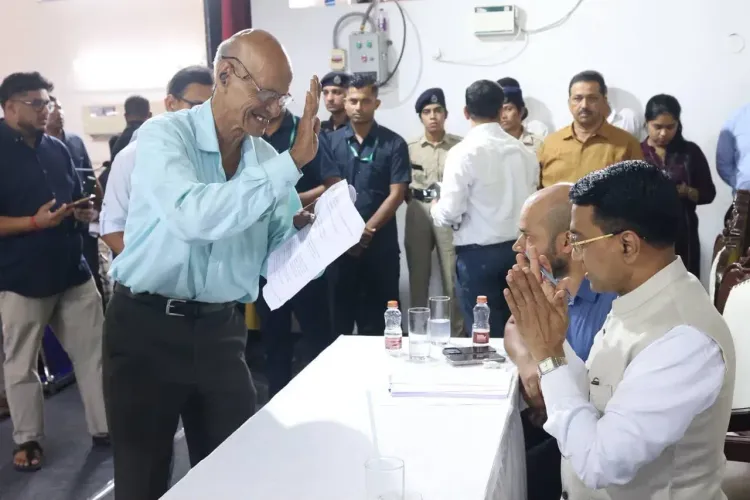
A Chief Minister walking door-to-door in a busy North Goa town, listening to residents one by one — that is the image Goa Chief Minister Pramod Sawant projected on Saturday, 3 October 2026, as he held a public outreach session in Mapusa under the Seva Sankalp Abhiyan, the BJP government's structured citizen-grievance initiative.
What Happened in Mapusa on Saturday
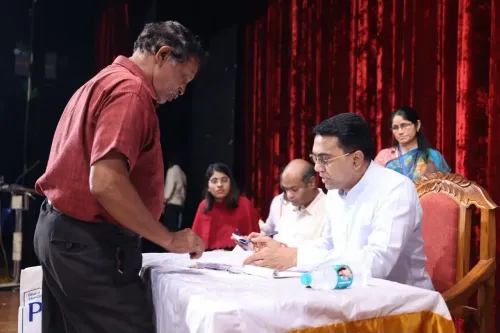
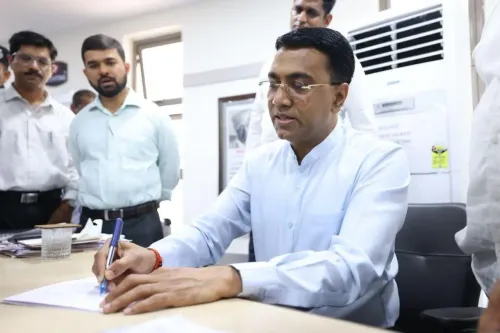
CM Sawant personally met residents at the 'Sarkar Tumchya Dari' — literally, 'Government at Your Doorstep' — session, hearing out individual complaints, requirements, and concerns. Issues that could be resolved on the spot were addressed immediately, while matters needing deeper government intervention were escalated to the relevant authorities for the fastest possible action.
The format is deliberate: no intermediaries, no queues at a distant secretariat. The Chief Minister sits, listens, and responds — or commits to a follow-up. It is governance styled as direct service delivery.
The Seva Sankalp Abhiyan — What It Promises
The Seva Sankalp Abhiyan is the BJP-led Goa government's outreach framework built on two Hindi concepts: seva (service) and sankalp (resolve or pledge), with vachan purti (fulfilment of promises) as its stated outcome. The programme is designed to take elected representatives and senior officials out of offices and into localities, making the administration physically accessible to citizens who might otherwise struggle to navigate bureaucratic channels.
Mapusa, a commercial hub in North Goa's Bardez taluka, is one of the state's most densely populated urban centres — making it a high-visibility venue for such an exercise.
The Political Logic of Doorstep Governance
Outreach programmes of this kind serve a dual purpose. On the administrative side, they surface hyperlocal grievances — broken roads, pending welfare applications, land-record disputes — that rarely reach the top of a bureaucratic pile. On the political side, they reinforce the image of an accessible, people-first leadership, particularly in the years following an election cycle.
For CM Sawant, who has navigated a competitive internal BJP landscape in Goa while managing coalition pressures, visible constituency-level engagement is a consistent part of his public posture. The Seva Sankalp Abhiyan gives that engagement a branded, repeatable structure.
Whether the grievances collected on the ground translate into measurable administrative action is the question citizens in Mapusa — and across Goa — will be watching closely.
Point of View
Structured outreach programmes to compress the distance between the administration and the voter — a model that has gained traction as a post-election governance tool. For CM Sawant, consistent public-facing engagement in urban centres like Mapusa helps consolidate his position as an accessible leader in a state where political competition within and outside the party remains sharp. The programme's real test, however, lies not in the optics of the listening session but in the audit trail of grievances raised versus grievances resolved — a metric that rarely surfaces in political communication but defines whether such initiatives earn lasting public trust.
NationPress
3 Oct 2026
Frequently Asked Questions
What is the Seva Sankalp Abhiyan in Goa?
The Seva Sankalp Abhiyan is a citizen-outreach initiative by the BJP-led Goa government where senior leaders, including the Chief Minister, visit localities to directly hear and address public grievances under the 'Sarkar Tumchya Dari' (Government at Your Doorstep) format.
What did CM Pramod Sawant do at the Mapusa outreach session?
CM Pramod Sawant personally met residents of Mapusa on 3 October 2026, listened to their concerns and requirements, resolved issues where possible on the spot, and escalated matters needing further intervention to the relevant government authorities.
Where is Mapusa located and why is it significant?
Mapusa is a major commercial town in Bardez taluka, North Goa, and one of the state's most densely populated urban centres, making it a key venue for high-visibility governance outreach.
What does 'Sarkar Tumchya Dari' mean?
'Sarkar Tumchya Dari' is a Konkani/Marathi phrase meaning 'Government at Your Doorstep,' reflecting the programme's aim of taking administration directly to citizens rather than requiring them to visit government offices.
What is 'vachan purti' as used by Pramod Sawant?
'Vachan purti' means fulfilment of promises in Hindi, and CM Sawant uses it as the stated goal of the Seva Sankalp Abhiyan — ensuring that pledges made to citizens are delivered at the grassroots level.