CM Fadnavis opens Classical Marathi Language Week 2026
Synopsis
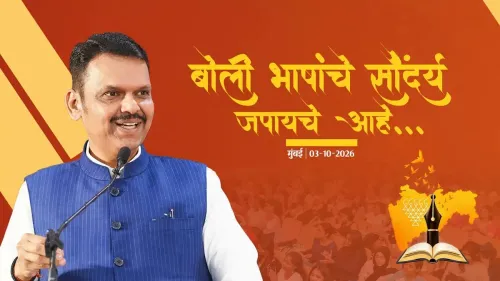
Maharashtra CM Devendra Fadnavis inaugurated Abhijat Marathi Bhasha Saptah 2026 in Mumbai on 3 October, stressing that use, public presence, and research are the three pillars needed to keep the classical language alive and enriched through the week-long celebration ending 10 October.
Key Takeaways
Abhijat Marathi Bhasha Saptah 2026 was inaugurated by CM Devendra Fadnavis in Mumbai on 3 October 2026 .
The week-long celebration runs from 3 to 10 October 2026 .
CM Fadnavis identified use, prevalence, and research as the three essentials for keeping Marathi alive and enriched.
The event marks Marathi's recognition as a Classical Language , a status that unlocks central government grants and institutional support.
The programme brings together writers, linguists, educators, and cultural bodies across Mumbai .
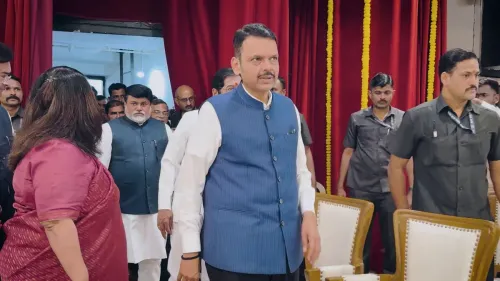
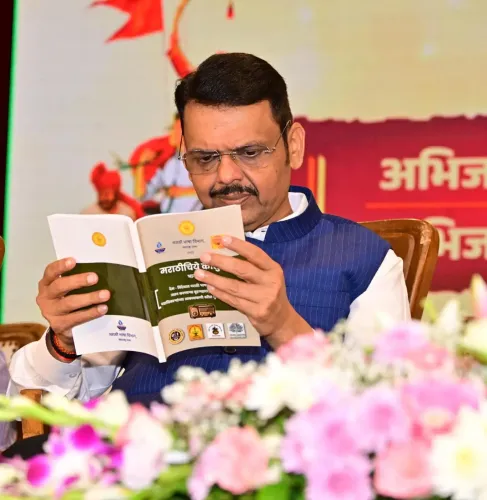
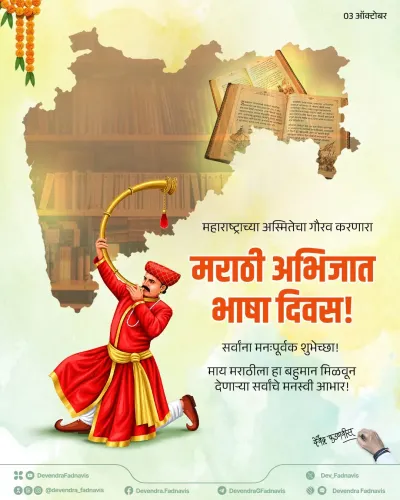
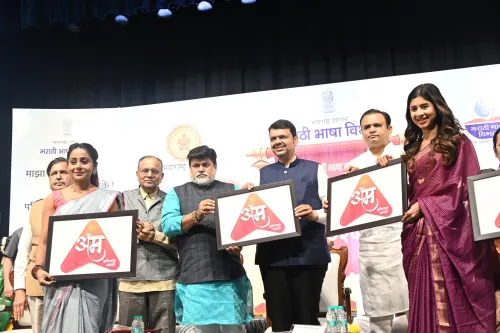
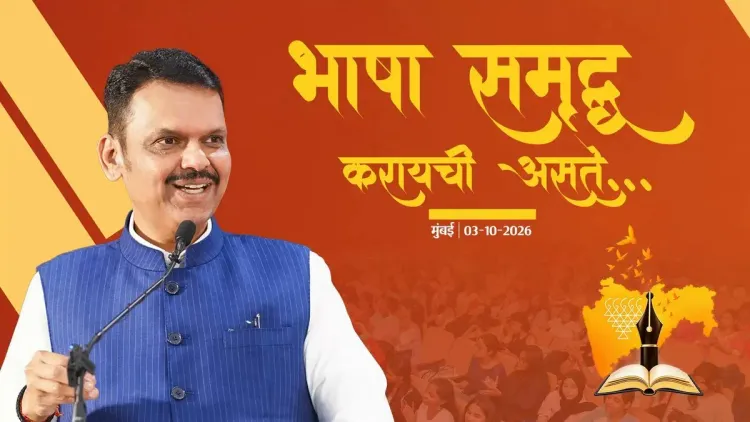
A language lives only as long as its speakers keep it breathing — and on Saturday, 3 October 2026, Maharashtra Chief Minister Devendra Fadnavis made that point the centrepiece of his address at the inauguration of Abhijat Marathi Bhasha Saptah 2026 (Classical Marathi Language Week) in Mumbai, a week-long celebration running from 3 to 10 October.
Speaking at the event, CM Fadnavis stated — 'भाषा जिवंत आणि समृद्ध ठेवण्यासाठी तिचा वापर, वावर आणि संशोधन महत्त्वाचे आहे' — ('For a language to remain alive and enriched, its use, prevalence, and research are essential'). The line is more than ceremonial; it frames the week as a call to action for Marathi speakers, scholars, and institutions alike.
Marathi's classical status and what it means
The Classical Language tag — denoted by the hashtag #ClassicalLanguage and #अभिजातमराठी — carries significant weight. A language accorded classical status by the central government becomes eligible for dedicated research grants, university chairs, and institutional support for documentation and scholarship. Marathi's journey to that recognition was long-fought, making the annual week a moment of both pride and renewed responsibility for Maharashtra.
Use, presence, research — the three pillars CM Fadnavis named
The Chief Minister's formulation — vaapar, vaavar, aani sanshodhan (use, prevalence, and research) — is deliberate. It signals that classical recognition is not a museum trophy. A language thrives when it is spoken in homes and offices, present in public life, and continuously studied by scholars who deepen its literary and historical record. The week-long programme is designed to advance all three fronts simultaneously.
With events spanning seven days across Mumbai, the Saptah is expected to bring together writers, linguists, educators, and cultural organisations to celebrate and strengthen one of India's oldest literary traditions — a tradition with a recorded history stretching back over a thousand years.
A language declared classical does not preserve itself. The real test, as CM Fadnavis put it, is whether its people choose to keep it alive every single day.
Point of View
Prevalence, and research — rather than mere celebration — signals Maharashtra's intent to convert classical-language status into a living policy programme rather than a symbolic honour. The emphasis on research aligns with central government funding mechanisms tied to classical-language recognition, suggesting the state may be positioning itself to draw on those resources more aggressively. For the BJP, championing Marathi's classical identity also reinforces its cultural-nationalist credentials in a state where regional linguistic pride is a potent electoral currency. The real measure of the week's success, however, will be whether the institutions it energises sustain momentum beyond the seven days.
NationPress
3 Oct 2026
Frequently Asked Questions
What is Abhijat Marathi Bhasha Saptah?
Abhijat Marathi Bhasha Saptah is a week-long celebration of the Marathi language's classical status, running from 3 to 10 October 2026, inaugurated by Maharashtra CM Devendra Fadnavis in Mumbai.
When did Marathi get classical language status?
Marathi was granted classical language status by the central government, recognising its ancient literary heritage; the annual Saptah celebrates and builds on that recognition.
What did CM Fadnavis say at the Marathi Language Week inauguration?
CM Fadnavis said that use, prevalence, and research are essential for keeping a language alive and enriched, framing the week as a call to action rather than just a celebration.
What benefits does classical language status give Marathi?
Classical language status makes Marathi eligible for dedicated central government research grants, university chairs, and institutional support for documentation and scholarly work.
Where was Abhijat Marathi Bhasha Saptah 2026 held?
The inauguration was held in Mumbai on 3 October 2026, with events continuing across the city through 10 October.