Polymer currency notes: Govt approves 2 billion banknotes for ₹10, ₹20 field trials
Synopsis
India has quietly approved a 2-billion-note polymer currency pilot — the largest such trial in the country's history. With the RBI targeting full circulation by FY28 and procurement still in early stages, the clock is ticking on a currency overhaul that could reshape how Indians handle everyday cash.
Key Takeaways
The government has approved 1 billion polymer banknotes each in the ₹10 and ₹20 denominations for field trials, totalling 2 billion notes .
Finance Minister Nirmala Sitharaman disclosed the approval in a written reply to the Rajya Sabha on Tuesday .
The proposal was submitted by the RBI under Section 25 of the RBI Act, 1934 , based on its central board's recommendation.
Polymer notes will be issued alongside existing paper-based banknotes, not as a replacement.
RBI Governor Sanjay Malhotra has indicated the central bank is targeting polymer note circulation by FY28 .
The procurement process is at an initial stage ; timeline and expenditure are yet to be determined.
The Indian government has approved a proposal to introduce 1 billion polymer banknotes each in the ₹10 and ₹20 denominations for field trials, Finance Minister Nirmala Sitharaman informed Parliament on Tuesday. The move, disclosed through a written reply to the Rajya Sabha, marks a significant step toward modernising India's currency infrastructure.
How the Proposal Reached the Government
The Reserve Bank of India (RBI), acting on the recommendation of its central board, submitted the proposal to the government under Section 25 of the RBI Act, 1934. Sitharaman confirmed that the proposal has since received government approval.
'The proposal has been approved by the government. As per the RBI, these polymer banknotes are proposed to be issued along with paper substrate-based banknotes,' the minister stated in her written reply.
What the Field Trials Involve
The approved plan envisages the simultaneous circulation of polymer notes alongside existing paper-based currency, rather than a wholesale replacement. If the field trials prove successful, the proposal also provides for regular issuance of polymer banknotes in the two denominations on an ongoing basis.
Sitharaman noted that the procurement process is currently at an initial stage. As a result, neither the timeline for introduction nor the total expenditure involved can be determined at this point.
What the RBI Governor Said
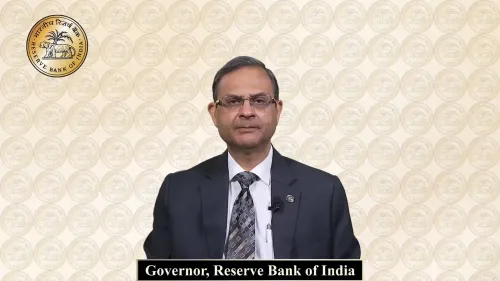
Earlier this month, RBI Governor Sanjay Malhotra indicated at the post-Monetary Policy Committee (MPC) media briefing that the central bank is targeting the launch of polymer currency notes at the beginning of the next financial year. 'There is still a pilot going on for polymer notes,' Malhotra said. 'We will test the currency before bringing it to the market,' he added.
Malhotra also confirmed that the RBI is targeting wider circulation of polymer notes by FY28, and that the central bank will evaluate field trial results before taking any final decision on broader rollout.
Why Polymer Notes and Why Now
Polymer banknotes are widely regarded as more durable, harder to counterfeit, and cleaner than traditional paper currency. Several countries — including Australia, the United Kingdom, and Canada — have already transitioned to polymer substrates for some or all of their denominations. India's move follows years of internal deliberation within the RBI and aligns with broader efforts to reduce the cost and frequency of currency replacement.
The ₹10 and ₹20 denominations were likely chosen for the trial given their high circulation volumes and relatively frequent wear-and-tear, making them ideal candidates to assess durability gains in real-world conditions.
What Happens Next
With government approval secured, the RBI's next steps involve completing the procurement process and initiating the field distribution of the 2 billion trial notes. A formal timeline is expected once procurement advances. All eyes will be on the trial outcomes, which will determine whether India joins the growing list of nations that have made polymer currency a permanent feature of their monetary systems.
Point of View
But the devil is in the procurement. The RBI has been deliberating on polymer notes for years, and the fact that the process is still at an 'initial stage' even after government approval signals the familiar gap between policy sanction and operational readiness. The choice of ₹10 and ₹20 is strategically sound — high-churn denominations that will stress-test durability quickly — but a FY28 target looks optimistic if sourcing hasn't begun in earnest. The bigger question mainstream coverage is missing: will India manufacture these notes domestically or import them, and what does that mean for the cost calculus that polymer advocates have long promised?
NationPress
11 Aug 2026
Frequently Asked Questions
What are polymer banknotes and how are they different from regular currency?
Polymer banknotes are made from a thin, flexible plastic film rather than traditional cotton-paper substrate. They are more durable, resistant to moisture and dirt, harder to counterfeit, and generally last longer than paper notes, reducing the frequency and cost of replacement.
Which denominations will be used in India's polymer currency field trials?
The field trials will use the ₹10 and ₹20 denominations, with 1 billion notes approved for each, totalling 2 billion polymer banknotes for the pilot programme.
When will polymer notes be available in India?
RBI Governor Sanjay Malhotra has indicated the central bank is targeting circulation of polymer notes by FY28 . However, the procurement process is still at an initial stage, and no firm timeline has been confirmed yet.
Will polymer notes replace paper currency in India?
Not immediately. According to Finance Minister Nirmala Sitharaman, polymer banknotes will be issued alongside existing paper substrate-based banknotes during the field trial phase. A decision on wider or exclusive issuance will depend on the outcome of the trials.
What legal authority governs the introduction of polymer notes in India?
The RBI submitted its proposal to the government under Section 25 of the RBI Act, 1934 , which governs the form and material of banknotes. The government has since approved the proposal, clearing the way for the field trials to proceed.