What is the projected economic growth without the IT sector in 2026?
Synopsis
Bank of Korea's Governor Rhee Chang-yong has projected a 1.4% growth for the South Korean economy in 2026, excluding the IT sector. This forecast highlights growing disparities across sectors, pointing to the necessity for structural reforms amid concerns over currency weakness and inflation.
Key Takeaways
Projected growth of 1.4% without the IT sector in 2026.
IT sector expected to be a driver of growth.
Widening disparities across sectors signal a need for reforms.
Concerns about the weaker won and its impact on inflation.
Call for a comprehensive review of overseas investments' impact.
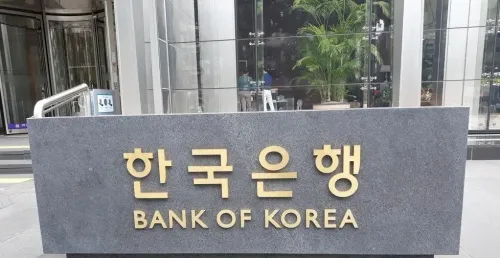
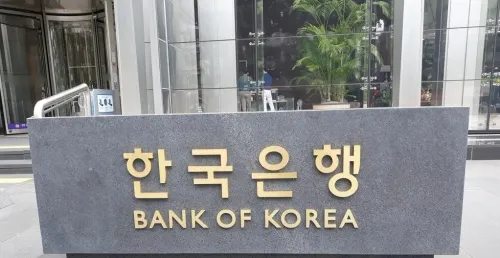
Seoul, Jan 2 (NationPress) Bank of Korea (BOK) Governor Rhee Chang-yong announced on Friday that the nation's economy, excluding the information technology (IT) sector, is anticipated to expand by 1.4 percent this year, while predicting increasing disparities among various sectors.
“The IT sector is likely to drive growth this year due to a global semiconductor upturn. Without its input, economic growth would be confined to 1.4 percent,” Rhee stated during his New Year's address, as reported by Yonhap news agency.
In its recent forecast issued in November, the BOK projected the economy to grow by 1.8 percent in 2026, up from last year’s anticipated 1 percent growth.
Rhee emphasized that the widening gaps in recovery rates among sectors can hardly be deemed a “sustainable or complete” form of economic recovery for the country, underscoring the necessity for ongoing structural reforms.
Regarding the foreign exchange market, Rhee remarked that the recent level of 1,400 won against the U.S. dollar appears to be significantly misaligned with the fundamentals of the economy.
He cautioned that a weaker won could escalate inflationary pressures and disadvantage domestic companies, potentially exacerbating economic polarization.
Rhee pointed out the growing trend of local investors investing in overseas securities as a key factor contributing to short-term supply-demand imbalances in the foreign exchange market, advocating for a “comprehensive review” of its implications on economic growth and the domestic capital market from a macroeconomic viewpoint, as per the report.
“In the mid to long term, it is essential to enhance the competitiveness of local industries and broaden investment incentives through reforms in capital market institutions to address the vulnerabilities of the local currency,” he concluded.
Point of View
It's essential to recognize that the forecast presented by the Bank of Korea raises significant concerns about the future economic landscape. While the IT sector continues to thrive, the stark contrast in growth across sectors suggests a need for strategic reforms to foster a more balanced economic recovery.
NationPress
4 Oct 2026
Frequently Asked Questions
What is the projected economic growth for South Korea in 2026?
The Bank of Korea projects a growth of 1.4% in 2026, excluding the IT sector, with overall growth expected to be 1.8%.
Why is the IT sector important for economic growth?
The IT sector is anticipated to lead growth this year due to a global semiconductor upturn, significantly influencing overall economic performance.
What are the implications of a weaker won?
A weaker won could lead to increased inflationary pressures and disadvantage domestic companies, deepening economic polarization.
What reforms does Rhee Chang-yong suggest?
Rhee emphasizes the need for structural reforms to enhance the competitiveness of local industries and improve investment incentives.
How is the foreign exchange market affecting the economy?
The trend of local investors investing in overseas securities is causing short-term supply-demand imbalances in the foreign exchange market.