Is NGT Involving NDMA in the Case of Expanding Himalayan Glacial Lakes?
Synopsis
In a critical move, the National Green Tribunal has involved the National Disaster Management Authority in a suo motu case addressing the alarming expansion of Himalayan glacial lakes. This development underscores the urgent need for effective management strategies to mitigate the risks posed to communities and infrastructure downstream.
Key Takeaways
NGT includes NDMA as a respondent in a critical environmental case.
Himalayan glacial lakes have expanded by 10.81% over 13 years.
Urgent measures needed to address risks of GLOFs.
High-risk areas identified in multiple Himalayan states.
Public infrastructure and lives are at risk due to climate change.
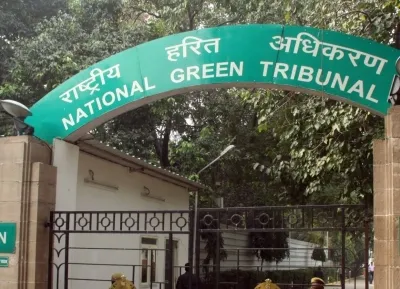
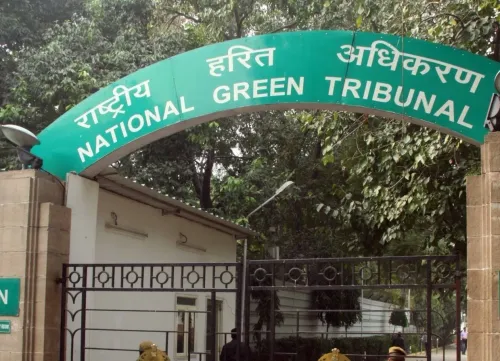
New Delhi, Jan 11 (NationPress) The National Green Tribunal has included the National Disaster Management Authority (NDMA) as an additional respondent in a suo motu case regarding the swift growth of Himalayan glacial lakes and the escalating dangers they present to lives and infrastructure downstream.
A bench led by NGT Chairperson Justice Prakash Shrivastava was reviewing two related original applications registered suo motu (on its own accord) following media reports about the increasing number of glacial lakes in Himachal Pradesh and Tibet, as well as a 10.81 percent growth in Himalayan glacial lakes over the last 13 years.
During the proceedings, counsel representing the Union Ministry of Jal Shakti argued that the NDMA is a crucial participant in the matter, emphasizing that the authority's actions and responsibilities regarding these risks were previously mentioned in a response filed by one of the parties.
Accepting this argument, the bench, which also includes Expert Member Dr A. Senthil Vel, declared: “We include NDMA as an additional respondent,” mandating it to submit a reply affidavit along with the measures implemented to date and recommendations for addressing the threats posed by glacial lakes nationwide.
The green tribunal instructed its registry to notify the NDMA and scheduled the next hearing for April 10.
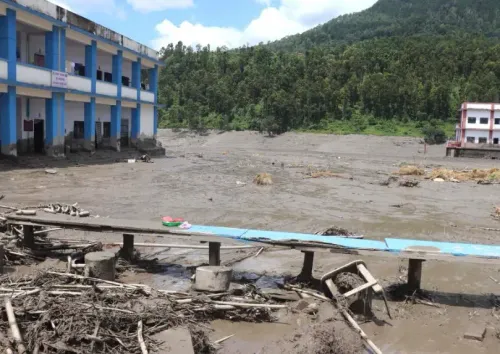
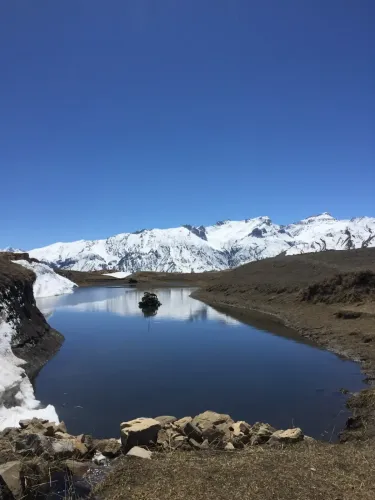
This suo motu case stems from reports concerning climate change-driven glacier retreat, which has resulted in the formation and rapid growth of glacial lakes throughout the Himalayan region, significantly elevating the risk of glacial lake outburst floods (GLOFs).
Such events can trigger sudden and devastating flooding, endangering downstream communities, roadways, hydropower projects, and other essential infrastructure.
Previously, the NGT noted that a study conducted by the Central Water Commission (CWC) indicated a 10.81 percent increase in the surface area of Himalayan glacial lakes from 2011 to 2024, with India experiencing an even more pronounced rise of approximately 33.7 percent during the same timeframe.
The NGT observed that several lakes had seen size increases exceeding 40 percent, categorizing them as high-risk for potential GLOF events, especially in regions such as Ladakh, Himachal Pradesh, Uttarakhand, Sikkim, and Arunachal Pradesh. The tribunal underscored the urgent need for enhanced monitoring, early warning systems, and improved flood management strategies.
In a subsequent session, the green tribunal broadened the scope of the case by involving multiple expert organizations, including the National Institute of Hydrology and the Union Ministry of Jal Shakti, and reviewed data presented by the CWC regarding trend analysis, risk indexing, and downstream vulnerabilities related to glacial lakes.
Point of View
It's evident that the involvement of the NDMA in addressing the rapid expansion of Himalayan glacial lakes reflects a proactive approach to disaster management. The growing evidence of climate change impacts demands our attention and immediate action. The NGT's steps are not just timely but essential for protecting vulnerable regions and populations across the nation.
NationPress
23 Sept 2026
Frequently Asked Questions
What is the main concern regarding Himalayan glacial lakes?
The primary concern is their rapid expansion, which increases the risk of glacial lake outburst floods (GLOFs), posing significant threats to lives and infrastructure downstream.
Why has the NGT involved the NDMA?
The NGT has included the NDMA as it plays a crucial role in disaster management and is essential for addressing the risks associated with expanding glacial lakes.
What percentage increase has been observed in glacial lakes?
A study indicated a 10.81 percent increase in the surface area of Himalayan glacial lakes over the past 13 years, with a sharper increase in India.
What measures are being discussed to mitigate risks?
The NGT has directed the NDMA to outline measures already taken and suggestions for addressing the threats posed by glacial lakes.
What regions are most at risk?
Regions such as Ladakh, Himachal Pradesh, Uttarakhand, Sikkim, and Arunachal Pradesh are identified as high-risk areas for potential GLOF events.