NGT Orders MCD to Create Timely Plan for Ghazipur Landfill Management
Synopsis
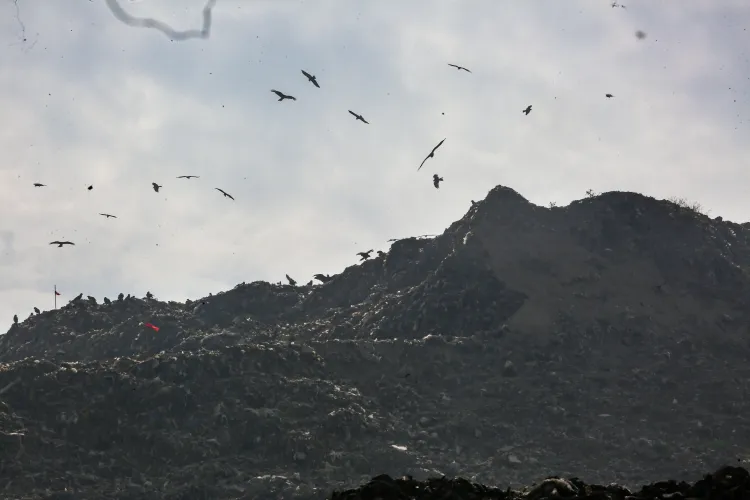
The National Green Tribunal has instructed the Municipal Corporation of Delhi to devise a time-sensitive strategy for addressing legacy waste and daily waste management at the Ghazipur landfill. This comes in response to ongoing environmental concerns and fire incidents at the site, emphasizing the urgency for effective waste management.
Key Takeaways
NGT's mandate: MCD must submit a timely action plan.
Environmental concerns: Ongoing fires and pollution at Ghazipur landfill.
Health impacts: Serious implications for public health.
Inspection report: Highlights critical management failures.
Next hearing: Scheduled for July 6 to review MCD's compliance.
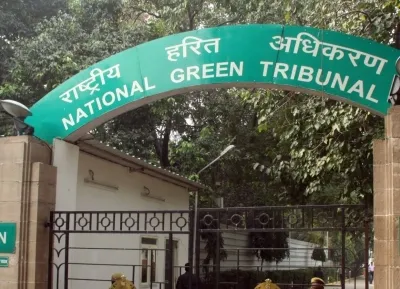
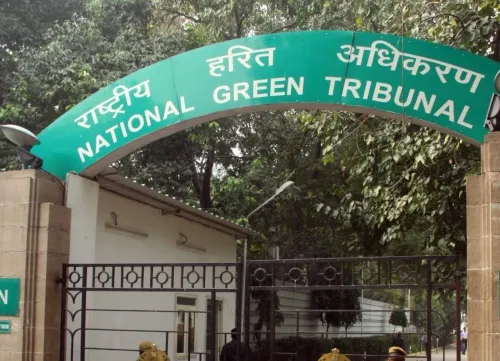
New Delhi, April 9 (NationPress) - The National Green Tribunal (NGT) has mandated the Municipal Corporation of Delhi (MCD) to present a time-sensitive action plan focused on eliminating legacy waste and effectively managing daily waste at the Ghazipur landfill site.
A bench consisting of Chairperson Justice Prakash Shrivastava and Expert Member Dr. Afroz Ahmad has provided the MCD with a four-week timeframe to review the submissions made by the Court Commissioner regarding its status report.
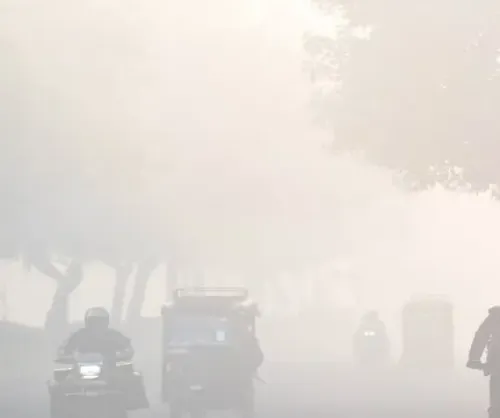
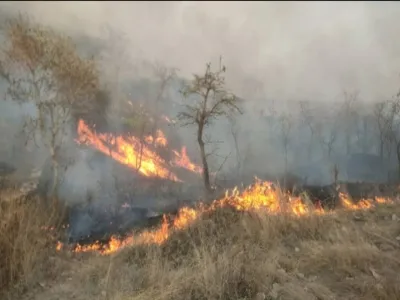
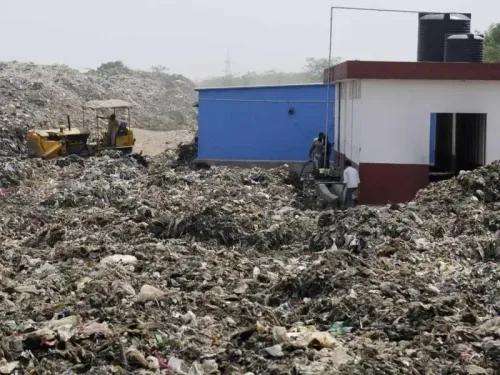
This directive was issued in a suo motu case initiated following a media report entitled "Major fire erupts at Delhi’s Ghazipur landfill site, smoke engulfs region," which highlighted ongoing fire incidents and significant environmental issues at the site.
The tribunal stated, "The MCD is also instructed to submit a time-bound action plan for addressing the waste accumulated at the Ghazipur landfill site and for managing the daily waste entering the landfill." The next hearing is scheduled for July 6.
The NGT has been overseeing the challenges of solid waste management at the Ghazipur landfill since April 2024 when it took suo motu cognizance of a substantial fire incident that resulted in smoke engulfing nearby areas, raising serious public health and environmental concerns.
Earlier, in March 2025, the NGT appointed an advocate commissioner to assess the situation on the ground after uncovering discrepancies between reports submitted by the MCD and the Central Pollution Control Board (CPCB).
The Court Commissioner’s inspection report highlighted numerous critical issues, including the landfill’s height surpassing allowable limits, the lack of boundary walls causing waste to spill into adjacent drains, and inadequate leachate management, leading to contamination of drain water flowing into the Yamuna.
Recognizing these shortcomings, the tribunal previously ordered the MCD to provide a feasible and time-sensitive plan for waste processing, biomining of legacy waste, and measures to prevent fire incidents and environmental hazards.
Later, in October 2025, the NGT requested information concerning the operation of waste-to-energy plants and the amount of electricity produced, while continuing to monitor compliance by the civic authorities.
Point of View
This directive from the NGT underscores the urgent need for responsible waste management practices in Delhi. The ongoing issues at the Ghazipur landfill not only pose environmental risks but also impact public health. It is crucial that the MCD acts decisively to address these concerns and implement a sustainable waste management strategy.
NationPress
14 Oct 2026
Frequently Asked Questions
What is the NGT's directive to the MCD?
The NGT has instructed the MCD to submit a time-bound action plan for clearing legacy waste and managing daily waste at the Ghazipur landfill.
Why is the NGT monitoring the Ghazipur landfill?
The NGT is monitoring the Ghazipur landfill due to serious environmental concerns and recurring fire incidents that affect public health.
What issues were highlighted in the Court Commissioner's report?
The report flagged issues such as excessive landfill height, lack of boundary walls, and poor leachate management leading to contamination of nearby water sources.
What is the significance of the July 6 hearing?
The July 6 hearing will assess the MCD's compliance with the NGT's directive and review the progress of the action plan.
How does waste management in Ghazipur affect the community?
Ineffective waste management at the Ghazipur landfill can lead to environmental degradation, health risks, and safety hazards for nearby residents.