Punjab busts ₹15.56 crore GST fraud; Ludhiana firm director arrested
Synopsis
Punjab's tax enforcement unit used FASTag toll data and e-way bill analysis to crack a ₹15.56 crore GST fraud — exposing 407 ghost shipments and a novel debit-note scam. The Ludhiana firm director's arrest signals a sharper, data-driven approach to busting fake ITC networks.
Key Takeaways
Paramjeet Singh , Director of API Plastic Recyclers Private Ltd , Ludhiana , was arrested on 8 May 2025 for a ₹15.56 crore GST fraud.
Bogus transactions totalling ₹85.4 crore were used to wrongfully claim fake Input Tax Credit.
Cross-referencing of e-way bills and FASTag data exposed 407 suspicious vehicle movements linked to fake ITC of over ₹2.65 crore .
Fraudulent debit notes — where taxable value and tax amount were shown as identical — generated an additional ₹5.79 crore in fake ITC.
The accused was arrested under Sections 69 and 132(1)(c) of the PGST Act; the offence is non-bailable and carries up to five years imprisonment.
The total fraud figure is expected to rise as the investigation is still in progress.
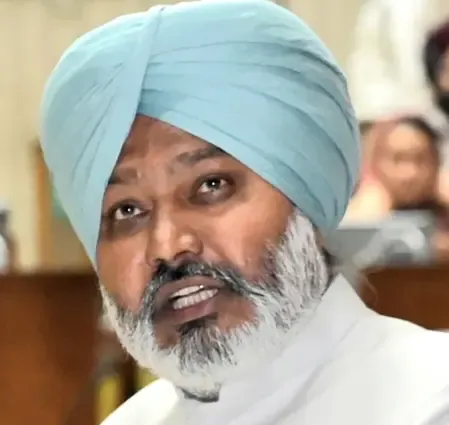
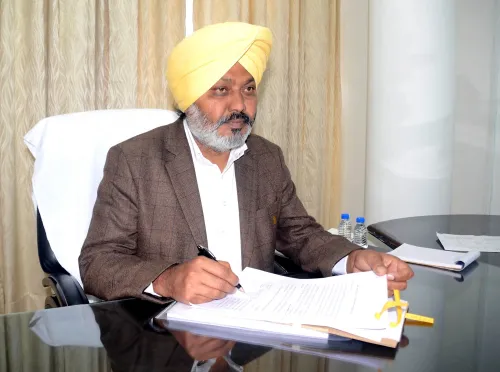
Punjab's Intelligence and Preventive Unit has dismantled an organised fake billing network with the arrest of Paramjeet Singh, Director of Ludhiana-based API Plastic Recyclers Private Ltd, for orchestrating a ₹15.56 crore Goods and Services Tax (GST) fraud involving bogus transactions worth ₹85.4 crore. Finance Minister and Excise and Taxation Minister Harpal Cheema announced the development on Friday, 8 May, adding that the total fraud figure is likely to rise as the investigation continues.
How the Fraud Was Executed
According to the minister, the Ludhiana-based firm systematically availed fake Input Tax Credit (ITC) on the basis of bogus invoices issued by non-existent and fraudulent firms spread across multiple states — entirely without the actual receipt of any goods. Investigators found that many of the supplier firms involved had already been cancelled suo moto, suspended, or declared non-functional by GST authorities.
A particularly novel modus operandi involved fraudulent debit notes through which additional fake ITC amounting to approximately ₹5.79 crore was generated. Cheema noted that these debit notes carried a glaring irregularity: the taxable value and tax amount were shown as identical — a situation that is impossible under GST law and, according to investigators, clearly establishes deliberate fabrication of records.
E-Way Bills and FASTag Data Expose Ghost Shipments
Investigators deployed a data-driven approach, cross-referencing e-way bills with FASTag toll records to verify actual vehicle movement. The analysis conclusively established that vehicles listed in transport documents were found at locations entirely inconsistent with the declared movement of goods — proving, according to the minister, that no actual transportation had taken place.
A total of 407 highly suspicious vehicle movements were identified, linked to fake ITC of more than ₹2.65 crore. Additionally, during search proceedings conducted under Section 67 of the PGST/CGST Act, blank goods receipt books belonging to various transporters were recovered from the accused's premises, indicating the systematic fabrication of transport documents to create a false trail.
Arrest and Legal Provisions
Paramjeet Singh was arrested under Sections 69 and 132(1)(c) of the Punjab Goods and Services Tax Act, 2017. Since the tax evasion amount vastly exceeds the ₹5 crore threshold, the offence is classified as cognisable and non-bailable, punishable with imprisonment of up to five years along with a fine.
Broader Crackdown Context
This bust is part of a wider enforcement push by the Punjab government against GST fraud networks that exploit fake ITC claims to siphon public revenue. The use of FASTag data as an investigative tool marks a notable evolution in how tax authorities are now deploying digital infrastructure to detect ghost transactions — a method likely to be replicated in future probes. The investigation remains ongoing, and the total fraud quantum is expected to increase as more transactions are scrutinised.
Point of View
A mathematical impossibility under GST — suggests the fraudsters grew complacent, betting that automated systems would not flag the anomaly. That complacency was their undoing. What this case also reveals is how fake ITC networks have evolved into multi-state operations using shell firms as rotating suppliers, making single-state enforcement inherently limited. A coordinated national-level data-sharing mechanism between GST authorities remains the missing piece.
NationPress
24 Sept 2026
Frequently Asked Questions
What is the Punjab GST fraud case about?
Punjab's Intelligence and Preventive Unit arrested Paramjeet Singh, Director of API Plastic Recyclers Private Ltd in Ludhiana, for orchestrating a ₹15.56 crore GST fraud through fake Input Tax Credit claims on bogus transactions worth ₹85.4 crore. The fraud involved fictitious invoices from non-existent firms and fabricated transport documents.
How did investigators detect the fake transactions?
Investigators cross-referenced e-way bills with FASTag toll data and found that vehicles listed in transport documents were at locations inconsistent with declared goods movement, proving no actual transportation occurred. A total of 407 suspicious vehicle movements were identified, linked to fake ITC of more than ₹2.65 crore.
What was the debit-note fraud in the Punjab GST case?
The accused generated fraudulent debit notes in which the taxable value and tax amount were shown as identical — an impossibility under GST law. This mechanism was used to generate an additional approximately ₹5.79 crore in fake Input Tax Credit.
What charges has Paramjeet Singh been arrested under?
He was arrested under Sections 69 and 132(1)(c) of the Punjab Goods and Services Tax Act, 2017. Since the evasion exceeds ₹5 crore, the offence is cognisable and non-bailable, carrying a maximum sentence of five years imprisonment along with a fine.
Is the investigation complete?
No. Finance Minister Harpal Cheema stated that the total fraud detected so far stands at ₹15.56 crore but is likely to increase as the investigation is still in progress. Further transactions and supplier firms are being examined.